.png.webp)
Introduction
The selection of the appropriate jewelry is a strategic move, be it an individual who is updating his or her collection or a retailer who is updating his or her collection to meet the market demand. The decision between titanium jewelry and stainless steel jewelry is not just a matter of aesthetics, but it is also a matter of determining the level of corrosion resistance, cost-effectiveness, and satisfaction of the end-user. To the wearer, an inappropriate choice of material may lead to irritation of the skin; to the merchant, it may lead to loss of reputation and money. This discussion uses our industrial manufacturing experience to break down the technical specifications and human body interaction of the two metals. We want to assist you in finding the asset that really passes the test of time, which corresponds to the active lifestyles and the rigorous quality requirements.
Quick Overview: Titanium vs Stainless Steel Jewelry
Before analyzing the technical specifications, it is necessary to establish precise definitions for these materials in the context of jewelry manufacturing.
What Is Titanium Jewelry?
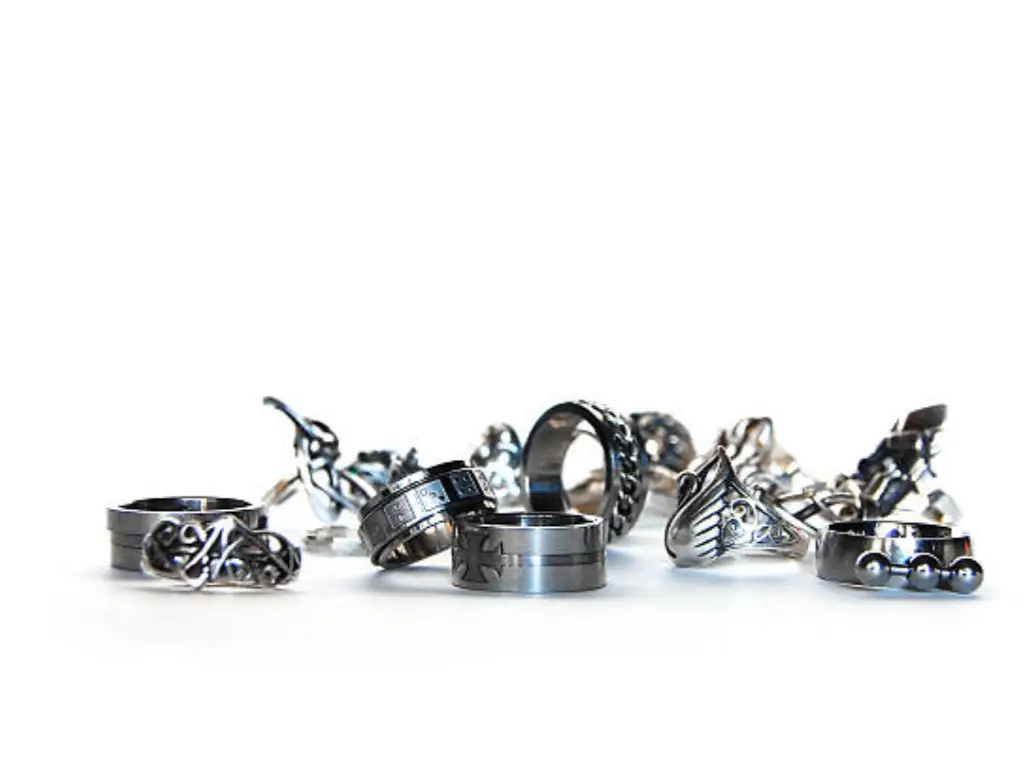
Titanium is a chemical element (Ti) that is known to be incredibly strong and low-density. It is most often used in the jewelry industry in Grade 1 to Grade 4 (commercially pure) or Grade 5 (alloy). It is classified as a hypoallergenic metal, i.e. it is practically inert and it is unlikely to cause any reaction to the body.
Titanium is mostly used in body piercing and wedding rings because of its special characteristics. It does not rust and the strength to weight ratio is better than nearly all other metals. This hardness, however, may complicate resizing or altering once it is made.
What Is Stainless Steel Jewelry?
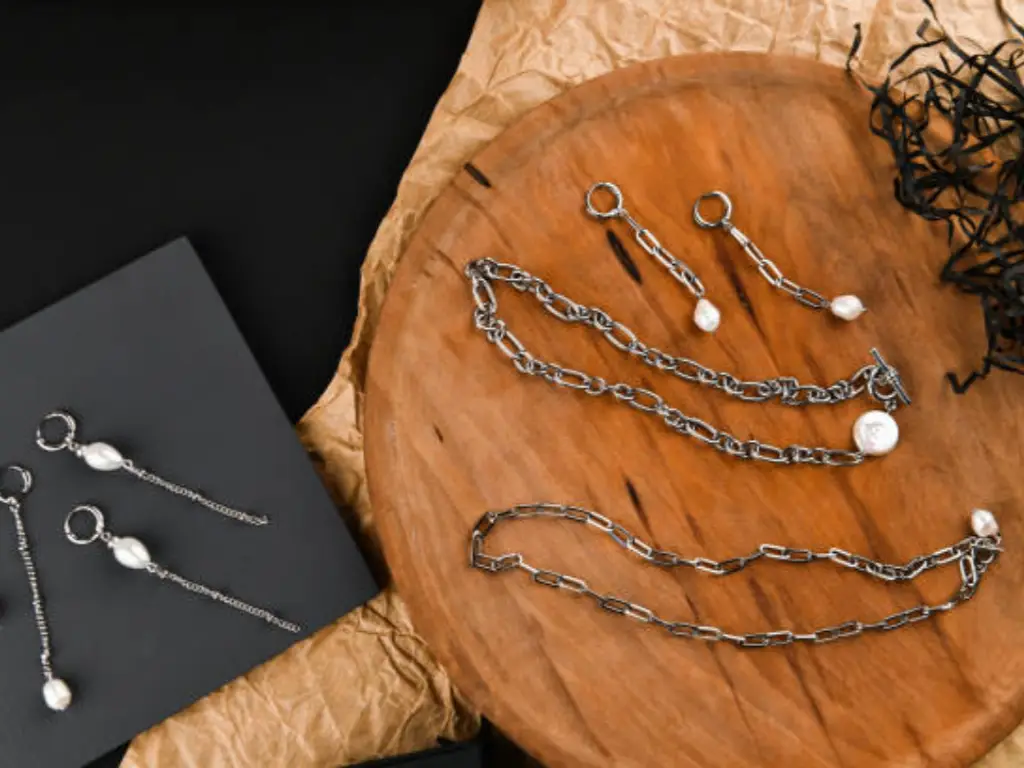
Stainless steel is a metal alloy that is mainly composed of iron, carbon and chromium. The chromium creates a passive layer of oxide on the surface, which inhibits corrosion of the surface. The kind of stainless steel used is very important in the jewelry industry. The most common option is 316L stainless steel (commonly known as surgical steel).
It has been adopted as a daily wear because of its strength and beauty. It resembles the appearance of white gold or platinum at a fraction of the price. Stainless steel jewellery is heavier and more solid than titanium, which many users attribute higher value to.
Titanium vs Stainless Steel Jewelry: Side-by-Side Comparison
To facilitate an objective assessment, the following table contrasts the key technical and economic metrics of both materials.
| Primary Concern | Titanium Jewelry | Stainless Steel Jewelry (316L) | Verdict |
| Severe Allergies | Best Choice. Completely nickel-free and biocompatible. Ideal for hypersensitive skin. | Good Choice. Hypoallergenic for 90%+ of people, but contains trace amounts of bound nickel. | Titanium is the safest bet for extreme sensitivity. |
| Budget & Value | Higher price point due to extraction and processing difficulty. | Most cost-effective. High perceived value with a lower manufacturing cost. | Stainless Steel offers the best value for money. |
| Weight & Comfort | Ultra-lightweight. You might forget you are wearing it. | Heavier, “solid” feel. Comparable to the weight of gold or platinum. | Titanium for comfort; Stainless Steel for a luxury feel. |
| Visual Style | Darker, gunmetal grey. Can be anodized into colors (blue, purple, etc.). | Bright, white luster. Closely mimics the look of white gold or platinum. | Stainless Steel for a classic, high-shine look. |
| Daily Durability | Extremely strong (won’t bend), but surface can scuff over time. | Harder surface. Better scratch resistance for everyday wear. | Stainless Steel stays shiny longer under rough use. |
| Fresh Piercings | Highly recommended by professionals (APP) for initial healing. | Best reserved for fully healed piercings to avoid any potential irritation. | Titanium is essential for new piercings. |
| Maintenance | Low maintenance. Corrosion-proof (swim/sweat proof). | Low maintenance. Excellent corrosion resistance; just wipe clean. | Tie. Both are excellent for active lifestyles. |
Comfort & Skin Sensitivity
Titanium(The Medical-Grade Standard of Hypersensitivity): In case of sensitive ears or new body piercings, safety is not a bargain. Hypersensitive skin is the ultimate solution to titanium jewelry. Being a chemically inert substance that has practically no nickel, it is absolutely biocompatible, which practically excludes the possibility of metal allergies. This is the reason why the Association of Professional Piercers establishes the standard of implant-grade titanium as the standard of initial healing. It gives the peace of mind against contact dermatitis and can be worn 24/7 even in the shower. Titanium is the better, risk-free option, if you are more concerned with medical-grade safety or have a known history of severe reactions.
Stainless Steel (The Reliable Standard of Everyday Wear): To the large majority of the population, stainless steel jewelry (grade 316L) is the best compromise between safety and utility. Although this stainless steel alloy has traces of nickel, the manufacturing of high quality binds these molecules tightly and the release rate is much lower than the threshold of an allergic reaction. It is a good hypoallergenic metal to wear on a daily basis and it does not corrode and it has a solid feel. Nevertheless, the grade does count: although inexpensive steel can be irritating, 316L that has been produced with high precision is a great option and a favorite among those who do not have a diagnosed, severe skin sensitivity.
Durability & Long-Term Wear
Which Lasts Longer?
Jewelry is a long-term asset. Although both are better than gold, titanium jewelry is better in terms of structural integrity; its tensile strength is higher and therefore it is almost impossible to bend or break. Nevertheless, it tends to form a matte patina with time. Stainless steel (316L) is also very resilient on the surface, its surface finish and high polish last much longer against daily wear. Select Titanium to be indestructible, but select Stainless Steel for lasting shine and easier maintenance.
Does Titanium or Stainless Steel Fade or Tarnish?
Neither of the metals uses a temporary coating to give it its silver color, and thus they do not fade in the traditional sense.
- Titanium: It will never rust. It cannot be permeated by seawater and sweat.
- Stainless Steel: It has a high level of corrosion resistance. Although technically low-grade steel can rust, high-quality 316L, which is used in body jewelry and fashion items, will not tarnish in regular conditions.
Both are low maintenance. They can be restored to their usual state with a mere wipe using a cloth.
Appearance & Style
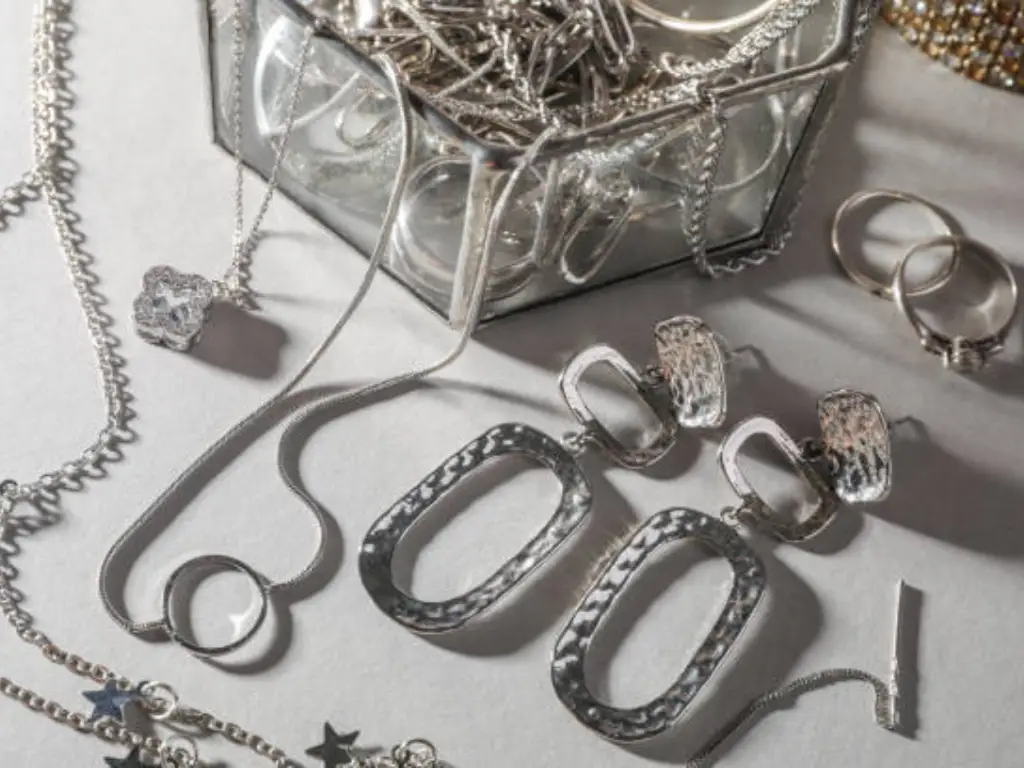
Aesthetically, the decision is a compromise between visual completion and physicality. Stainless steel jewelry provides a bright, mirror-like luster that is highly reminiscent of platinum, and provides a modern appearance and heavy, solid feel, which consumers tend to associate with high value, making it a favorite among men jewelry and heavy chains. On the other hand, titanium jewelry is naturally darker and gunmetal grey. Its main benefit is that it is low density, which means that it can be volumetrically statement-level without being heavy, and it can be anodized to a wide range of colors without being vulnerable to plating.
Price vs Value
Economic analysis is the comparison of the initial capital and utility that is gained over the lifetime of the product. Titanium jewelry is highly priced in the market, and this is simply because of the hard work involved in extraction and processing and not because it has a superior visual appeal. The stainless steel is the great choice to the low-end consumer or the retailer who desires to maximize inventory depth. It is as durable as titanium, only at a much lower entry point, allowing one to buy a large variety of collection or a good piece of jewelry without the expensive price tag. Though the two metals cannot be degraded, hence, the cost per wear of both metals does not matter in the long run, stainless steel is more practical in the short run, and you can use your purchasing power to the maximum and create a variety of designs.
This cost efficiency is a strategic advantage to the entrepreneurs. The entry barriers are significantly lower with a stainless steel line compared to other metals, although it is important to find a reliable source of quality. Azone Jewelry supports this lean business model by providing flexible MOQs of only 50-100 pieces, supported by an industrial-grade compliance framework. We are certified by BSCI, SMETA and GRS, which guarantees ethical production. More importantly, each batch is thoroughly tested, such as REACH testing (to ensure safety of nickel/lead), salt spray, artificial sweat, and tensile strength, which ensures that your brand is safe and durable worldwide with minimum capital investment.
Best Choice by User Type
To simplify the decision matrix, we can categorize the best choice based on specific user profiles and requirements.
| If Your Priority Is… | Recommended Metal | Why? (Key Benefit) |
| Severe Skin Sensitivity | Titanium | Best for diagnosed nickel allergies or extremely sensitive skin due to absolute biocompatibility. |
| Fresh Body Piercings | Titanium | The safest option for healing wounds; chemically inert and will not trigger an immune response. |
| Weight & Comfort | Titanium | Ultra-lightweight and “imperceptible” on the body; ideal for those who dislike heavy jewelry. |
| Harsh Environments | Titanium | Perfect for swimming instructors or those working with chemicals; immune to saltwater corrosion. |
| “White Gold” Aesthetic | Stainless Steel | Offers a bright, reflective luster and a solid feel that mimics platinum or white gold. |
| Value & Budget | Stainless Steel | The highest value-to-cost ratio; allows for a larger collection or better margins for fashion jewelry. |
| Active Lifestyle | Stainless Steel | Superior scratch resistance; harder surface handles daily knocks and bumps better than titanium. |
| Retail / Business Sourcing | Stainless Steel | The popular choice for the mass market. Ensures high turnover due to its balance of durability, style, and affordability. |
Once you’ve chosen stainless steel for its durability, the next decision is chain type — our engineering guide compares tensile strength across 10 popular chain styles.
For brands and retailers, Azone Jewelry provides OEM/ODM stainless steel jewelry manufacturing with flexible 50-piece MOQ and BSCI/SMETA-certified production.
Common Myths About Titanium and Stainless Steel Jewelry
Stainless Steel = Low Quality?
This is factually incorrect. In the context of industrial performance, 316L stainless steel outperforms silver and gold in tensile strength and durability. It is a modern, high-performance material, not a “cheap” substitute.
Titanium Is Just Marketing?
No. The hypoallergenicity is chemically testable. Titanium is functionally better in certain medical and physiological requirements.
Both Are the Same Material?
They are distinct elements. Titanium is a pure element (or mixed with aluminum/vanadium), whereas steel is an iron alloy. Their thermal conductivity and density vary greatly.
Conclusion
No one can be called a winner, only the best material to be used under certain constraints. Titanium jewelry is the great choice in case you are concerned about absolute biological safety or featherlight comfort. Nevertheless, stainless steel jewelry is the best option to the vast majority of the market. It is a perfect combination of aestheticism, extreme durability, and economic efficiency. It is similar to platinum and has better resistance to real life wear, which makes it the material of everyday wear. Whereas titanium satisfies certain physiological requirements, stainless steel provides the all-purpose, premium appearance that characterizes contemporary style.
Are you willing to modernize your inventory? To brands that want to take advantage of this demand, Azone Jewelry offers stainless steel collections that are engineered to perfection and ensure safety and style. Contact us today to secure a supply chain built on quality and corrosion resistance.
FAQ
Is titanium jewelry superior to stainless steel?
It depends on the metric. Titanium is superior in reducing weight and absolute biocompatibility (allergies). Stainless steel is more scratch resistant, cheaper and gives a bright precious metal appearance.
Does stainless steel jewelry rust?
The 316L stainless steel is of high quality and is highly resistant to corrosion and is not likely to rust in normal conditions. It is based on a layer of chromium oxide to shield the iron.
Can titanium jewelry be used on sensitive skin?
Yes. It is regarded as a hypoallergenic metal. It is biocompatible and does not react with the human body, so it can be used in fresh piercings and in severe metal allergies.
Which one is more suitable to wear on a daily basis?
Stainless steel is also used in everyday wear because it is resistant to scratching and deformation. It is resistant to active lifestyles.
Is stainless steel a good men’s jewelry?
Yes, it is a popular men ring and chain material due to its heavy weight, masculine gunmetal or bright finishes, and the fact that it can withstand rough wear without needing maintenance.
Common Myths About Titanium and Stainless Steel Jewelry
Stainless Steel = Low Quality?
This is factually incorrect. In the context of industrial performance, 316L stainless steel outperforms silver and gold in tensile strength and durability. It is a modern, high-performance material, not a “cheap” substitute.
Titanium Is Just Marketing?
No. The hypoallergenicity is chemically testable. Titanium is functionally better in certain medical and physiological requirements.
Both Are the Same Material?
They are distinct elements. Titanium is a pure element (or mixed with aluminum/vanadium), whereas steel is an iron alloy. Their thermal conductivity and density vary greatly.
Conclusion
No one can be called a winner, only the best material to be used under certain constraints. Titanium jewelry is the great choice in case you are concerned about absolute biological safety or featherlight comfort. Nevertheless, stainless steel jewelry is the best option to the vast majority of the market. It is a perfect combination of aestheticism, extreme durability, and economic efficiency. It is similar to platinum and has better resistance to real life wear, which makes it the material of everyday wear. Whereas titanium satisfies certain physiological requirements, stainless steel provides the all-purpose, premium appearance that characterizes contemporary style.
Are you willing to modernize your inventory? To brands that want to take advantage of this demand, Azone Jewelry offers stainless steel collections that are engineered to perfection and ensure safety and style. Contact us today to secure a supply chain built on quality and corrosion resistance.
FAQ
Is titanium jewelry superior to stainless steel?
It depends on the metric. Titanium is superior in reducing weight and absolute biocompatibility (allergies). Stainless steel is more scratch resistant, cheaper and gives a bright precious metal appearance.
Does stainless steel jewelry rust?
The 316L stainless steel is of high quality and is highly resistant to corrosion and is not likely to rust in normal conditions. It is based on a layer of chromium oxide to shield the iron.
Can titanium jewelry be used on sensitive skin?
Yes. It is regarded as a hypoallergenic metal. It is biocompatible and does not react with the human body, so it can be used in fresh piercings and in severe metal allergies.
Which one is more suitable to wear on a daily basis?
Stainless steel is also used in everyday wear because it is resistant to scratching and deformation. It is resistant to active lifestyles.
Is stainless steel a good men’s jewelry?
Yes, it is a popular men ring and chain material due to its heavy weight, masculine gunmetal or bright finishes, and the fact that it can withstand rough wear without needing maintenance.


 English
  Spanish
  French
  German