.png.webp)
Introduction
The jewelry industry has presented a cruel choice over the decades: spend money on precious metals that require maintenance or buy cheap costume jewelry that will turn your skin green by Tuesday. This balance has been broken by stainless steel jewelry, which has become the logical solution to people who want to have the best durability but without the high price tag. However, whether you are a consumer who wants to wear something every day or a retailer who keeps the inventory, the most important question is how long does stainless steel jewelry last? The solution is not magic, but the science of manufacturing, that is, the quality of the steel and the plating. This guide cuts through the marketing clatter to show the actual life of your jewelry and how to make it to endure the test of time.
The Short Answer: It Depends on the “Finish”
To know the lifespan of stainless steel jewelry, it is necessary to differentiate between the base material and the surface treatment. Stainless steel is not a single material; its durability is all about whether you are purchasing the raw material or a coated type.
To manage expectations, the three key levels of performance are broken down as shown in the following table:
| Finish Type | Estimated Lifespan | Tarnish & Fade Risk | Maintenance Level | Best For |
| Raw 316L (Silver Tone) | Lifetime | Zero Risk (Solid Color) | Low (Occasional Polish) | 24/7 wear, gym, shower, & sensitive skin. |
| PVD Coated (Gold/Color) | 2-5 Years+ | Low (Slow fading over years) | Medium (Avoid harsh chemicals) | Daily fashion, office wear, & gold aesthetics. |
| Traditional Plating | 3-6 Months | High (Peeling & Tarnish) | High (Fragile) | Fast fashion trends & occasional wear only. |
Which One Should You Choose?
The final decision of the correct finish is a compromise between your taste and your intensity of lifestyle. When you need absolute indestructibility to live an active life, whether it be gym or ocean, Raw 316L Stainless Steel is the better investment because it is chemically inert, its chromium content protection is not lost, and it can be polished back to new indefinitely. Nevertheless, where fashion requires the warmth of gold, PVD Coated items can be a logical compromise, giving the prestige of precious metals with a high level of durability to wear every day, whereas Traditional Flash Plating must be avoided by both consumers and retailers because of its rapid deterioration and the fact that it is a disposable material that does not correspond with the quality that users expect.
The Core Technology: PVD vs. Traditional Electroplating
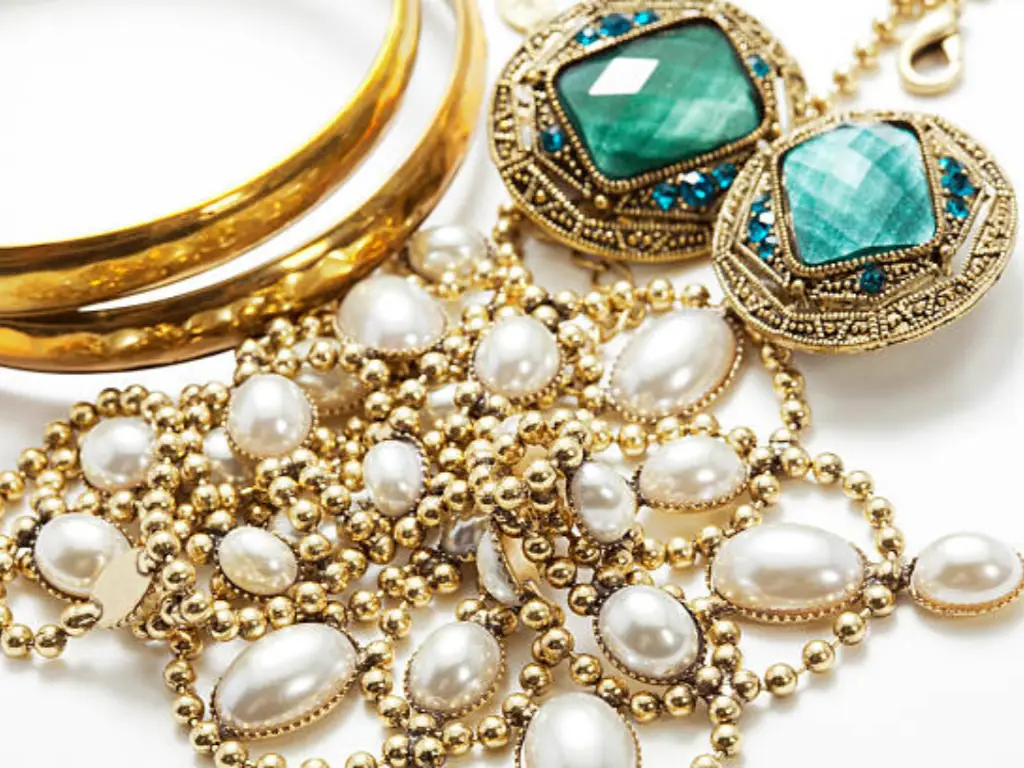
As a consumer, you might be asking yourself why two necklaces of the same material, stainless steel, can be of the same design yet have extremely different prices. This difference is the difference between acquiring a loyal customer and a refund request as a business buyer. The secret is all about coating technology.
The comparison below explains why modern PVD has emerged as the standard of the industry compared to traditional gold plating:
| Feature | Traditional Electroplating | PVD (Physical Vapor Deposition) |
| The Process | Uses electric current to deposit a thin layer on top of the surface. | Vaporizes titanium compounds in a vacuum to bond into the surface lattice. |
| The Metaphor | Like a coat of paint. It sits loosely on the exterior. | Like a tattoo. It becomes an integral part of the metal. |
| Durability | Weak. Susceptible to friction and harsh chemicals. Peels easily. | Exceptional durability. Harder, scratch-resistant, and won’t peel. |
| Lifespan | Short (3-6 Months). Inadequate for constant wear. | Long (Years). The standard for high-quality stainless steel jewelry. |
| Eco-Impact | Produces hazardous chemical waste. | A cleaner, more environmentally friendly process. |
Why is PVD the Superior Choice?
To people who care more about quality, PVD has more benefits than mere durability:
- Hypoallergenic Properties: It is a good sealant of the metal, which significantly decreases the chances of allergic reactions in people with sensitive skin.
- Most Durable: It is much more resistant to the stresses of everyday life than any other coating technique.
- Brand Integrity: For retailers, the purchase of PVD-coated inventory is a statement of quality. It also makes sure that the stainless steel earrings or rings you are selling do not lose their original look even after the sale, which safeguards your brand image.
5 Critical Factors That Shorten Jewelry Lifespan
Even the most durable materials have their limits. Understanding the key factors that degrade jewelry allows users to extend its life and helps sellers manage customer expectations.
Coating Thickness
We use microns to measure plating thickness in the manufacturing world. This is usually the unseen factor that determines the price and quality.
- Flash Plating (<0.1 microns): The fast fashion industry standard. It is colorful and has practically no friction resistance.
- Heavy Coating (0.5 – 1.0+ microns): That is what you want. The heavier the layer, the more material to resist abrasion.
Friction & Abrasion
Any coating is the foe of friction. Each time jewelry is rubbed against the skin, clothing or a desk, microscopic quantities of the finish are lost. This is the reason why stainless steel rings usually wear out easily as compared to necklaces. A ring is always in contact with hard surfaces (door handles, phones, weights), whereas a necklace is relatively undisturbed when in contact with soft skin or fabric.
Chemical Corrosion
Stainless steel is very resistant to corrosion, although the coating is susceptible to certain chemical attacks.
- Chlorine: Chlorine is present in hot tubs and pools and is very aggressive to PVD coating. It has the ability to whiten the color with time.
- Sulfur: Sulfur is a common occurrence in natural hot springs and is able to discolour even the strongest finishes.
- Cleaning Products: Household bleach and abrasive cleaners may strip the finish.
Body pH Levels
It is an interesting biological fact that two individuals can put on the same ring and one will fade away in a year and the other will put it on in three years without any problem. The criminal is body chemistry. People who have very acidic sweat (which is usually affected by diet or genetics) can unwillingly speed up the degradation of the coating. Although stainless steel is hypoallergenic, the acidity may assault the PVD layer in the long run.
Base Metal Quality
Not every steel is created equal. The grade of steel matters.
- 304 Stainless Steel: This is used in kitchenware. It is less expensive and less resistant to chlorides (salt).
- 316L (Surgical Steel): It has molybdenum that significantly enhances salt and corrosion resistance. When the stainless steel base is of low quality, rust may form under the plating, which will either bubble or peel. Always ensure that your jewelry metals are 316L.
How to Avoid Damage: Best Practices for Users
To the final consumer, it does not take much effort to ensure that your jewelry lasts longer, although it does take a few rules to follow.
The “Waterproof” Myth
Stainless steel is usually marketed as waterproof. Warm water will not damage the steel, but water that is loaded with chemicals will damage the coating. PVD stainless steel is waterproof in the shower, but not poolproof. Before swimming in chlorinated water, it is a good idea to take off jewelry.
The “Wait to Wear” Rule
Cosmetics, perfumes and lotions contain alcohol and chemicals used as solvents. A simple rule to observe: put on jewelry last and take off first. Let your perfume dry and put on your necklace. This removes the chances of chemical cocktail lying on the metal throughout the day.
Storage Logic
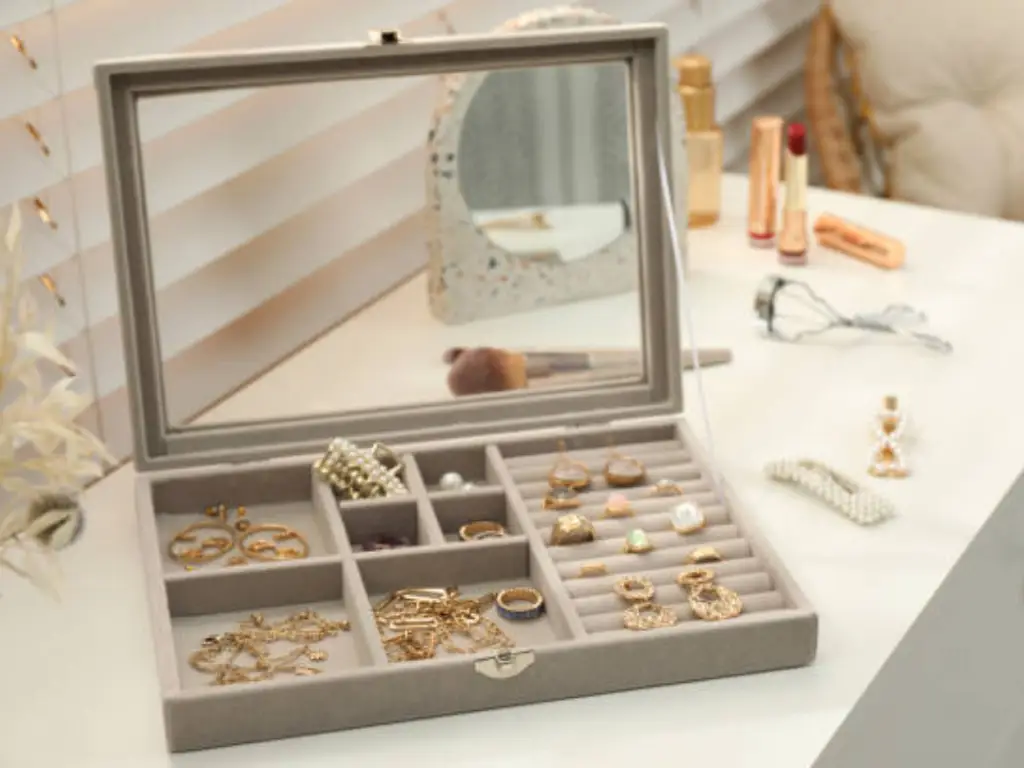
Throwing all your jewelry into a pile in a drawer is a recipe for scratches. Even though steel is harder than sterling silver or softer metals, diamond or sapphire pieces can scratch steel, and steel can scratch gold. Store items individually in a soft pouch or a lined jewelry box. It is also a good idea to keep them in a dry place to avoid the accumulation of moisture.
Maintenance: Bringing the Shine Back
The low maintenance character of stainless steel is one of the reasons why it is a great choice of the modern consumer. It does not need to be polished as frequently as silver.
- Cleaning: You do not have to hire costly cleaners. Warm water and mild soap will do. Wipe the jewelry with a soft cloth or microfiber cloth that has been dipped in the soapy water.
- The Quick Wipe: Once you have worn your jewelry all day, wipe it off with a clean cloth to get the body oils and sweat off. This will avoid the accumulation of dirt that may make it dull.
- Preventing Water Spots: When you wash your jewelry, dry it off as soon as possible. It may be left to dry naturally and this may leave mineral deposits or water spots that spoil the finish.
- Scratch Removal (Raw Steel Only): In the case of a non-plated, silver-tone object, you can remove small scratches with a polishing pad. Never do this, however, on PVD coated objects, which you will polish off.
For Buyers & Sellers: Sourcing High-Quality Stainless Steel
For Consumers: The Quality Checklist
As a personal customer, it is important to go beyond the shiny pictures to make sure that the jewelry is what you expect. Do not accept imprecise descriptions. “316L” is the absolute standard of sensitive skin, avoiding the nickel irritation of the cheaper alloys. Moreover, seek out specifically in the specifications, PVD or Vacuum Plated. When a brand simply writes down gold tone without indicating the grade of steel or the coating process, then be careful. Brands with superior durability wear these specifications as a symbol of pride, so that your purchase will be able to withstand the test of time. However, the metal grade is only half the equation—your choice of chain link structure plays an equally critical role in how long a piece lasts.
For Retailers: Vetting Suppliers & Managing Risk
To brand owners and wholesalers, buying is not only about beauty, but it is about risk management. Using low quality stainless steel jewelry is a silent murderer of brand image. An order of rings that fade after three months or do not pass the compliance test can destroy customer confidence and result in platform bans.
To protect your business against these traps, do not simply request a price list. Strictly impose standards on your factory using the following Inspection Matrix:
| Vetting Category | Critical Tests & Standards to Demand | The Business Risk (If Ignored) |
| Durability & Quality | Artificial Sweat Test, Tape Test (Adhesion), & Salt Spray Test. | High Return Rates: Without data, you are guessing. Fading and peeling lead to bad reviews and lost customers. |
| Safety & Compliance | REACH & ROHS Reports (verifying Nickel release, Lead, and Cadmium levels). | Platform Bans: Non-compliant jewelry can be seized by customs or flagged by platforms like Amazon, destroying your business overnight. |
| Scalability & Ethics | BSCI or SMETA Audits; Verify production capacity (e.g., 500k/month). | Supply Chain Failure: Ethical scandals or capacity bottlenecks can halt your growth just as demand spikes. |
At Azone Jewelry, we act less like a standard stainless steel jewelry manufacturer and more like your brand’s insurance policy. We back our durability claims with hard data: a strict <3% defect rate, rigorous tensile and plating thickness testing, and full SMETA/BSCI/GRS certification. Whether you are testing the waters with a 50-100 piece MOQ or expanding your operations, our production lines adapt to your pace. Don’t gamble on quality; let our data-driven manufacturing secure your reputation. Contact us today to verify our certifications.
Conclusion
It is not by chance that stainless steel is durable. Raw 316L is wearable and the PVD coating is of high quality, so the gold colors last much longer than the conventional plating. Consumers can receive quality luxury at a low markup with the correct materials.
To retailers, quality is a source of trust. Azone Jewelry protects your reputation by manufacturing based on data and complete compliance. Contact us now to create jewelry that combines stunning aesthetics with uncompromising quality.


 English
  Spanish
  French
  German