.png.webp)
Introduction
The ultimate way to acquire a truly unique piece of jewelry is to commission a custom design, whether it is a specialized custom engagement ring, a commemorative pendant, or a complete line of fashion jewelry. To go beyond the ready-made jewelry pieces, one needs to have a clear idea of the custom design process. This final guide provides a comprehensive breakdown of the entire jewelry design process, encompassing the five key steps essential to product design, from initial consultation and sketches to the final product. We will de-mystify the price breakdown, discuss the technical aspect of CAD modeling, and point out how the modern jewelers are incorporating the latest fashion trends to make sure that your custom work is not only a unique statement of individuality but also a modern masterpiece.
Concept to Creation: The 5-Step Design Journey
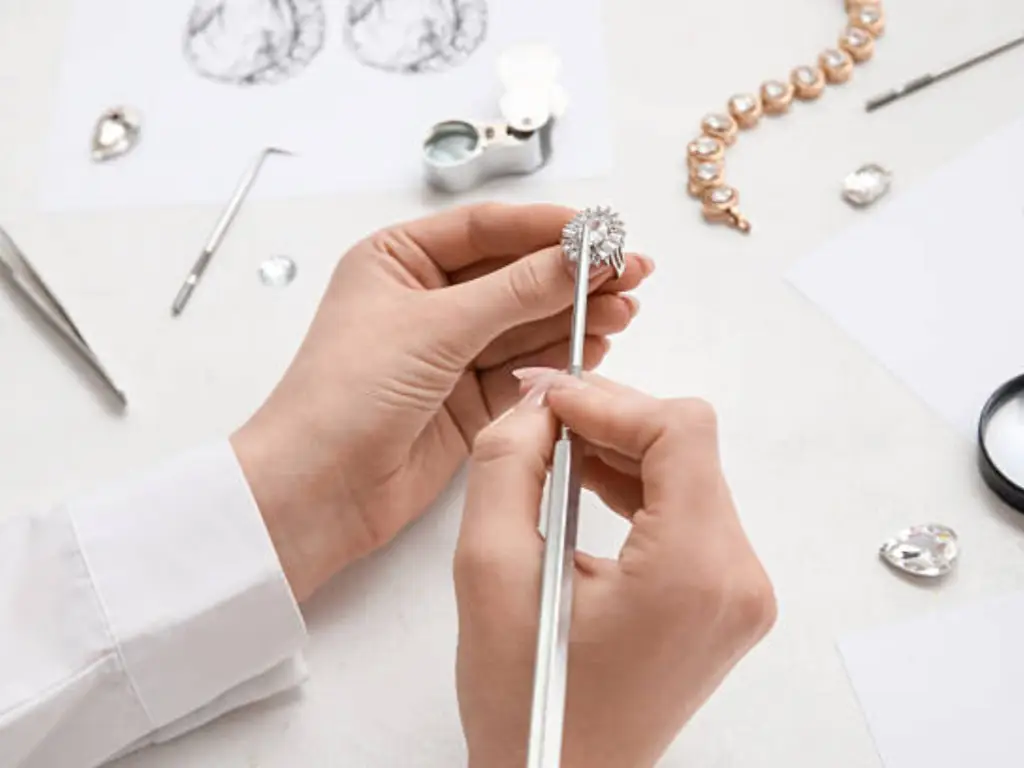
Custom jewelry design is a structured, collaborative process, not a mysterious leap of faith. Understanding this design process is the first step toward realizing the jewelry of your dreams. The designing of a really personalized item is a rational process, which guarantees quality, uniqueness, and ultimate satisfaction to the wearer.
The custom design process is a process that brings a vision of a piece of jewelry into reality. While specifics vary between jewelers and manufacturers, the journey generally adheres to five critical stages:
| Stage | Key Activity | Deliverables / Output | Key Considerations |
| 1. Initial Consultation and Briefing | Defining the overall vision and technical parameters. | Scope definition, Budget outline, Material preferences (e.g., type of metal, gemstones), Style direction (personal style). | Be specific: Provide photos of jewelry or inspiration. Clarity on the desired size and function is critical to prevent rework later. |
| 2. Design and Visualization | Translating the conceptual vision into a precise technical plan. | Initial sketches, Detailed CAD (Computer-Aided Design) models, Photorealistic renderings of the jewelry piece. | Finalize the aesthetic: Review the CAD model carefully. Changes made after this stage drastically increase cost and time. |
| 3. Prototyping and Approval | Creating a physical model for tactile review and structural verification. | Physical wax model or resin print of the custom piece. | Test wearability: Check the model for comfort, size, and proportion in real time. Approve the final structural integrity before casting. |
| 4. Production and Craftsmanship | Fabrication and assembly of the final product. | Raw casting, Stone setting, Polishing, Finishing. | Expertise required: This stage relies on the craftsmanship of the artisan for successful casting and stone setting. |
| 5. Quality Control and Delivery | Final inspection and handover to the client. | The finished piece of custom jewelry, GIA reports (if applicable), Warranty/Care instructions. | Verify details: Rigorous inspection for perfection—check all settings, finishes, and the structural integrity before accepting the final product and proceeding to shipping. |
All the stages of the process are necessary to control aesthetics and guarantee the structural integrity of the final design. Openness at each stage will enable the client to give feedback and ensure that the new jewelry meets all the requirements.
Defining Your Vision: Style, Inspiration, and Briefing
A custom jewelry design depends on the quality of the original brief. The client has to get beyond a general concept and define what he or she wants in terms of functionality, appearance, and feeling. This is especially important with complicated products like custom engagement rings or complex wedding ring sets. The first consultation is when the jewelry designer performs the role of a translator, interpreting inspiration into technical specifications.
Inspirational sources are extensive. They may contain images of jewelry, architectural details, historical eras, or purely abstract ideas. The idea is to give the jewelry designer sufficient background to get the required mood and appearance. The main aspects that should be defined are:
- Use: Is it a daily piece or a masterpiece to be used on particular occasions?
- Form: Are you more of a clean lines, organic, or highly detailed art person?
- Scale: The size and existence of the jewelry item, which directly influences the cost of the material and wearability.
- Budget: It is required to create a realistic financial framework, which will inform the decisions about materials and the complexity of the design.
To translate these trends, then, it needs a collaboration with designers and manufacturers who have already developed systems of global trend prediction–those who know how to get a runway idea into a technical specification in a short time. It is especially so in fashion customization where the lifecycle of a trend is brief, and requires quick implementation and high design responsiveness.
Translating Trends: Applying Current Fashion to Jewelry
Although custom jewelry is usually aimed at producing a classic type of jewelry, modern jewelry design is becoming more and more inclined towards using the latest trends in fashion. In the case of designers who deal with fashion-oriented accessories, it is essential to know the short-lived styles. To translate these trends, one needs to have a sharp understanding of what will work well in translation, i.e., what alloys, cutting methods, or motifs in clothes will be translated into a high-quality, wearable custom item.
Fashion custom pieces are more relevant and personalized, unlike family heirloom restorations. It includes applying modern finishes, combining various types of metals (yellow gold and white gold), and incorporating new settings of gemstones that are in line with the fashion of the season. The designer should make sure that the design is not similar to others but should be in tandem with the current sensibilities.
Materials Matter: Components for Fashion Customization
The choice of material is a characteristic feature of the design of the custom jewelry, which influences the appearance and the final price. Whereas the traditional fine jewelry is typically based on platinum and high-carat gold, fashion jewelry is based on a wider and more varied set of materials, emphasizing style and affordability.
In the case of a manufacturer of fashion-oriented custom jewelry, the value of the material is not as important as the wearability, finish, and design flexibility.
The major materials used in fashion customization are:
- Sterling Silver (925): This is a strong and very versatile metal commonly used as the foundation of plated work. It is workable to permit detailed work.
- Gold Plating and Finishes: Finishes such as vermeil (thick gold plating on silver) or PVD (Physical Vapor Deposition) on base metals are necessary. The color, be it traditional yellow gold, contemporary white gold, or fashionable rose gold, is done by plating.
- Simulated and Semi-Precious Gemstones: With the use of beautiful and durable substitutes for expensive stones, it is possible to make larger and more dramatic designs without the cost being prohibitive. This consists of high-quality cubic zirconia, different types of quartz, and other available stones.
- Innovative Alloys: Contemporary production involves the use of certain metal alloys to attain the required hardness, color consistency, and hypoallergenic qualities.
The material used directly depends on the appearance that is required and the durability needs of the jewelry item. An excellent finish (high-polish or matte) can make a custom design even higher than the inherent cost of the underlying metal.
CAD & Prototyping: Visualizing the Final Piece
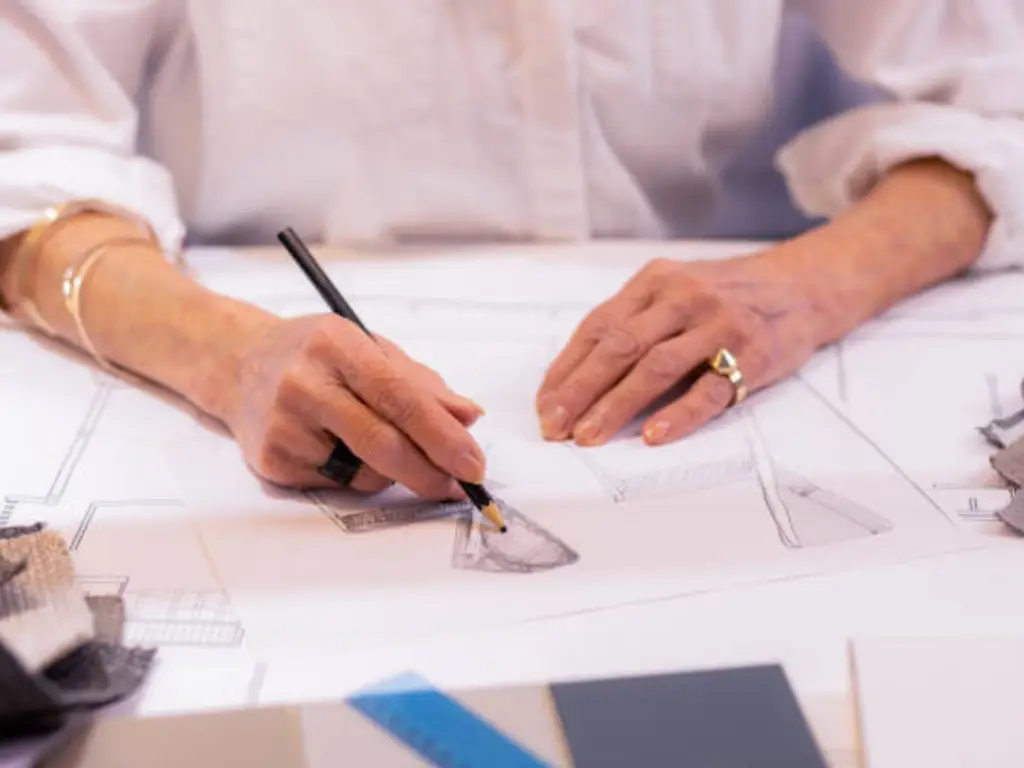
After the client and jewelry designer have settled on the conceptual final design, the process moves to the technical stage, which is marked by CAD and rapid prototyping. This phase is important in removing expensive mistakes prior to actual production.
The CAD (Computer-Aided Design) software enables the jewelry designer to convert the two-dimensional drawings into a three-dimensional model. This computer model defines all curves, prongs, and dimensions, which guarantee structural integrity and accurate fit of gemstones. The client is given elaborate renderings, which are usually photorealistic, which give a perspective of the custom ring, necklace, pendant, or earrings in all angles. It is the final chance of significant aesthetic alterations.
After digital approval, physical prototyping is done.
- The Wax Model: A 3D printer is used to make a physical wax model or resin model of a custom piece. Critical checks are done using this model, which includes:
- Scale and Proportion: The client is able to put on the model to feel and size it in real time.
- Ergonomics: Comfort and wearability.
- Fit: Making sure that it fits properly with other jewelry collection items, including a wedding ring that fits into a custom engagement rings setting.
The Power of Precision: How 3D Modeling Saves Time and Cost
Accuracy in CAD has a direct effect on efficiency and budget. An ideal digital model reduces the rework required after casting, which is expensive. Moreover, in the case of a professional manufacturer, CAD files are directly incorporated into the production equipment (such as CNC milling or high-volume 3D printing), simplifying the whole production process. This technicality saves time and minimizes the waste of materials, and eventually makes the process of creating custom jewelry more affordable for the client.
Deciphering Custom Jewelry Cost Breakdown
One of the most widespread myths is that all custom jewelry should be extremely expensive. As a matter of fact, the price is very dynamic and directly dependent on a handful of transparent variables. The cost structure is deciphered to enable the client to make informed decisions that are within his or her budget.
The cost of a custom jewelry is not a number but a combination of various costs:
- Material Cost: It is controlled by the kind of metal (white gold, sterling silver, etc.) and the size/type of gemstones (GIA-certified sapphires, rubies, emeralds, or cheaper stones).
- Design and Modeling Fees: The price will be the time of the jewelry designer, the first consultation, sketches, and the creation of the CAD file.
- Fabrication and Labor: This is the labor intensive section, which includes casting, bench work, setting, and finishing. The most important cost driver here is the complexity of the design.
- Overhead and Markup: The overhead and markup costs are related to the workshop operations, quality control, insurance, and business margin.
It is necessary to know that complicated hand-engraving or very complex assemblies will add greatly to the cost of labor than a plain casting. Thus, the best approach to the budget management is simplifying the aspects of the custom design without affecting the main aesthetic objective.
Choosing Your Partner: Design Studio vs. Professional Manufacturer
Choosing the person that will make your unique piece of custom jewelry is as significant as the design itself. The two major alternatives are a small design studio or a full-scale professional manufacturer. The decision must be in line with the priorities of the client, whether he is interested in a single art or in efficient and high-quality production.
- Design Studio: Provides very individualized, one-on-one service, and may focus on a niche style or technique (such as repurposing a family heirloom). It is concentrated on the individual art of the piece of jewelry.
- Professional Manufacturer: Provides end-to-end service, managing the design process, CAD to final shipping. They are strong because they are a blend of professional design and industrial quality precision and efficiency. They are best suited to those projects where efficient sourcing of materials and very consistent quality of production is needed.
Azone Jewelry Advantage: Efficiency and Quality for Fashion Pieces
Azone Jewelry is a highly specialized, full-cycle manufacturer of fashion jewelry, which has decisive advantages in the production of a new custom jewelry piece. We focus on combining high design and efficient production:
- Master Craftsmanship: Our craftsmen have a mean of more than 10 years of experience in jewelry making, which guarantees high level of technique and fine craftsmanship in each of our custom jewelry.
- Fast Turnaround Times: We know the requirements of fashion and speed. We have a committed team that offers quick sampling, and flat-cut products can be approved within 7 days, and more complicated casting products within 2 weeks. The entire production process of a final design that has been decided on takes approximately 2 weeks and you can be assured of receiving your order in time.
- Security and Process: Our process starts with a signed agreement to keep client information and intellectual property safe, and then the exact execution of your idea and deadline needs. Technical perfection is guaranteed by the combination of 2D, 3D, and CAD drafting.
- Fashion Foresight: Azone Jewelry has an active knowledge of the current fashion trends through constant interaction with international jewelers and designers, and attending major industry events. This makes your custom jewelry design always topical and on the edge.
The fact that we can control the whole production line enables us to provide unique, modern custom jewelry with a high quality control and competitive lead times, which is especially beneficial to the clients who need to produce an entire jewelry line or timely sets of accessories.
Custom Jewelry Design Checklist & Next Steps
It is important to have a final, comprehensive review before committing to the production of your kind piece of jewelry. This makes sure that the aesthetic objectives, technical requirements, and legal safeguards are well established.
Checklist to be used before approving the final step of the way:
- Final CAD Review: Have all dimensions, materials, and gemstone sizes been checked against the original brief?
- Pricing Confirmation: Does the final price get confirmed, and are all the possible future expenses (e.g., shipping, insurance) well-itemized?
- Warranty and Servicing: What are the warranty and servicing guarantees on manufacturing defects? Is the contract extended to cleaning or repair in the future?
- Intellectual Property: Who owns the rights to the final design? This is especially significant when you intend to create a jewelry line.
- Timeline: Does the final delivery date work with your needs (e.g., a deadline to have a particular wedding ring)?
By making sure that these aspects are taken care of, the process of moving from the conceptual stage to the development of the final product will be made easier.
Conclusion
Custom jewelry design is a choice to be individual and crafted. It goes beyond buying an off-the-shelf, already existing piece of jewelry to ordering a piece of personal history. Since the initial consultation that establishes the overall concept to the last product test, each stage of the process is devoted to the realization of your individual vision. An effective custom jewelry experience will not only lead to custom jewelry, but a wearable masterpiece, a unique statement of your personal style, and a future family heirloom.


 English
  Spanish
  French
  German