.png.webp)
Introduction
Fashion jewelry (sometimes synonymous with costume jewelry) is a separate category in the modern accessories market, in which base metals and artificial stones are used instead of precious metals and natural gemstones. Fashion jewelry, in contrast to fine jewelry, including engagement rings or family heirlooms of solid gold, which are bought to hold an asset, is used to fulfill a particular aesthetic purpose: to allow one to express themselves and follow fashion trends without spending much money. This guide examines the structural elements and quality requirements that characterize this multi-purpose, design-oriented category in the contemporary market.
Defining Fashion Jewelry in the Current Market
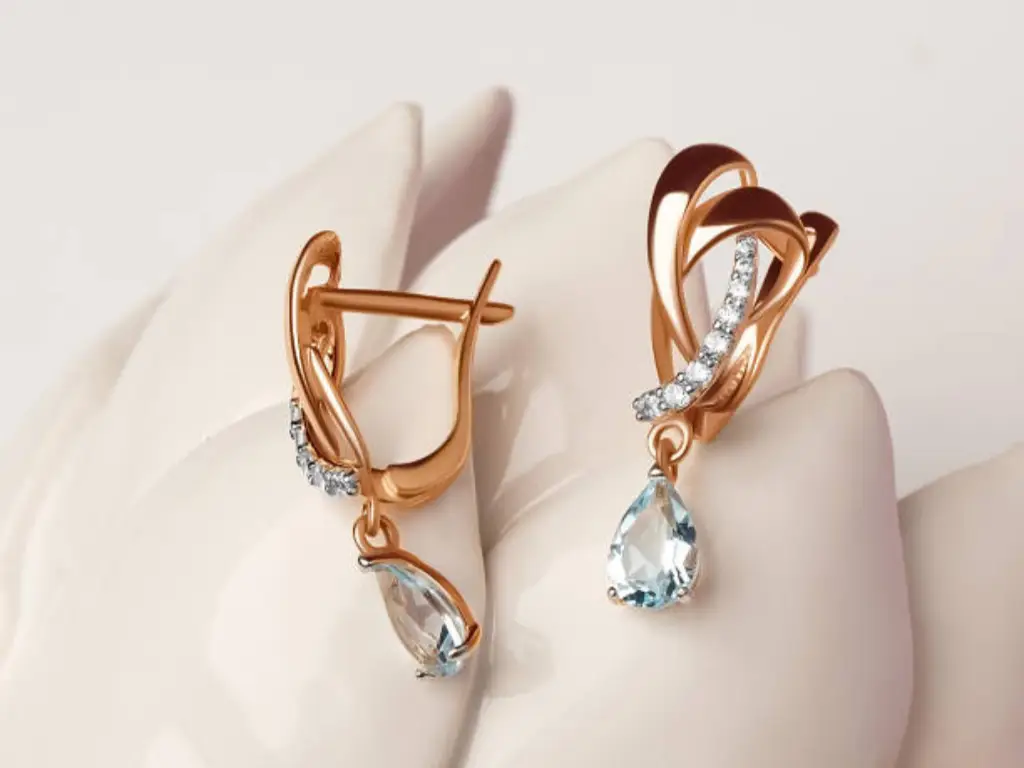
Fashion jewelry has undergone significant changes since the 20th century. Traditionally, the so-called vintage costume jewelry was created as a means for women to adorn themselves without showing off their affluence in the streets, or as a means for lower classes to emulate the fashions of the upper classes. Personalities such as Coco Chanel transformed this idea, making the notion of jewelry a decorative object instead of a symbol of financial value popular. Icons such as Elizabeth Taylor subsequently crossed the boundaries, combining costly items with costume jewelry, demonstrating that aesthetic value could be independent of material expense.
Fashion jewellery (as it is spelt in most markets around the world) is no longer merely an imitation in the contemporary market. It is an independent category that is concerned with personal style and daily wear. The industry has shed the derogatory term of junk jewelry. Now it includes mass-market accessories and high-design items that are as complicated as fine jewelry. Their main use is ornamental; they are bought to complement a particular outfit, to follow a fashion, or to make a statement piece without the investment that comes with expensive materials.
Common Materials: From Alloy to Stainless Steel
The main distinction between fashion and fine jewelry is the materials. In order to obtain low-cost alternatives without compromising on the aesthetics, producers use a range of materials that resemble the appearance of precious metals and precious stones.
Base Metals and Plating Techniques
Most fashion jewelry is made of base metal. Fashion items are usually made of brass, copper, aluminum, or zinc alloys, as opposed to fine jewelry, which is made of solid gold or platinum.
- Brass and Alloys: These are the most widespread base metals because they are malleable and cost effective. They can be easily moulded into complex patterns. Nevertheless, due to the ability of these metals to oxidize or produce allergic reactions on sensitive skin, they are nearly always plated.
- Stainless Steel: stainless steel is becoming more popular as an everyday wear, it is durable, does not tarnish and is usually hypoallergenic. It gives a more dense, heavier feel like precious metals.
- Sterling Silver: Sterling silver (925 silver) is a precious metal, but tends to fill the gap. When gold or rhodium plated it is often placed in the upper range of the fashion spectrum or the demi-fine range.
The finish is done by plating, or a thin coating of gold, silver, or rhodium over the base. High quality metals and superior plating methods including Physical Vapor Deposition (PVD) are necessary to ensure that the piece does not cause the skin to turn green which is a common complaint with cheaper materials.
Stones and Embellishments
The fashion jewelry industry depends on synthetic materials to recreate the glitter of the actual gemstones.
- Cubic Zirconia (CZ): It is the most common simulant of diamond. CZ of high quality is optically perfect and can be cut to reflect light just like real diamonds.
- Crystals and Glass: Swarovski and other brands have taken the utilization of lead glass crystals to a new level to produce beautiful jewelry that is able to refract light.
- Synthetic Stones: Synthetic stones are made by growing precious gemstones, such as rubies, sapphires, or emeralds, in the laboratory or by using colored glass.
- Natural Materials: Natural materials (wood, shell, leather, or semi-precious stones (agate, quartz)) are used in certain types of jewelry. These are authentic gemstones that are not as costly as the Big Four (diamond, ruby, sapphire, emerald) but they provide texture and worth.
Fashion vs. Fine Jewelry: Understanding the Difference
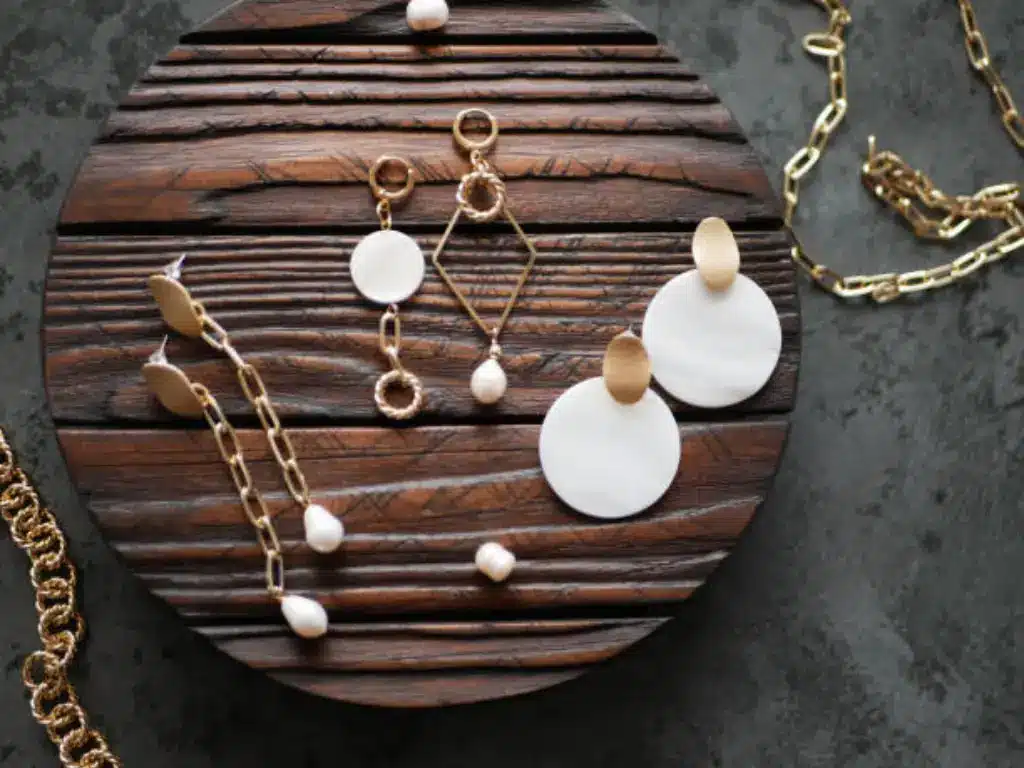
The difference between fashion jewelry and fine jewelry is binary in terms of materials but is a continuum in terms of utility.
Fine Jewelry is made of precious metals (gold above 10k, platinum) and natural gemstones. It is characterized by:
- Longevity: It can be used decades without being worn out.
- Value: It has intrinsic material value and resale value.
- Occasion: It is usually worn on special occasions or as a permanent item (e.g., wedding bands).
Fashion Jewelry is made of non-precious metals and artificial stones. It is characterized by:
- Trend Adherence: The designs are modified quickly to suit fashion.
- Availability: The cost is much cheaper, and consumers can afford a large variety of styles.
- Durability: It is not as durable as fine jewelry and will wear out or tarnish over a long period of time.
To the consumer, the decision is a trade-off in terms of economics. A pair of solid gold earrings in the form of diamond studs is a lifetime capital expenditure. An analogous one in gold-plated brass and cubic zirconia is a consumption expenditure that is supposed to be used to satisfy the immediate stylistic gratification.
The Rise of Demi-Fine Jewelry
The growth of the so-called demi-fine category is a major trend in the 2025 market. This segment is the one that fills the gap between fashion jewelry and fine jewelry, attracting consumers with varied tastes and budgets.
Demi-fine jewelry is usually a mixture of sterling silver and a heavy coating of gold plating, called gold vermeil (pronounced ver-may). The manufacturers provide a product that is hypoallergenic and more durable than the typical fashion jewelry, but at a lower price tag than solid gold, by using a precious metal base (silver) instead of a base metal (brass). Such brands as Ania Haie have already managed to exploit this niche by providing a touch of class and quality at a reasonable price. This category enables the consumers to obtain various materials and more upscale aesthetics at a lower cost than luxury goods.
Top Trends Shaping the Industry in 2025
The current trends in fashion in 2025 determine the future of jewelry manufacturing. As it is analyzed now, there is a tendency towards maximalism and personalization.
- Statement Chains: Gold and silver chains are heavy and industrial in style. These statement pieces are usually hollow manufactured so that they are lightweight even though they appear heavy.
- Cocktail Rings: Oversized, fancy rings with exaggerated synthetic gems or colored enamel are making a comeback, alluding to the glamour of the 20th century but using new materials.
- Mixed Metals: The hard and fast rule of wearing silver or gold has melted. The current fashion trends promote the use of silver and gold colors at the same time.
- Layering and Stacking: Customers like purchasing several cheap items to wear over each other, and this way they can have a distinctive appearance that can be regarded as a personal style. This demands a great variety of different lengths and textures.
How to Spot Quality and Avoid Cheap Imitations
Since fashion jewelry is made of cheaper materials, quality control is not fixed. An aesthetically pleasing work can deteriorate easily when the quality of manufacturing is poor. To determine the good quality fashion jewelry, it is necessary to check the construction:
- Weight and Density: Quality jewelry must feel heavy, even when it is made of base metal. Very light pieces usually represent brittle alloys of high zinc content.
- Plating Consistency: Check the piece, bubbles, peeling, or uneven color. Good plating (such as PVD) will appear homogenous and resemble the appearance of actual gold (14k or 18k color), but cheap plating tends to appear too yellow or orange.
- Stone Setting: In more expensive fashion jewelry, the stones are prong-set (with metal claws) instead of glued. Stones that are glued tend to fall out in the long run.
- Finish: The back and the clasp of the jewelry must be as smooth as the front. Sharp edges show that there is no attention to detail.
Why Manufacturing Standards Determine Jewelry Longevity
The durability of an object, which is usually the key difference between a treasured accessory and a disposable one, is not defined by the price of the materials but by the strictness of the manufacturing process. Although the main benefits of fashion jewelry are affordability and variety, they should be supported by stringent industrial standards to avoid quick tarnishing or safety concerns. It is this dedication to engineering quality that makes Azone Jewelry stand out among generic mass-market manufacturers. Our defect rate is kept at a rate of less than 3% by following international certifications (SMETA, BSCI, RoHS) and implementing critical testing standards, including REACH compliance on sensitive skin and Salt Spray tests on corrosion resistance. This craftsmanship of industrial grade is combined with the flexibility of service, such as 50-100 piece MOQ and fast prototyping (7 days-2 weeks), so that brands can provide quality metals and safety without sacrificing speed. (To see the manufacturing capabilities in detail, go to azonejewelry.com.)
Practical Care Tips to Extend Jewelry Life
Fashion jewelry, no matter how well it is manufactured, needs certain maintenance since it is not as chemically inert as precious metals. These pieces have a long life when they are well taken care of.
- Moisture Control: Water, particularly chlorinated or salt water, increases the rate of oxidation of base metals. Before swimming or taking a shower, jewelry must be taken off.
- Chemical Avoidance: Perfumes, lotions, and hairsprays are chemical substances that may erode plating. The last thing to be worn in dressing is jewelry.
- Storage: Keep in a special jewelry box or soft pouch. Tarnish is caused by exposure to air and humidity. This can be countered by storing pieces with anti-tarnish strips.
- Rotation: Fashion jewelry is to be rotated. The daily use of the same plated ring will cause the gold layer to wear off by friction. Spinning around a jewelry box of choices minimizes the mechanical damage to any one item.
Conclusion
Fashion jewelry is a vital and complicated part of the worldwide accessory market, which democratizes style by making available complex designs and the newest trends without the barrier of costly materials. Although it does not substitute the investment value of fine jewelry, the high-quality fashion jewelry has a timeless value when manufactured with advanced plating and stringent manufacturing standards. With the need to verify quality still dominating the market, to make sure that fashion is still associated with style and substance, it is necessary to have a partner who is dedicated to quality; to brands that want to take their collections to the next level with quality production that is both industrial and reliable, visit https://azonejewelry.com/ to see how Azone Jewelry can make your vision a reality.


 English
  Spanish
  French
  German