.png.webp)
Introduction
The finding of a green mark upon the removal of jewelry usually leads to instant consumer panic about metal toxicity or fake materials. These are wrong assumptions. The stain is a harmless, well-documented chemical reaction. This paper describes the precise science of this discoloration, instantaneous elimination techniques, and how professional manufacturing standards can eliminate it completely.
How to Remove the Green Stain from Your Skin INSTANTLY
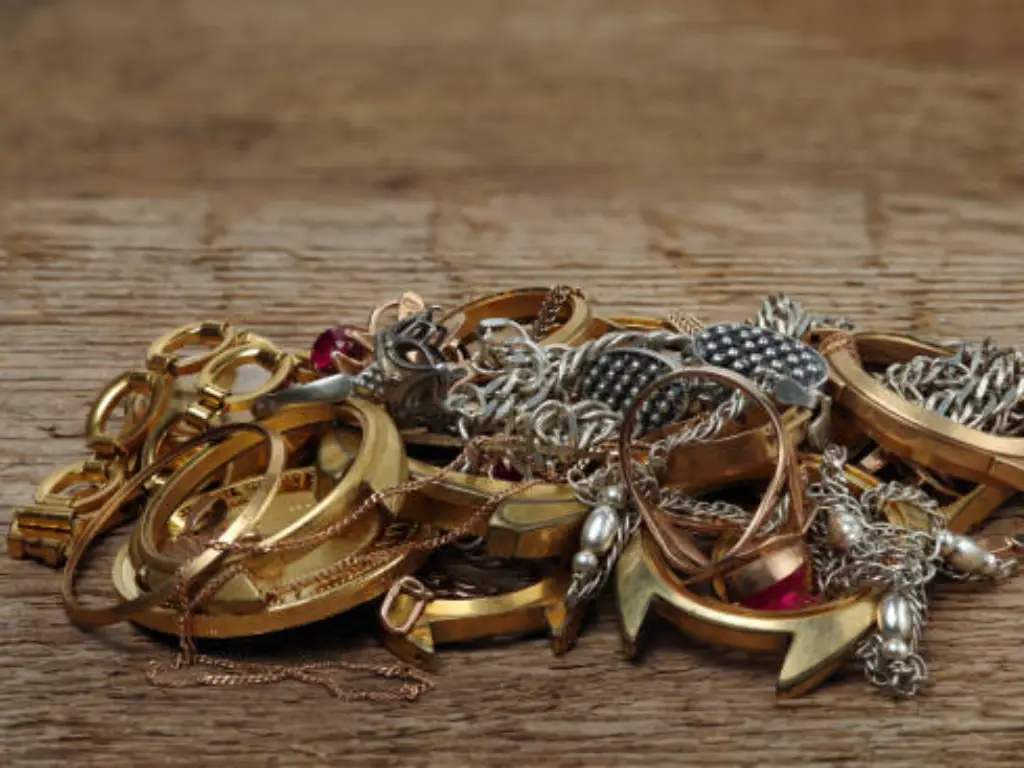
The first thing that is needed before analyzing the chemical causes of discoloration is to remove the mark. The greenish material is a thin coating of chemical salts that lie on the epidermis. Do not rub the skin harshly, this leads to physical irritation and redness.
Select one of the following three methods based on the specific location of the stain and your skin sensitivity:
| Cleaning Method | Optimal Application Area | Mechanism of Action | Exact Procedure |
| Micellar Water / Makeup Remover | Sensitive skin (neck, collarbone, earlobes). | Surfactants encapsulate metal salts and body oils, allowing removal without friction. | Apply to a cotton pad. Hold against the stain for 10–15 seconds to dissolve surface oils. Wipe with a single, firm motion. Rinse with water. |
| 70% Isopropyl Alcohol | Stubborn stains on durable skin (fingers, wrists). | Alcohol acts as a rapid solvent, breaking down the chemical bonds of the copper salts. | Rub the area firmly with an alcohol wipe or soaked cotton ball. Wash immediately with plain water and apply hand lotion to restore moisture. |
| Warm Water and Mild Soap | General use when primary solvents are unavailable. | Thermal softening of the epidermis combined with basic surfactant action. | Soak the skin in warm water for 2–3 minutes. Apply non-abrasive soap. Rub gently with a soft washcloth. Avoid all physical exfoliants. |
The Science: What Actually Causes the “Green Finger” Effect?
To prevent the green discoloration, you must understand the exact cause. The process is a basic chemical reaction known as oxidation.
The Main Culprit: Copper Oxidation (Not “Rust”)
The main reason of the green mark is the existence of copper in the metal structure of the jewelry. Direct contact of copper with the surface of human skin results in the interaction of copper with moisture and certain acidic compounds that are inherent to the surface.
This chemical reaction leads to the oxidation of copper. Oxidation is the reaction in which a substance reacts with oxygen, and the chemical change occurs. When copper oxidizes on your skin it forms chemical compounds known as copper salts- copper chloride and copper sulfate. These copper salts are naturally green or blue-green. The green spot on your skin is merely a coating of these copper salts which are passing out of the metal into your epidermis. It is a superficial movement, not an infiltration of the skin tissue, and has nothing whatever to do with iron rust.
Accelerators: Sweat, Lotions, and Your Body Chemistry
While copper is the required base element for this reaction, several external variables accelerate the oxidation process, making the green stain appear faster and darker.
- Human Sweat: Sweat consists of water, sodium chloride, urea, and lactic acid. The acidic nature of sweat creates an optimal environment for copper to oxidize. Individuals with higher natural acidity levels in their sweat will experience the green discoloration much faster than others.
- Cosmetics and Lotions: Sunscreens, hand creams, and perfumes contain various chemical compounds and acids. When these products are applied to the skin and then trapped underneath a ring or a necklace, they act as catalysts, speeding up the chemical degradation of the copper.
- Chlorine and Saltwater: Exposing copper-bearing jewelry to swimming pools containing sodium hypochlorite (chlorine) or ocean saltwater will cause rapid, aggressive oxidation.
Green Skin, Black Smudges, or Metal Allergy: Identifying the Cause
One of the most common mistakes in consumer evaluation is the misinterpretation of benign chemical or physical discoloration with a medical allergic reaction. These are three completely different biological, chemical and physical events. A harmless surface residue is a green or black stain. Allergic contact dermatitis is an immune system reaction to a metal allergy.
In order to figure out what exactly the skin reaction is, you need to assess the visual display, the physical experience, and the cause. The following table summarizes the diagnostic distinctions of the three major conditions:
| Symptom Category | ???? Copper Oxidation (The Green Stain) | ⚫ Cosmetic Abrasion & Sulfidation (The Black Smudge) | ???? Metal Allergy (Contact Dermatitis) |
| Visual Appearance | A distinct green or blue-green mark exactly where the metal rested on the epidermis. | A dark gray or black powdery smudge transferring onto the skin surface. | Redness, raised bumps, localized rash, or in severe cases, small blisters. |
| Physical Sensation | Completely painless and odorless. Zero physical discomfort. | Completely painless. Zero physical discomfort. | Intense itching, burning sensations, localized heat, and general physical discomfort. |
| Primary Scientific Cause | A chemical reaction between copper alloys and acidic moisture (sweat) on the skin. | Physical friction from hard minerals in cosmetics (zinc oxide) grinding microscopic metal dust onto the skin; or silver reacting with environmental sulfur to form silver sulfide. | An immune system rejection, primarily caused by prolonged dermal exposure to Nickel, Lead, or inferior base metals. |
| Required Action | Wash skin with soap or alcohol. The jewelry remains safe to wear. | Wash skin with soap. Clean the jewelry and remove cosmetics from the specific area before wearing. | Remove the jewelry immediately. Seek medical advice or apply hydrocortisone. Discard the jewelry. |
These differences are essential to the safety of consumers and the selection of professional products. Although green and black smudges are not dangerous consequences of environmental conditions and chemical formulations, actual metal allergies are a significant health liability. Nickel, a low-cost element that has been used in the past to provide strength and a bright finish in the low-end manufacturing process, is the primary cause of allergic contact dermatitis in the jewelry industry.
The absolute removal of these active allergens is the priority of professional jewelry manufacturers. Manufacturing plants like Azone Jewelry have high-level testing procedures of REACH that are followed prior to any production line being given a green light to be shipped. These laboratory tests are specifically done to determine the release of nickel, chromium and lead content to ensure that the end result of the metal composition is truly hypoallergenic and medically safe to be in contact with over a long period of time.
Myth Busted: Does Green Skin Mean My Jewelry is Fake?
Another common consumer myth is that a green oxidation mark means that the product is a fake. This is scientifically wrong. The fact that it contains copper is not an indicator of retail fraud but rather a strict engineering requirement of functional jewelry.
Pure 24-karat gold and 99.9% fine silver are not structurally sound to be worn on a daily basis. Pure metal rings are very malleable and therefore, they deform when subjected to normal hand pressure, leading to structural settings and gemstones embedded in them to fail. To overcome this drawback, the manufacturers have to develop alloys by combining pure precious metals with harder elements. The international standard of this process is copper; it enhances tensile strength and offers the necessary rigidity without compromising the aesthetic appearance of the main metal.
This mechanical requirement dictates the exact chemical composition of almost all premium jewelry categories:
- 925 Sterling Silver: By strict industrial definition, sterling silver consists of 92.5% pure silver. The remaining 7.5% is an alloy base, which is predominantly, if not entirely, copper.
- 14K and 18K Gold: 14-karat gold contains exactly 58.3% pure gold. The remaining 41.7% consists of necessary strengthening elements, specifically a calculated mixture of silver, zinc, and copper.
- Rose Gold: The distinct pink or red coloration of rose gold is not naturally occurring in pure gold; it is achieved specifically by integrating a high concentration of copper into the gold base.
Therefore, if a premium sterling silver or rose gold ring produces a faint green mark upon exposure to acidic human sweat, it is not a failure of authenticity. It is simply the expected chemical reaction of the required copper alloy functioning exactly as it was engineered to do.
Metal Selection: What to Buy and What to Avoid
If your skin chemistry is highly reactive to copper, you must select your jewelry based on exact metallurgical specifications. Categorizing metals by their chemical reactivity will dictate your purchasing decisions and prevent skin discoloration.
Metals to Avoid (High Oxidation Risk)
These materials contain high volumes of copper or unspecified reactive base metals. They will almost certainly cause green discoloration upon contact with human moisture.
- Brass: A highly reactive alloy of copper and zinc.
- Bronze: An alloy of copper and tin.
- Pure Copper: Often utilized in holistic jewelry; it oxidizes rapidly against acidic skin.
- Cheap Base Alloys: Unspecified metal mixtures used in fast-fashion retail. They are typically coated with a microscopic layer of fake gold that wears off entirely within days, exposing the reactive core.
Metals to Buy (Zero Risk & Hypoallergenic)
These materials do not contain reactive copper, or they are protected by impenetrable industrial barriers. They are physically incapable of turning your skin green.
- Platinum: A dense, highly durable precious metal that does not oxidize.
- 316L Surgical Stainless Steel: An industrial-grade alloy containing chromium. This element creates an invisible, self-healing oxide layer that prevents all chemical reactions with the epidermis.
- Titanium: Extremely lightweight and completely chemically inert.
- Rhodium-Plated Jewelry: Rhodium is a member of the platinum group. When layered heavily over base metals or white gold, it creates a total barrier against oxidation.
Note on Standard Precious Metals: 925 Sterling Silver, 14K Gold and Rose Gold are all high-quality alloys that are good investments. Nevertheless, since they have a necessary proportion of copper to be structurally sound, they still have a moderate chance of leaving a slight green stain in case of excessive sweating or acidic make-up. They are not dangerous to purchase, but need regular cleaning care.
Professional Ways to Prevent Green Skin Oxidation
Online forums frequently recommend coating jewelry with clear nail polish to prevent oxidation, but this method introduces chemical solvents that permanently degrade metal finishes. Proper environmental maintenance and professional manufacturing standards are needed to prevent it in the real sense.
To prevent your jewelry to oxidize on your skin, the following scientifically proven measures should be taken:
- Eliminate Nail Polish Application: Clear nail polish contains ethyl acetate, which actively dissolves thin gold or rhodium plating. The polish will also crack and turn yellow under body heat, creating a destructive and temporary barrier.
- Control Moisture Exposure: Copper oxidation accelerates in the presence of water, chlorine, and acidic sweat. Remove all alloyed jewelry prior to swimming, exercising, or applying chemical cosmetics and lotions.
- Utilize Professional Jewelry Shields: If a physical barrier is required for a highly reactive piece, apply a commercially formulated jewelry protectant. These are specific polymer sealants designed to bond safely with polished metal without causing solvent degradation.
- Invest in Superior Plating Technologies: The most permanent prevention is purchasing jewelry engineered with heavy-micron electroplating or Physical Vapor Deposition (PVD) coatings. These advanced techniques establish a durable, impenetrable barrier between the reactive copper core and the epidermis.
Finally, the process of oxidation prevention starts at the factory floor. Azone Jewelry focuses on producing high quality jewelry that is custom made and removes these structural failures at the point of origin. With the help of sophisticated PVD finishes and heavy-micron electroplating, we form permanent finishes on alloyed metals. Each customized production is subjected to harsh environmental tests, such as Artificial Sweat tests, Salt Spray tests, and accurate plating thickness tests. With a low defect rate of less than 3, Azone Jewelry offers a strong warranty of 1-2 years of plating, which means that the brands offer durable and hypoallergenic products to their customers.
Conclusion
The green discoloration from jewelry is a harmless chemical reaction between copper alloys and skin moisture, not an indicator of counterfeit materials. To the consumer, this problem can be easily controlled using common cleaning solvents and knowledgeable choice of metals. But in the case of retail brands, these oxidation marks have a devastating effect on consumer confidence and result in product returns. This can only be solved by improving manufacturing standards. The use of facilities that apply thin and unregulated electroplating will always have adverse commercial outcomes.
Upgrade Your Manufacturing Standards
Azone Jewelry helps brands eliminate oxidation issues through rigorous REACH testing and premium electroplating. Offering a 50-piece minimum order quantity and rapid custom sampling, we guarantee industrial reliability. Contact us today to secure a custom production quote.


 English
  Spanish
  French
  German