.png.webp)
Introduction
When purchasing a piece of jewelry for daily use or creating a lucrative line of retail products, the question of sterling silver versus stainless steel often arises. The two materials are the ones that are ruling the market, but they are used in completely different functional and economic ways. To make a wise choice, consumers and business owners should not focus on superficial beauty, but rather consider the primary distinctions in their metallurgical properties. This is a complete guide on the physical durability, maintenance, skin safety, and economic value of the two metals. Knowing the key features of each material, you will be able to choose the exact product that will fit your particular wear situation and budget.
Understanding the Basics of Both Metals
Before comparing their performance in daily wear, it is necessary to establish the exact composition of both metals, as this foundational knowledge dictates how each material behaves under physical stress and environmental exposure.
What is 925 Sterling Silver?
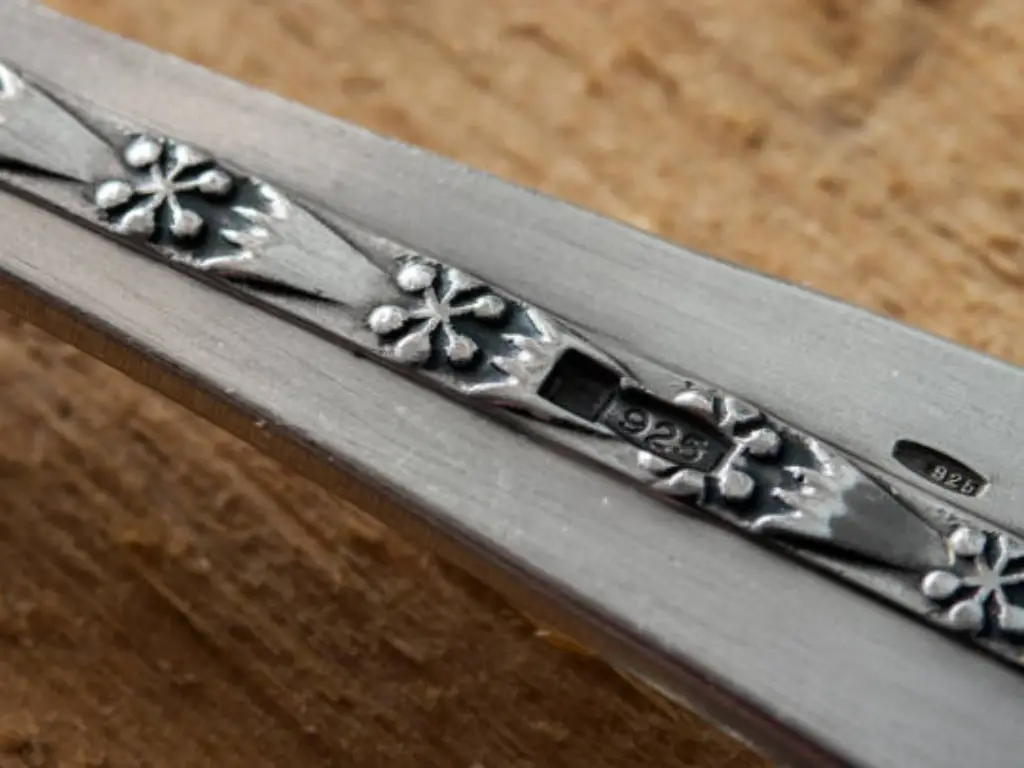
925 sterling silver is an alloy that is made of 92.5% pure silver and 7.5% secondary elements, as 100 percent pure silver is too soft to be used in everyday life. In order to achieve structural integrity, metallurgists normally use the existence of copper, but some manufacturers can use a zinc alloy. This material is classified as a precious metal with intrinsic market value and is the industry standard in the production of classic silver accessories and other decorative items, known worldwide to be highly light reflective and beautiful.
What is Jewelry-Grade Stainless Steel?
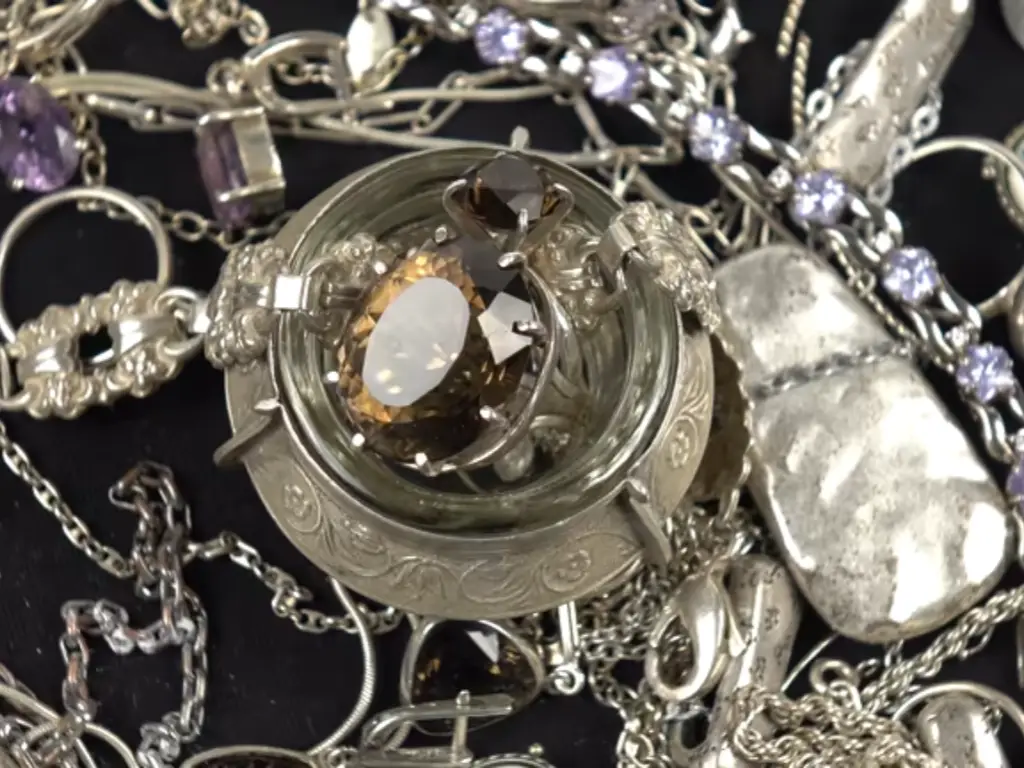
Stainless steel jewelry grade is a very tough metal alloy that is mainly made of iron, carbon, and a certain amount of chromium that creates an invisible protective layer of chromium oxide when exposed to oxygen. This chemical reaction gives it an outstanding corrosion resistance, and this is precisely the reason why this material was initially invented to be used in the production of surgical instruments. The 316L grade is currently used in contemporary accessories and has become a popular choice because stainless steel jewelry has become a major category that can retain its rigid form when subjected to considerable physical stress without deteriorating.
Quick Comparison Table: Silver vs Steel
To provide a direct overview of the different factors, the following table summarizes the primary specifications of both materials.
| Feature | 925 Sterling Silver | 316L Stainless Steel |
| Material Classification | Precious metal | Industrial metal alloy |
| Durability & Hardness | Moderate (Susceptible to scratches and structural bending) | High (Highly scratch and dent resistant) |
| Tarnish Resistance | Low (Reacts with sulfur in the air and oxidizes) | High (Does not oxidize or tarnish) |
| Water & Sweat Resistance | Low (Requires removal before showering or exercise) | High (Safe for daily wear; resists water and sweat) |
| Resizing & Repair | High (Jewelers can easily alter and solder the metal) | Low (High density prevents standard resizing procedures) |
| Design Capabilities | Superior for intricate details and complex gemstone settings | Optimal for rigid, structural, and modern designs |
| Hypoallergenic Level | Moderate (Copper content may trigger allergic reactions) | High (Medical-grade; highly safe for sensitive skin) |
| Maintenance Need | High (Requires proper care and regular polishing) | True low maintenance (Requires minimal cleaning) |
| Price Point | Higher (Fluctuates based on the global commodity market) | Affordable price (Highly cost-effective for volume production) |
| Primary Application | Fine jewelry, special occasions, and investment pieces | Everyday use, fitness environments, and trendy fashion accessories |
Durability and Strength for Everyday Wear
Physical strength is a major measure when considering materials to be used in everyday wear. Stainless steel objects have a high Mohs hardness scale rating. This is because of its high density, which makes the metal very resistant to scratches, dents, and structural deformation. Stainless steel has the advantage of being impact and friction-resistant. Stainless steel is a good option if you work with your hands, go to a gym, or expose your accessories to extreme conditions. The metal will not be out of shape.
Sterling silver pieces, on the contrary, are much softer. Silver is a malleable material, although the added copper gives it the required rigidity. This malleability is very beneficial to jewelers in the production process. It enables the craftsmen to cast and carve complex designs, which lead to complex details that cannot be physically made using harder metals. Silver is the material you need in case you want to obtain complex pieces with complicated filigree or exact gemstone settings. The trade-off, however, is that silver jewelry will develop surface scratches with time, and thin bands can deform when subjected to heavy pressure.
Tarnish and Maintenance: True Cost of Upkeep
The cost of maintaining the look of a product has a direct effect on its sustainability. Sterling silver tarnish is a known chemical reaction. Silver sulfide is formed on the surface when the alloy of silver is in contact with the gases of hydrogen sulfide in the air, or with the chemicals in perfumes and lotions. This produces a yellowish or black discolouration. In order to reverse this, good care is compulsory. You should wash the objects with a soft cloth and a special chemical cleaning solution or with warm water and soft soap. It must be polished regularly to keep it shiny.
On the other hand, stainless steel offers a low-maintenance experience. Due to the above layer of chromium oxide, the metal does not react with oxygen or normal environmental sulfur. It will not discolour, rust, or become black. Steel needs almost no maintenance for the consumer who wants the most convenient method of handling their accessories. When the surface gets dirty or greasy, all one needs to do is rinse it with lukewarm water and dry it with a towel, and it looks like it used to be.
Aesthetics, Plating, and Hypoallergenic Skin Comfort
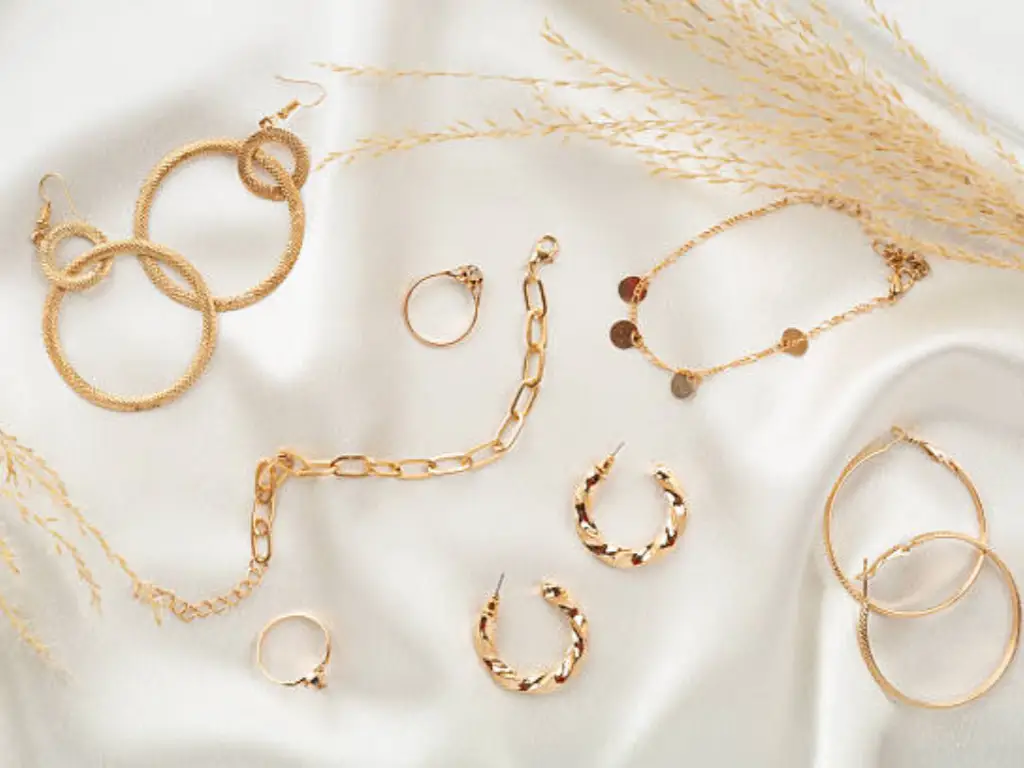
The visual display and the physical compatibility with human skin are the key selection criteria. Sterling silver is whiter in appearance and very reflective. Silver is a universally accepted traditional color, and it matches well with transparent gemstones such as diamonds or moissanite. But contemporary production methods have enhanced the aesthetic power of steel. Physical Vapor Deposition (PVD) plating allows manufacturers to use a vacuum-sealed coating on steel to provide it with a high-end appearance that mimics 18K gold or rose gold. This procedure renders fashionable stainless steel objects indistinguishable from more costly ones.
As far as skin safety is concerned, hypoallergenic qualities are a significant issue for people with sensitive skin. Nickel or copper is most commonly the cause of an allergic reaction to jewelry. Although sterling silver is usually safe, copper in the 92.5% mixture may lead to oxidation of the skin and temporary greening of the skin when exposed to acidic sweat, 316L stainless steel, in particular, the medical-grade type, is designed to prevent the leaching of metal ions into the skin. This formulation avoids the possibility of contact dermatitis, and it is therefore a completely safe choice when it comes to body piercings and close-contact accessories.
Cost vs. Value: Smart Purchasing Decisions
The amount of money that is needed to invest in these materials varies greatly. Since silver is a known commodity that is traded in the international financial markets, sterling silver jewelry, or sterling silver jewellery, depending on your regional spelling, has a higher base price. The benefits of sterling silver are that it has residual financial value; you are buying a known commodity. It is a suitable heirloom, wedding attire, and special events where the value of the item is of importance.
The production of stainless steel is done on a large-scale industrial level, and this makes it very cheap. It is among the most widespread materials in modern fashion accessories. Buying steel enables consumers to buy several products and keep up with the latest fashion trends without spending much money. It is a great option for people who wish to diversify their wardrobe effectively. In cost-versus-functional value analysis, steel offers the greatest life per dollar.
Sourcing Quality Stainless Steel for Your Brand
In case you run a retail business, one of the core operational needs is to choose the appropriate supply chain partner. Whether you are changing your silver jewelry to more durable ones or you are starting a new line of waterproof accessories, you require a manufacturer who can provide you with consistent quality. The correct decision of the factory will decide your product margins and customer satisfaction rates.
At Azone Jewelry (https://azonejewelry.com/), we are dealing with the mass production of high-quality 316L stainless steel jewelry. We know that brands must have an ideal balance between contemporary design, beauty, and physical toughness that is uncompromising. We have a manufacturing plant with the latest PVD plating technology so that our stainless steel products do not lose their color in the harsh environment. When you decide to use Azone Jewelry as your production partner, you will have access to a stable supply of hypoallergenic, tarnish-resistant products. We offer strict quality management, where each batch is of international safety standards, and you can be assured of promoting the merits of your products to your customers.
Conclusion
After all, no one metal is better than the other; the correct one will be determined solely by your functional needs and the target market. Although 925 silver is the industry standard in terms of traditional elegance, investment value, and producing a highly detailed piece of silverworks, stainless steel is the rational choice when it comes to high tensile strength, complete tarnish resistance, and maximum cost-efficiency is needed. With these clear physical facts in consideration, you are now in a position to make a wise choice and choose the best material to use in any type of jewelry application.
When you are willing to grow your brand with high-end, hypoallergenic stainless steel products, our production team is ready to bring your vision to life. Call Azone Jewelry now and talk about your particular design needs and get a detailed production quote.
 English
  Spanish
  French
  German