.png.webp)
Introduction
The jewelry industry is a huge and dynamic market in the world, which is emotion-driven, aesthetic-driven and perception-driven. Although design enthusiasm is a typical starting point, a successful jewelry business needs a strict knowledge of inventory economics and strategic positioning- things that generic advice does not take into account. This guide is a roadmap to all aspiring entrepreneurs and is an objective analysis of the unique financial models of fine, handmade, and fashion jewelry to help you determine the most viable route between idea and sustainable cash flow.
Step 1: Define Your Lane
The choice you make first determines your budget, your pricing strategy and your growth potential. In order to establish a successful jewelry business, you need to select a lane, not only passion.
This decision matrix will help you compare the four major sectors and decide which business model fits your resources and business objectives.
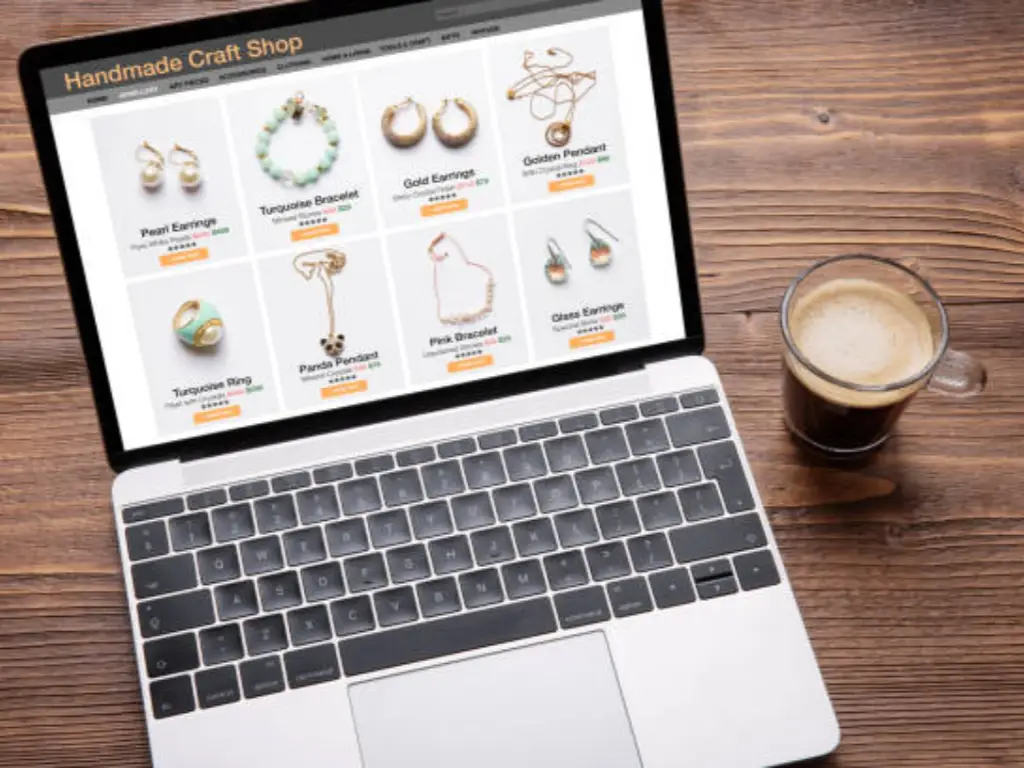
| Feature | Fashion Jewelry | Semi-Fine (Demi-Fine) | Fine Jewelry | Handmade Jewelry |
| Primary Material | Alloy, Brass, Stainless Steel | Vermeil, Gold-Filled, Sterling Silver | Solid Gold, Platinum, Diamonds | Clay, Beads, Wire, Mixed Media |
| Startup Cost | Low ($500 – $2,000) | Medium ($2,000 – $5,000) | High ($10,000+) | Low ($200+) |
| Inventory Risk | Low. Cheap to test trends. | Medium. Silver prices fluctuate. | Critical. Cash is tied in metal. | Low. Raw materials are cheap. |
| Scalability | High. Easy to mass produce. | High. Factory scalable. | Low. Security & trust barriers. | Zero. Limited by your hands. |
| Sales Velocity | Fast. Impulse purchases. | Medium. Occasional treats. | Slow. Milestone purchases. | Variable. Niche markets. |
| Target Audience | Trend-chasers, Gen Z | Working professionals, Gifters | Brides, Investors, Luxury buyers | Art lovers, Craft fair shoppers |
| Key Opportunities | Viral potential on social media; high volume sales; rapid cash flow accumulation. | Bridging the “Affordable Luxury” gap; higher Average Order Value (AOV) than fashion. | High profit per unit; building long-term generational brand value. | Strong emotional connection; storytelling; loyal niche community support. |
| Key Challenges | Intense competition; managing rapid trend cycles; fighting “cheap” quality perceptions. | Educating customers on price vs. value; distinguishing from cheaper plated alternatives. | Exorbitant capital requirements; slow inventory turnover; security risks. | Physical burnout; income cap due to labor limits; difficulty meeting sudden demand. |
When evaluating various types of jewelry, the best direction that a new business can take in the present jewelry market is squarely in the Fashion and Semi-Fine segments. Although Fine Jewelry is priced high in terms of ticket prices, the excessive capital requirements form a cash trap that kills start-up liquidity. On the other hand, handmade jewelry will create a time trap, in which the revenue will be limited forever by the number of hours of physical labor. Statistics show an enormous change in consumer behavior: the current potential customers are more and more inclined to regard specific jewelry products as an everyday accessory to complete an outfit and not a unique, lifetime purchase. This habit is very biased towards the Fashion (often categorized as costume jewelry) and Semi-Fine industries where the velocity of jewelry sales is high and the frequency of repeat business is common.
In the case of a startup, this middle ground is the best ecosystem to concentrate on. It enables you to make healthy profit margins (usually 5x10x) and grow your jewelry brand around the world without the inventory nightmare of precious metals, and it is the choice of successful business owners in 2026.
Step 2: Select Your Business Model
After deciding on the kind of jewelry you will be selling and your business goals, you need to decide on the source of jewelry. This choice determines your day to day activities, your profitability and scalability.
The decision matrix below will help you to determine which sourcing strategy fits your resources, which can be a great way to approach your decision-making process.
| Business Model | Key Advantages (Pros) | Key Challenges (Cons) | Best For |
| Handmade (The Maker) | • Unique, one-of-a-kind designs. • Total creative control. • Low startup cost (tools/materials). | • Unscalable: Your income is capped by your labor hours. • Production bottlenecks during busy seasons. • High cost of goods sold (labor). | Artists & Hobbyists who prioritize craft over scale. |
| Dropshipping (The Tester) | • Zero inventory risk. • Low barrier to entry. • Easy to test multiple jewelry designs. | • Zero quality control. • Long shipping times & generic packaging. • Low profit margins. • Hard to build a strong brand. | Entrepreneurs with $0 budget looking to test concepts. |
| Manufacturing / Private Label | • Highly Scalable: Handle thousands of orders easily. • Brand Control: Custom packaging & unboxing experience. • High Margins: Lowest unit cost. • Consistent quality standards. | • Requires upfront investment for inventory. • Minimum Order Quantities (MOQs). • Need to manage inventory management. | Serious entrepreneurs building a long-term Jewelry Brand. |
Among the entrepreneurs who want to develop a sustainable and profitable asset in 2026, the statistically better option is Manufacturing / Private Label. Although Dropshipping is a tempting low-risk entry point, the lack of control over the quality of products and the speed of delivery can result in low customer retention and low brand loyalty. Likewise, Handmade Jewelry is satisfying but is necessarily restricting your earning capacity.
The collaboration with a professional jewelry manufacturer is the best of both worlds: it will allow you to scale your online sales exponentially and at the same time guarantee the quality and custom branding that will help to create a loyal customer base. This model enables you to concentrate on marketing tactics instead of gluing beads or apologizing about the delays in shipping.
Step 3: Define Your Sales Channel
The location of your sale will dictate your fixed costs, daily workflow, and the speed at which you can gain a customer base. This is a resource allocation game in the case of a new jewelry business. You have to make a choice on whether to spend your scarce capital on rent, digital advertisements or traveling to events.
This comparison table will help you decide which sales channel fits your startup abilities.
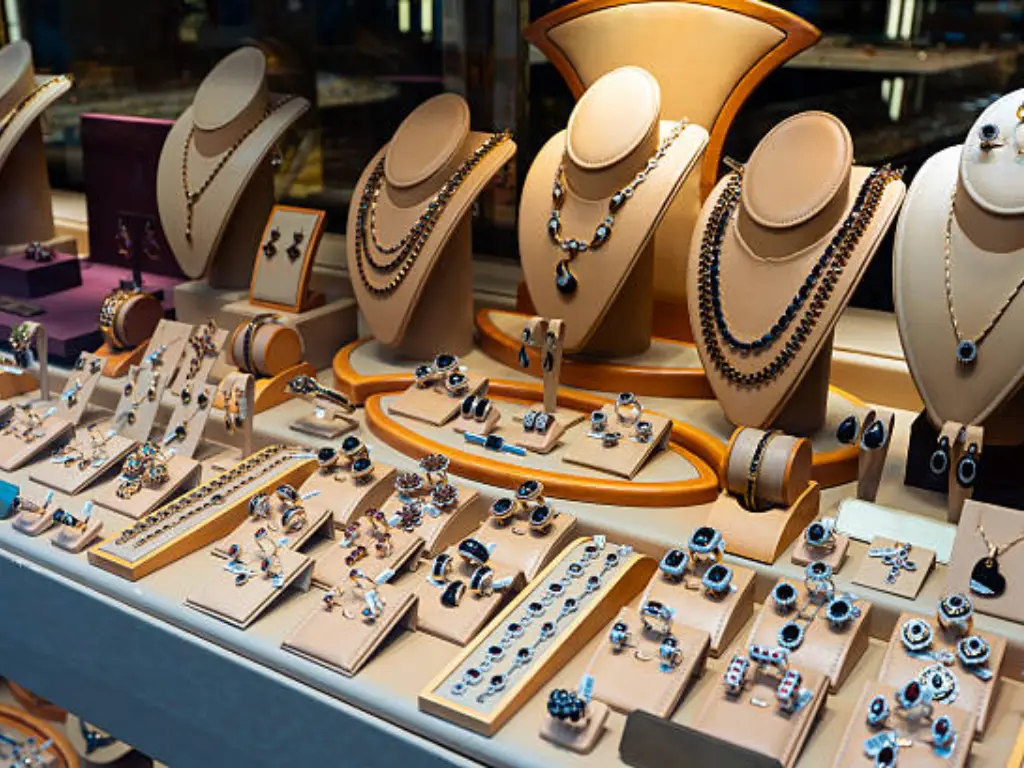
| Channel Model | Online-Only (DTC) | Offline (Retail Store) | The Hybrid Model (Recommended) |
| Primary Platform | Own website (Shopify), Etsy, Amazon. | Physical storefront, Mall kiosk. | Online store + Pop-up shops / Markets. |
| Startup Cost | Low ($) Domain, hosting, photography. | Very High ($$$$$) Lease, build-out, insurance, staff. | Medium ($$) Website costs + Event booth fees. |
| Customer Trust | Low (The “Touch Barrier”). Hard to prove quality through a screen. | High. Instant gratification; customers feel the product. | High. Face-to-face interaction builds trust for online reorders. |
| Marketing Focus | Digital: SEO, social media ads, content. | Local: Foot traffic, signage, local PR. | Community: Email marketing, local events, word-of-mouth. |
| Key Challenge | High Customer Acquisition Cost (CAC); getting noticed in a crowded space. | High fixed monthly overhead regardless of sales volume. | Logistics; physically moving inventory to events. |
| Best For | Data-driven founders with digital marketing skills but limited cash. | Established brands with deep capital looking for prestige. | Most Startups. Entrepreneurs who want to build a loyal community. |
The Hybrid Strategy has the greatest chance of survival to 90% of small jewelry business owners. It is too slow to start online-only on online marketplaces and too costly to start a retail store. The hybrid model fills this gap. You can create instant cash flow and face-to-face relationships by organizing pop-ups or providing services such as Permanent Jewelry (welded bracelets) at local markets. You can then direct these offline customers to your online shop to do business with them again, which will effectively reduce your total customer acquisition expenses and create a strong brand name.
Step 4: Validate Your Niche & Market Research
A generic jewelry firm that tries to sell to all rarely survives the market saturation. To be successful, you must narrow your target market by a general group, like gold jewelry, to a hyper-specific target market, like hypoallergenic jewelry on sensitive skin or sweat-proof jewelry on athletes. Information is success, not intuition. Google Trends and Pinterest Predicts are just some of the tools that you can use to find out what potential customers are actively searching before you spend a dime on inventory. In addition, experiment with these concepts by engaging your target audience on social media; even simple polls where customers are requested to comment on potential designs will assist you not to invest in dead stock. It is this validation phase that makes the difference between a jewelry brand that is a solution to a problem and noise.
Step 5: The Financial Plan
The failure of most business plans is not due to the fact that they fail to make sales, but rather due to poor math. New entrepreneurs are likely to estimate the profit by merely looking at the cost of the metal, without looking at the ecosystem that is required to sell it. To ensure that your pricing model is sustainable, you must take into account the so-called Invisible Costs that eat margins: high-quality content creation, personalized packaging, platform transaction costs, and sample waste.
The Golden Rule of Pricing Guess no more. The industry standard of the fashion jewelry industry is 4x Markup on your Landed Cost to survive. The winning formula that winning brands use is:
Retail Price = (Product Cost + Packaging + Shipping to You)×4
This multiplier (4x) is not random. It ensures that after you have paid the cost of the product, you still have three additional buckets to invest in your jewelry marketing (Ad spend/CAC), pay the overhead of the business (website/staff) and finally, you have your actual net profit. You will be out of cash the minute you begin to increase your marketing plans when you charge less than this to compete.
Step 6: Branding & The “Unboxing Experience”
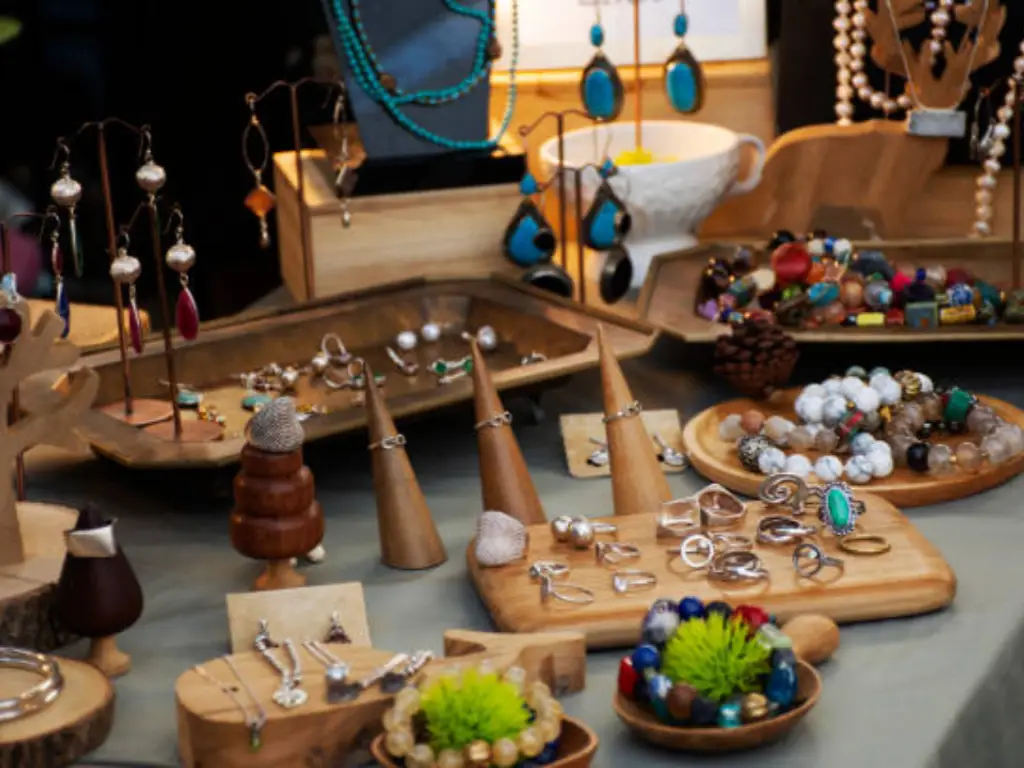
Your brand name is your product in the overcrowded jewelry market. This involves strict visual consistency throughout your site, social media, and marketing content to create instant trust. More importantly, this branding should be carried over to the physical unboxing experience. Your packaging is a useful marketing tool in the era of social media; when done with aesthetics in mind, it will prompt customers to record and post their purchase on social media, such as Tik Tok. This user-created content is a form of free content marketing, which legitimizes your brand to new potential customers better than paid advertising.
Step 7: Sourcing & Manufacturing
It is your most important decision of operation. The supply chain is only as good as your jewelry business. To be successful, you need to leave generic trading firms and join an integrated jewelry manufacturer that can strike a balance between startup level agility and enterprise level quality.
The Strategic Checklist: What to Look For To match your supply chain with the modern market needs, focuses on the following three non-negotiable conditions when screening suppliers:
- Risk Management (Low MOQ): Do not invest your capital in thousands of untested units. Find a supplier that will accommodate a Minimum Order Quantity (MOQ) of approximately 100 units. This is because you can easily experiment with market response to your jewellery designs without having to spend a lot of money.
- Technical Validation (Quality Assurance): To secure your brand image and reduce the returns, quality must be ensured. Your supplier should be in a position to give documented detection reports that show that their products are safe and durable. This objective evidence is what you have as the sole guarantee of product failures.
- Compliance & Scale: Have market access through valid REACH and SGS reports (regarding chemical safety) and BSCI certification (regarding ethical labor).
It is difficult to find a manufacturer that would actually live up to these standards but it is necessary to achieve long-term success. Azone Jewelry is one of the best examples of this Ideal Partner Profile, where the manufacturing process is tailored to the growing brands. They reduce the entry barrier with hyper-flexible MOQs of only 50-100 pieces, enabling you to experiment with the market without risk, and at the same time, implement strict quality measures, such as Artificial Sweat, Salt Spray, and Tensile Tests, to ensure that your brand reputation is not ruined by returns. Moreover, they have unlimited capacity to grow your business in future with a monthly capacity of 500,000 and above. The best thing to do is to find a partner with this particular agility and scale to make sure that your supply chain does not become a bottleneck to your success.
Step 8: Legal & Compliance
Running a legitimate jewelry business involves a lot of strict compliance to legal requirements and regulations to prevent financial devastation. First, it is necessary to formally establish your own business (e.g., as an LLC); otherwise, your personal assets may be sold to pay off business debts or lawsuits with the help of this corporate veil. Secondly, you should be cautious with sales tax requirements because not paying taxes on online sales across state borders usually results in harsh audits and retroactive fines. Lastly, there is the risk of product liability. Failure to comply with safety regulations (such as REACH or Prop 65) on heavy metals may lead to catastrophic product recalls, custom confiscations, or lawsuits by customers in case of an allergic reaction.
Step 9: Launch & Marketing
Your inventory is locked up, and your marketing strategies should be aggressive and purely Visual-First. Jewelry sales are mainly driven by social media, and it is no longer enough to use static images; you need to use short-form video (TikTok/Reels) to demonstrate the movement, size, and shine of your jewelry items. Add to this with SEO-based blog posts on styling to attract organic search traffic. Nevertheless, do not trust algorithms only. Email marketing is the most profitable channel, and it is better to build a list at the beginning to inform about new jewelry collections, gather customer feedback, and stimulate repeat business. Lastly, authenticate your brand by planting jewelry pieces to micro-influencers, which will produce the social credibility required to turn potential buyers.
Conclusion
Starting a successful jewelry business in 2026 requires more than just creativity; it demands a solid financial strategy. By focusing on the high-velocity fashion jewelry sector, you bypass the capital traps of fine jewelry and the scalability limits of handmade goods. However, your long-term success ultimately hinges on one operational pillar: a reliable supply chain.
Do not compromise on quality or get locked into unmanageable inventory. To launch with the confidence of verified safety standards and flexible production, explore the Azone Jewelry catalog today. Choose a manufacturing partner ready to support your growth from your first sample to global scale.


 English
  Spanish
  French
  German