.png.webp)
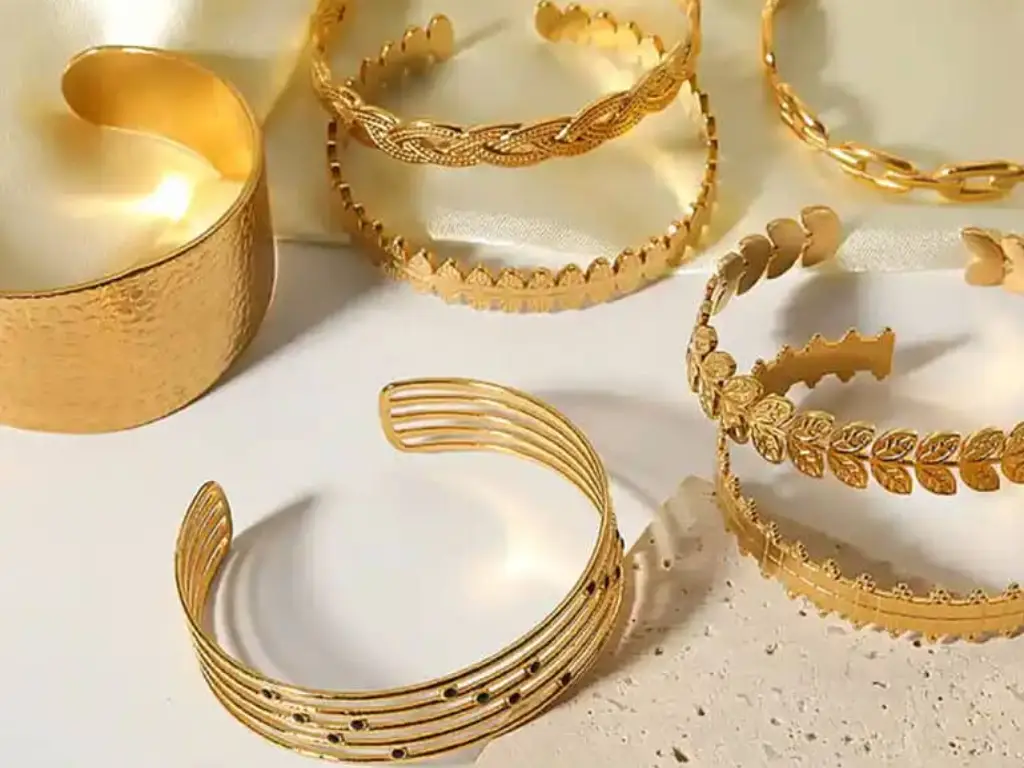
The Naked Truth: How Long Does Gold Plated Jewelry Really Last?
Let’s cut to the chase: on average gold plated jewelry lasts anywhere from 6 months to 2 years. But here is the naked truth that the fast-fashion industry doesn’t want you to know – this is just an affordable way to enjoy the average. With the right care, this jewelry can maintain its golden glow and last a long time, and the clock begins ticking the second that shiny new hits your skin.
Think of gold plating as being like expensive nail polish, allowing you to enjoy the luxurious look of a thin layer of real gold. No matter how premium the polish is, if you are typing on a keyboard all day long, the edges will chip. Many cheap pieces on the market use “Flash Plating” – a microscopic layer thinner than a human hair (often less than 0.175 microns) that fails to create a smooth surface. These pieces will lose their luster in a matter of weeks.
The Hardcore Variables That Dictate Lifespan (Not Just Luck)
Fading isn’t random. It’s a perfect equation of physics, chemistry, and supply chain integrity. Here are the real variables that decide whether your soft pouch types of jewelry, when cleaned with warm water, will be a family heirloom or a temporary fashion.
The Micron Factor: Thickness is Everything
The thickness of the gold layer is measured in microns (um) – micrometers. If a brand refuses to inform how many microns they have, you are likely buying flash plating.
- Flash Plated (<0.175 microns): Weeks-Months. Highly prone to daily wear.
- Standard Plated (0.5 – 1.0 microns): The average of the industry. Lasts approximately 6 months to a year under proper care and is considered standard plating, making it a popular choice among consumers.
- Heavy Gold Electroplated (2.5+ microns): The Best of the Best Can last several years.
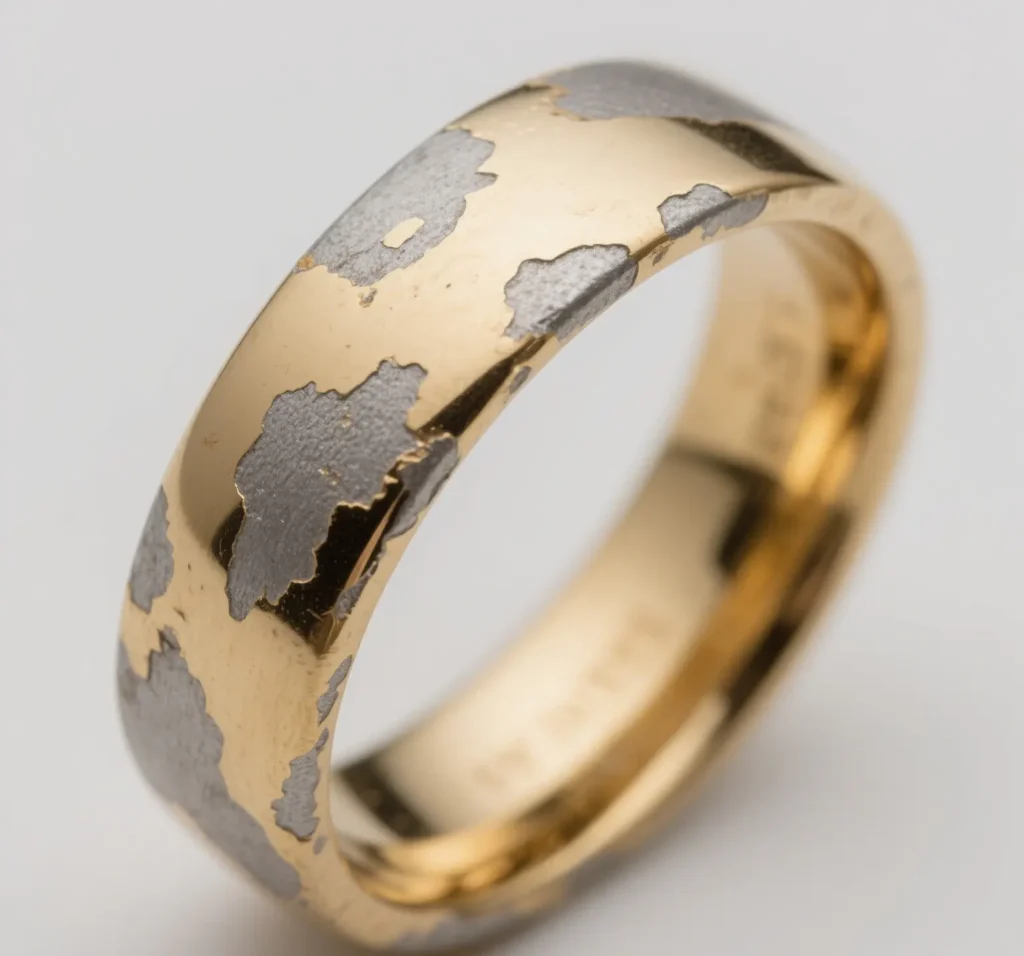
Expert Standard: According to the FTC (Federal Trade Commission) Jewelry Guides, to legally state that it was “Heavy Gold Electroplate,” the plating must be no less than 2.5 microns thick.
The Base Metal Foundation: What Lies Beneath?
What happens when gold wears off inevitably? The type of base metal determines if you have the dreaded “Green Finger Effect.”
Cheap brass or copper alloys have an aggressive reaction to human sweat and produce copper chlorides that leave a green stain on the skin. In contrast, high-quality bases such as 316L Stainless Steel coupled with PVD (Physical Vapor Deposition) Gold coating or 925 Sterling Silver (called Vermeil) are a stable, hypoallergenic base. PVD coating on stainless steel produces an absolutely tough and water-resistant bond that traditional electroplating simply cannot touch.
The Silent Killer: Body Chemistry & pH Levels
Ever wonder why the exact same ring lasts a year for your friend, but turns black on you in a month? Your body chemistry is a silent corrosive agent that is not visible to the naked eye. High-acidity sweat (a lower pH level), certain medications, and even hormonal changes can cause the oxidization process to go faster, revealing clear signs of wear. The good news is that for highly acidic body types, standard gold plating just won’t last long, especially when exposed to harsh chemicals.
The Hidden Variable: Your Manufacturer’s Quality Control Standards
The Hidden Variable: Your Manufacturer’s Quality Control Standards
Here is where consumer frustration meets B2B reality. Even if a design specifies a ‘2.5-micron thickness,’ cutting corners by a manufacturer can ruin a brand’s reputation. Lifespan is manufactured, not guessed, and the importance of thicker quality plating, including the use of gold ions, cannot be underestimated.
For jewelry brands and distributors, high rates of returns for fading are a nightmare. To avoid this, elite jewelry has to be tested rigorously in the factory before ever entering the market: XRF (X-ray Fluorescence) Plating Thickness Measurement, 48-hour Artificial Sweat Tests and Salt Spray Tests.
Furthermore, good manufacture means adhering strictly to REACH and SGS environmental regulatory standards. When a factory has SMETA, BSCI and GRS certifications and assures of these testing measures, the longevity of the plating is a guarantee, not a promise of the marketing department.
The Wear & Tear Heatmap: Rings vs. Necklaces vs. Earrings
Stop treating all jewelry equally. The life of gold plating is strongly determined by physical friction (Continuous Abrasion Rate). Here is the reality check for your jewelry box:
High Risk (3-6 Months)
Rings & Bracelets: Constant friction against desks, steering wheels and hand washing helps fade these the fastest. Demand to be at least 2.5 microns or PVD coating for these items.
Medium Risk (1-2 Years)
Necklaces: Safe from hard impacts but not from sweat of the neck, perfumes and friction from the collar.
Safe Zone (2-5+ Years)
Earrings & Brooches: With nearly zero physical friction, plated earrings are the best value for money.
The Ultimate Showdown: Gold Plated vs. Gold Filled vs. Solid Gold
Is cheap really cost effective? Let’s see the financial ROI & Cost-Per-Wear.
| Metric | Gold Plated (Electroplated/PVD) | Gold Filled | Solid Gold (14k/18k) |
| Gold Content | < 0.05% | Min 5% (1/20 of weight) | 58.3% – 75% |
| Lifespan | 6 Months – 2+ Years (PVD lasts longer) | 10 – 30 Years | Forever (Generational) |
| Price Range | $20 – $80 | $80 – $250 | $300 – $2,000+ |
| Best For | Trendy designs, PVD for water resistance | Daily wear, sensitive skin | Investments, heirlooms |
5 Ironclad Rules to Make Your Gold Plated Jewelry Last Longer
- The “Last On, First Off” Rule: Jewelry should receive the right care by being the absolute last thing that you put on before leaving the house and the first thing that you take off when you get home, especially if it’s for occasional wear, ensuring proper storage to maintain its quality.
- Beware the Pool, Not the Shower: Pure water seldom ruined high quality plating. The actual killers are Sodium Hypochlorite (pool chlorine) and ocean salt.
- Zero Chemical Contact: Alcohol based solvents in perfumes and hand sanitizers dissolve the protective coating over the gold.
- Wipe Down After Wear: Wipe off the acidic body sweat with a soft microfiber cloth before storing.
- Airtight Storage: Oxygen sulfides that cause tarnishing. Store pieces individually, in anti-tarnish zip-lock bags.
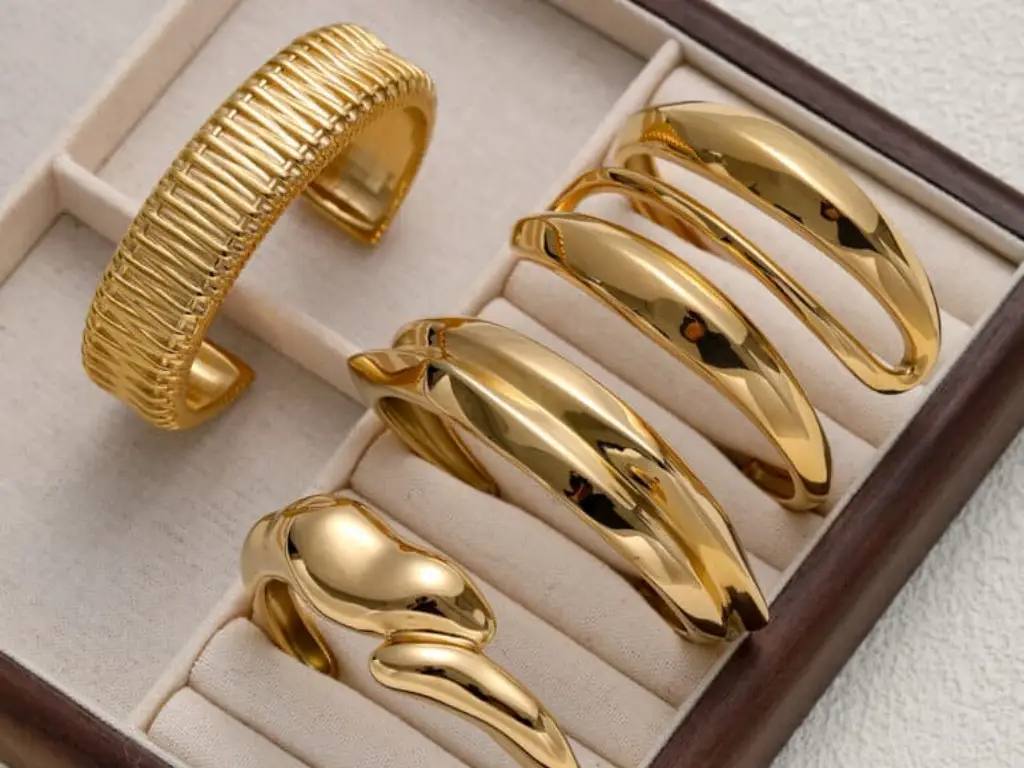
The Aftermath: Can You Replate Faded Jewelry? (Costs & Reality)
Technically, yes. Practically, it depends. Replating isn’t just “painting over” the old stuff. A jeweler has to chemically remove the remaining plating, polish the base metal, and then re-electroplate the metal with a thin layer of gold, which involves a specific amount of gold for optimal results and proper maintenance of the jewelry. This labor intensive process typically begins between $40 to $100.
Unless the base metal is solid 925 Sterling Silver, or the piece is of immense sentimental value, it just makes no financial sense to set realistic expectations and spend $60 to replate a brass ring with a sterling silver base you bought for $30 after frequent exposure to rough surfaces.
Final Verdict: Is Gold Plated Jewelry Really Worth Your Money?
If you are a consumer looking for chunky and trending designs for weekend parties without breaking the bank and avoiding a heavy price tag, then yes, gold plated jewelry pieces of jewelry is fantastic. But, if you want a daily engagement ring that can take the beater and the shower, then skip the cheap brass and look for solid gold pieces or PVD coated stainless steel.
Frequently Asked Questions (FAQ)
Consumer Care FAQ: How to Make Your Jewelry Last
- Can You Shower With Gold Plated Jewelry? (The brutal truth)
- It entirely depends on the base metal and plating method. If your piece is traditional electroplated brass or copper, absolutely not – even a single hot shower will help trap moisture and push tarnishing, as the electric current used in the plating process can deteriorate with exposure to water.
- However, if your jewelry makes use of PVD (Physical Vapor Deposition) gold on 316L Stainless Steel, it is highly water-resistant. You can still occasionally shower with it, although it is recommended that you steer clear of harsh loofahs (friction) and acidic body washes to maintain the shine.
- Is gold vermeil the same as gold plated?
- No. While vermeil is a form of gold plating, it has rigid laws. The base metal must be 925 Sterling Silver (never brass or copper) and the gold layer is usually much thicker (usually at least 2.5 microns). It is a high tier, hypoallergenic alternative.
B2B Buyer’s FAQ: Sourcing & Quality Control
- Does gold plated stainless steel last longer than gold plated brass?
- Yes, significantly. Especially if they are coated with the PVD process, stainless steel is a much harder and corrosion-resistant foundation. Even when the plating eventually wears thin with regular wear, stainless steel won’t react with your skin to make you go green, unlike cheaper brass or copper alloys.
- How to audit the plating quality of a B2B jewelry manufacturer?
- Never take “high quality” as an answer. Demand exact micron specifications depending on the type of jewelry pieces. For low friction items such as earrings, 0.5 to 1.0 microns is acceptable. But for high friction items such as rings or everyday wear bracelets, a minimum of 2.5 microns (FTC standard for Heavy Gold Electroplate) or PVD coating should be used with careful handling to ensure longevity.
- To prevent catastrophic return rates from tarnished products always request third-party XRF (X-ray Fluorescence) plating thickness reporting and 48-hour Artificial Sweat Tests. At Azone Jewelry, these metrics aren’t requests, these are standard operating procedures that come attached to every wholesale batch.
Are You a Jewelry Brand or Designer? Stop Dumping Money on Poor Plating.
As a B2B brand owner or wholesaler you know the brutal truth; poor plating outcomes in 30% return rates, negative reviews and a destroyed brand reputation. You cannot afford to take a guess whether your supplier is actually using 2.5 microns of gold, which offers much better longevity for regular use, or they are just ‘Flash Plating’ your inventory.
Established in 2003, Azone Jewelry is the elite source factory that eliminates your FOMU (Fear of Messing Up). Running a 1500 sqm facility, we are practicing Heavy Gold Electroplating and PVD coatings. We don’t make promises – we give data. Every batch is supported by XRF thickness reports, <3% defect guarantees and an industry-leading 1-2 years plating warranty.


 English
  Spanish
  French
  German