.png.webp)
Introduction
The decision to use brass or stainless steel jewelry determines the life of the product, the safety of the skin, and the cost of production. To the consumers, the incorrect choice of material will lead to skin irritation or a stained neck. To brands, it ensures product returns and a tarnished image. This guide discusses the performance of these two metals in everyday wear. We examine durability, production processes, and hypoallergenic properties to enable you to make very informed buying or manufacturing decisions based on facts.
The Core Differences: Brass and Stainless Steel Explained
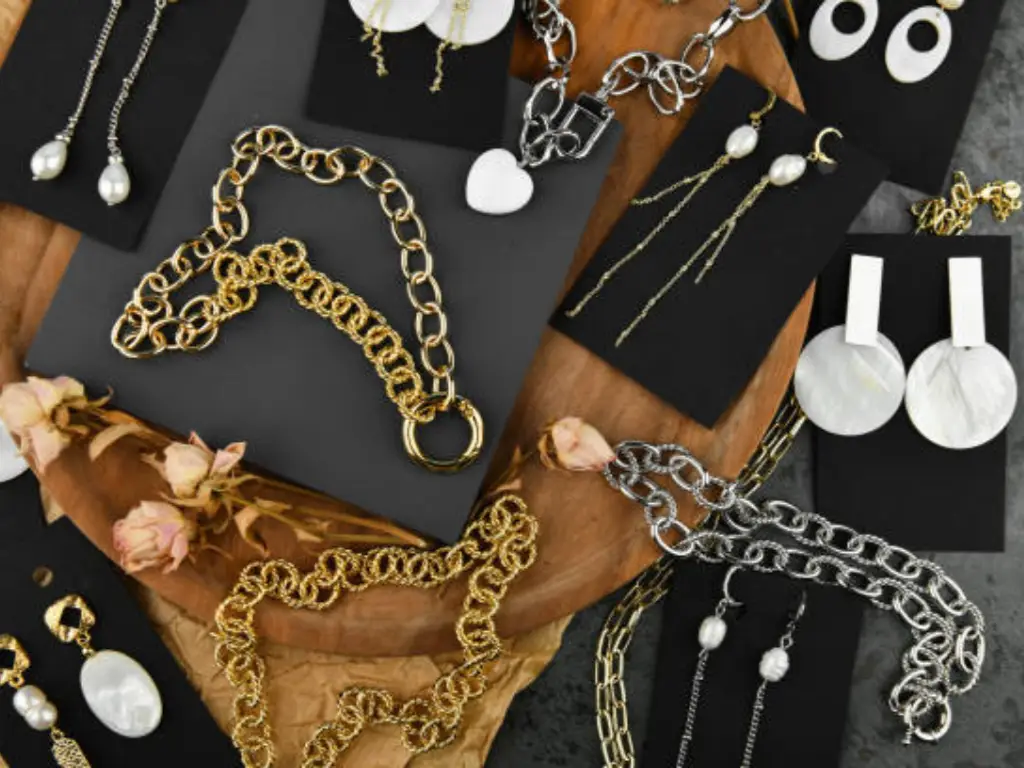
To know the performance of these metals, you should look at their composition and structural properties. Brass is a base metal alloy, which is mainly made of copper and zinc. It is a softer metal, and this gives it high design flexibility. Solid brass or raw brass is often used by manufacturers as it can be cast and molded into complex shapes. It is the most widespread metal historically in low-end fashion accessories. It possesses a warm, rich tone. Stainless steel is a mixture of iron, carbon, and at least 10.5% chromium. The chromium forms a passive layer on the surface, which is invisible and prevents further corrosion. Stainless steel jewelry is commonly made of 316L, also referred to as marine grade steel, because it is highly resistant to adverse conditions.
Both brass and stainless steel are very available materials, unlike pure silver, solid gold, or precious metals at the normal cost of affordable jewelry.
| Feature | Brass | Stainless Steel |
| Base Composition | Copper and Zinc | Iron, Carbon, Chromium |
| Durability | Low to Medium (Prone to scratches) | Extremely High (Scratch-resistant) |
| Corrosion Resistance | Low (Oxidizes rapidly) | Very High (Rust-resistant) |
| Weight | Heavier | Lighter to Medium |
| Workability | Excellent for casting and detail | Difficult; requires high-end CNC/laser cutting |
| Base Color | Yellow/Gold tone | Silver/Grey tone |
| Price / Cost | Very Low (Highly affordable raw material) | Low to Medium (Slightly higher initial cost, superior long-term ROI) |
Water Resistance Test: Will Your Skin Turn Green?
Durability and water resistance are the differences between durable and disposable accessories. Customers who want waterproof jewelry require metals that can withstand sweat and humidity.
Brass fails this test. Its copper reacts with water to produce copper salts, which imparts a green stain to the wearer. This results in a green neck or green skin hence not suitable to be worn on a daily basis. Brass turns skin green and retailers get immediate returns. Moreover, when raw brass or porous brass is exposed to humidity, it forms rusty spots, which immediately transforms products into a rusty relic.
Stainless steel passes flawlessly. Its chromium coating keeps out moisture and oxidation. It can withstand showers and hard workouts, does not form copper salts, and is structurally flawless when subjected to continuous exposure.
Hypoallergenic Factors: Which Metal is Safer for Sensitive Skin?
Market viability is determined by skin safety. Unstable alloys cause skin sensitivity or allergic reactions in many consumers.
Brass frequently causes skin irritation. Alloy compositions are wildly different and tend to conceal nickel, which is the main cause of contact dermatitis. Even nickel-free brass gives off a sharp odor of copper or a metallic odor when its copper content combines with natural skin oils. This smell is the same as that of old pennies or old coins.
On the other hand, 316L stainless steel offers established hypoallergenic characteristics, the same as medical implants. It does not react with human tissue, and does not produce odors. Hypoallergenic jewelry is a rigid functional necessity for buyers whose skin is sensitive. Reputable makers mandate stainless steel to eliminate allergic reactions and guarantee total skin safety.
PVD vs. Electroplating: The Secret to Lasting Gold Color
When people buy gold jewelry, they want the color to be permanent. When the material underneath is a base metal, the gold color is plated. The application process defines the durability of the jewelry pieces.
In the traditional electroplating, electrical currents are used to deposit a thin layer of gold on the base metal. This is the normal procedure of brass jewelry. The connection between the brass and the gold layer is weak because brass is reactive in nature. This plating will be soon removed by friction, sweat, and water.
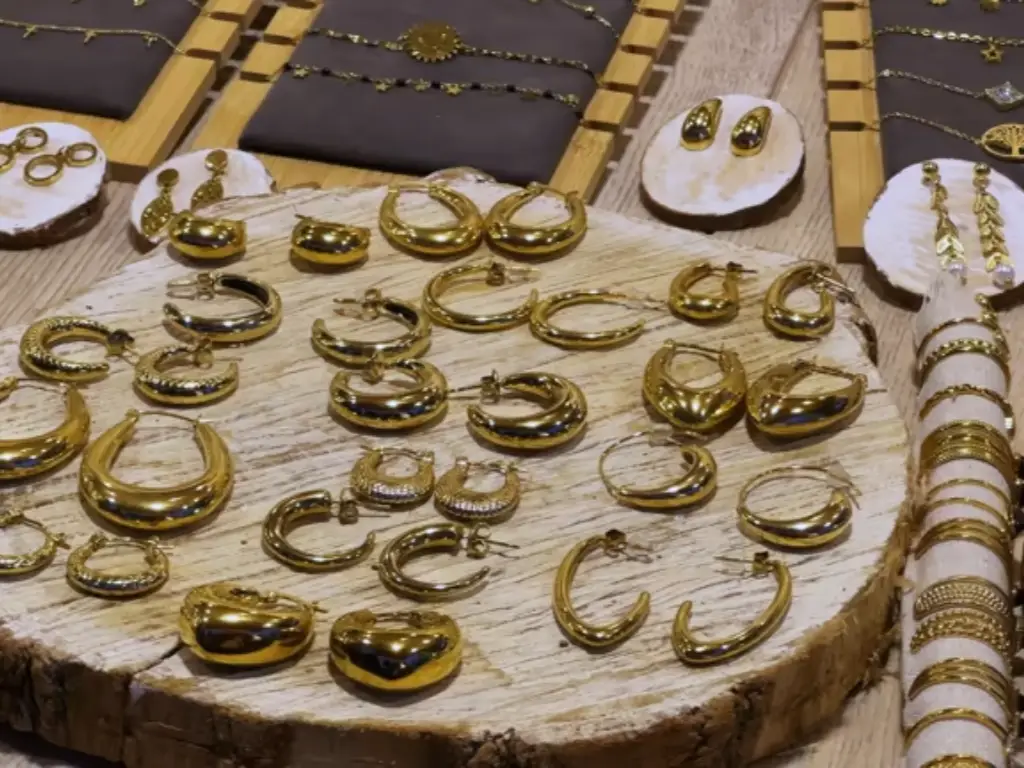
Physical vapor deposition (PVD) is an entirely different process. PVD is carried out in a vacuum chamber. The coating material is vaporized and connects with the base metal at an atomic level. Gold pvd plating on stainless steel produces a very durable, wear resistant gold finish. This is the gold standard of contemporary fashion jewelry.
| Feature | Traditional Electroplating | PVD Coating |
| Application Process | Liquid chemical bath with electrical current | Vacuum chamber atomic bonding |
| Coating Thickness | Varies, usually thin and uneven | Highly uniform and dense |
| Durability | Low (Fades, chips, and peels easily) | Extremely High (Resists wear and friction) |
| Water Resistance | None (Water accelerates fading) | High (Safe for regular water exposure) |
| Lifespan | Weeks to a few months of daily wear | Years of daily wear |
To business owners, fading plating leads to customer complaints and unsellable inventory on the retail jewelry walls. We understand that brand loyalty is driven by durability at Azone. Our stainless steel lines are plated with 18K gold PVD only. Our factory has stringent quality control measures, such as REACH testing, artificial sweat testing, salt spray testing, and tape adhesion testing. Since we have the manufacturing environment under such strict standards, we have a defect rate of less than 3%. More to the point, we offer our B2B customers 1-2 year warranty on plating. By sourcing products that are produced under such strict conditions, you guarantee the reputation of your brand as quality.
Choosing by Jewelry Type: Rings, Earrings, or Necklaces
The decision between brass and stainless steel should be made in accordance with the type of jewelry and the case of its use.
The rings are the most physically frictional. They are subjected to hand washing, hand sanitizers and regular contact with hard surfaces. Brass rings are very troublesome to wear on a daily basis. The plating will soon wear away, and the copper will instantly stain the fingers. The only possible solution to a daily wear ring is stainless steel.
The necklaces are placed directly on the skin, that is, on the chest and neck where sweat gathers. A daily necklace should be skin oil and moisture resistant. Stainless steel averts the feared green neck. But when a designer is designing a very complicated, oversized, or insane statement item that is meant to be worn over clothes only temporarily, say in a particular editorial fashion shoot or a single photoshoot, then brass is the right choice because it is more flexible in design and less expensive.
Earrings introduce another variable: weight. The ear lobes are stretched by heavy earrings. Large brass earrings are physically uncomfortable due to the weight of brass. Stainless steel is lighter and stronger and this enables the manufacturers to make thin hollow structures. Hoop earrings are worn daily and are made of stainless steel, which gives them volume without being too heavy. Brass can be used in novelty products, like a localized halloween costume accessory, where durability is not a factor.
Daily Maintenance: High Effort vs. Zero Care Jewelry
Consumer satisfaction is directly affected by maintenance requirements. Active buyers need jewelry that does not need much care.
Brass jewelry is high-effort. Due to the oxidation process, brass needs to be maintained at all times. It cannot be wiped off with a mere quick wipe of a cloth. The tarnish has to be removed with special metal polishes and chemical cleaners by the owners. They should keep the jewelry in airtight containers with silica gel packets to avoid the humidity accessing the metal. Brass is porous and traps dirt and moisture, which hastens the process of degradation.
Zero-care jewelry is made of stainless steel. It does not need any special cleaning solutions. It does not need airtight storage. It does not require any manipulation by the user to preserve its structural integrity and visual appeal. The consumers will be able to wear stainless steel to the gym, in the shower, and in their daily activities without fear of tarnish resistance. Stainless steel is the most convenient option to sterling silver or silver jewelry that consumers want to use as an alternative.
Final Verdict: Which Jewelry Metal is Right for You?
The data dictates clear operational boundaries for both metals. Align your material choice with your target demographic and product requirements using the following decision matrix.
| Decision Criteria | Choose Brass If: | Choose Stainless Steel If: |
| Primary Use Case | Occasional, ornamental accessories. | Functional, everyday wear. |
| Target Lifespan | Short-term; seasonal fashion trends. | Long-term; demands tarnish resistance. |
| Moisture & Skin Contact | Low; worn over clothing in dry settings. | High; demands absolute skin safety and water resistance. |
| Design Complexity | High; requires casting for intricate designs. | Low to Medium; requires sleek, modern lines. |
| Ideal Product Categories | Oversized statement pieces, heavy brooches. | Rings, daily necklaces, hypoallergenic earrings. |
| Target Audience | Price-driven buyers seeking fast fashion. | Value-driven buyers expecting a great choice for longevity. |
For B2B buyers and jewelry designers, this material choice directly dictates your production line setup.
Azone is an efficient metal processing company that has a 1,500-square-meter facility. We make use of special casting shops to attain high volume production of malleable brass. In the case of exceptionally hard stainless steel, we use special CNC, laser cutting, and stamping workshops. We support your supply chain with 500,000 pieces per month and quick sampling between 7 and 14 days. We provide a flexible MOQ of 50-100 pieces per design to enable independent brands to test both metals in the market without having to commit to such huge inventory overhead. Your newcomers are on retail shelves just in time, designed to the very specifications.
Conclusion
Understanding the factual differences between brass and stainless steel eliminates the guesswork in purchasing and manufacturing. Stainless steel guarantees a long product lifespan, protects against skin discoloration, and withstands the rigors of daily use. Brass offers unique manufacturing advantages for complex shapes but fails under the stress of moisture and friction.
Stop risking your brand reputation on inconsistent manufacturing. Partner with Azone for precision OEM/ODM solutions. Submit your tech packs or 3D designs today. We guarantee comprehensive technical reviews and precise pricing within 24 hours. Leverage our rapid 7-day sampling and low 50-piece MOQ to test markets with zero inventory risk.
Contact us at https://azonejewelry.com/wholesale-jewelry-contact/ to initiate production now.


 English
  Spanish
  French
  German