.png.webp)
What Does Gold Plated Mean? The Truth About Quality, Durability, and Value
You’ve seen the label on a necklace, a ring, or an earring listing: “18K gold plated.” It looks like gold. It’s priced like a bargain compared to solid gold. But what does it actually mean — and more importantly, is it worth buying?
The short answer: gold plated means a thin layer of real gold has been bonded to the surface of a less expensive base metal. But that simple definition hides a world of difference in quality. Not all gold plating is created equal — and the gap between jewelry that lasts three months and jewelry that lasts three years comes down to details most shoppers never learn.
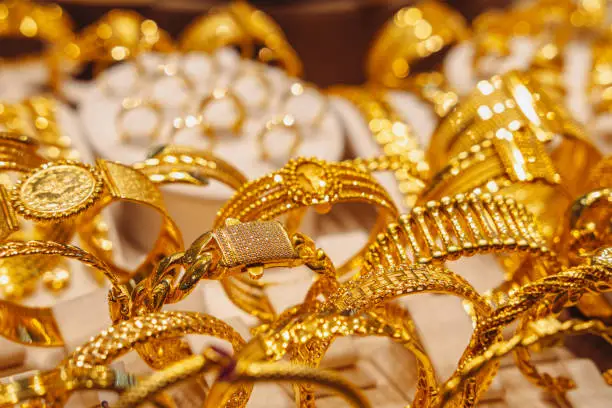
What Is Gold Plated Jewelry — The Simple Definition
Gold plating isn’t one thing — it’s a spectrum of quality. Understanding how the gold gets onto the jewelry is the key to knowing what you’re actually buying.
Gold plating is a manufacturing process called electroplating. A piece of base metal jewelry — typically brass, copper, or stainless steel — is submerged in a liquid solution containing dissolved gold. An electric current is passed through the bath, causing gold particles to migrate and bond to the surface of the jewelry, atom by atom. After the desired thickness is reached, the piece is removed, rinsed, and polished to its final shine.
Think of it less like painting and more like how a magnet pulls iron filings into an even layer — electricity directs the gold where to go, and the result is a genuine gold surface measured in microns (μm). For perspective, a standard gold electroplate layer of 0.175 microns is roughly 1/500th the thickness of a human hair.
The process is regulated. Under the U.S. Federal Trade Commission’s Jewelry Guides (16 CFR Part 23), any item labeled “gold plated” or “gold electroplate” must carry a gold layer of at least 0.175 microns of fine gold at a minimum of 10 karat fineness, applied to all significant surfaces with reasonable durability.
What Those Stamps and Marks Actually Mean
When you flip over a piece of gold-tone jewelry and see tiny markings, here’s what they’re really telling you:
| Mark | Meaning |
|---|---|
| GP / GEP | Gold Plated / Gold Electroplated — a layer of gold (≥0.175μm, ≥10K) over base metal |
| HGE | Heavy Gold Electroplate — a thicker layer (≥2.5μm) for better durability |
| G.F. | Gold Filled — NOT plating. A mechanically bonded gold layer that’s ≥1/20th (5%) of the total metal weight |
| Vermeil | A specific standard: ≥2.5μm of gold over sterling silver (925) |
A stamp that says “18K GP” does not mean the piece is 18-karat gold. It means the thin plating layer used 18K gold — the base metal underneath is still brass, copper, or steel. Think of it like a cake: “18K GP” means the frosting is 18K quality, not that the entire cake is made of gold.
Gold Plated vs. Gold Filled vs. Solid Gold — How They Compare
These four types of “gold” jewelry all look similar at first glance, but their core difference comes down to two things: how much gold is actually there, and how it’s attached to the base.
| Typ | Goldgehalt | Unedles Metall | Gold Layer | Daily Wear Lifespan | Typical Price Range | Am besten für |
|---|---|---|---|---|---|---|
| Standard Gold Plated | <0.05% | Brass, copper, steel | 0.175–0.5μm | 3–12 months | $10–40 | Trend pieces, occasional wear |
| Heavy Gold Plated | ~0.1–0.5% | Brass, copper, steel | 1.0–2.5μm | 1–3 years | $20–80 | Daily wear on a budget |
| Gold Vermeil | ~1–3% | Sterling silver (925) | ≥2.5μm | 1–3 years | $40–200 | Semi-fine, sensitive skin |
| Goldgefüllt | ≥5% | Brass core | Mechanically bonded | 10–30 years | $50–300 | Everyday pieces, heirloom-intent |
| Solid Gold (14K) | 58.3% | None (alloy throughout) | N/A — solid | Lebenslang | $200–2,000+ | Investment, forever pieces |
Gold filled sits in an interesting middle ground. By law (FTC, 16 CFR § 23.3), it must contain at least 1/20th (5%) gold by total metal weight, mechanically bonded under heat and pressure — not electroplated. This makes it dramatically more durable than plating: the gold layer is 50 to 100 times thicker and won’t peel or flake the way electroplate can. If solid gold is a whole-wheat loaf, gold filled is a thick-crust artisan bread, and gold plated is bread with a thin spread of butter on top. They all look golden from the outside — but cut into them and the difference is unmistakable.
Not All Gold Plating Is the Same — How Quality Is Determined
Most articles stop at the comparison table. But the difference between jewelry that fades in three months and jewelry that lasts three years comes down to decisions made at the factory level — decisions most shoppers never learn to ask about.
The Micron Standard — Why Thickness Determines Everything
Microns (μm) are the universal yardstick of plating quality. The thicker the gold layer, the longer it takes to wear through. Here’s what different tiers mean in real-world terms:
| Plating Grade | Thickness | Expected Lifespan | Typische Verwendung |
|---|---|---|---|
| Flash-Plating | <0.175μm | Days to weeks | Ultra-fast fashion, one-time wear |
| Standard Electroplate | 0.175–0.5μm | 3–6 months | Budget fashion jewelry |
| Mid-Grade Plating | 0.5–1.0μm | 6–12 months | High-street retail |
| Heavy Gold Plate | 1.0–2.5μm | 1–2 years | Mid-tier daily wear |
| Premium Plate / Vermeil | ≥2.5μm | 2–3+ years | Designer collections, semi-fine |
But thickness alone doesn’t tell the whole story. Two other factors matter just as much:
The base metal matters. Stainless steel with PVD (Physical Vapor Deposition) plating can outlast brass with traditional electroplating by 3 to 5 times. PVD bonds gold particles at the molecular level in a vacuum chamber, creating a far tougher bond than the electrochemical process used in standard plating.
The underlayer matters. A nickel “strike layer” applied between the base metal and the gold dramatically improves adhesion. Without it, even a thick gold layer can peel like old paint. The best manufacturers apply an underlayer, then the gold, then sometimes a clear protective topcoat — three layers working together.
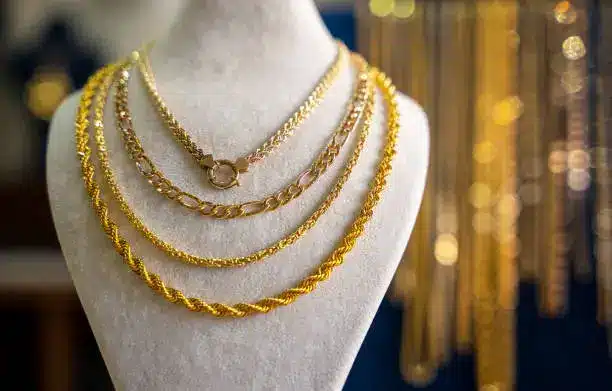
How Professional Manufacturers Ensure Quality
This is where the jewelry industry’s quiet infrastructure lives — and where the gap between a good factory and an average one becomes measurable.
Professional manufacturers run a battery of tests on every production batch. Salt spray testing (per EN ISO 9227:2022) exposes plated pieces to a corrosive mist for 48 hours or more. A good factory’s pieces should show no visible corrosion at 48 hours; budget pieces often fail by hour 24. XRF (X-ray fluorescence) analysis measures the exact gold thickness on every sampling unit without damaging the piece. Adhesion testing pulls on the plated surface with calibrated force to verify the gold won’t separate during normal wear.
Then there are the certifications. A manufacturer supplying the European market must comply with REACH regulations governing chemical safety, including strict limits on nickel release (EN 1811: <0.5 μg/cm²/week). RoHS compliance ensures no hazardous substances in the final product. For brands that prioritize sustainability, GRS (Global Recycled Standard) certification verifies that recycled precious metals are used and traceable through the supply chain. And the strongest signal of all: a manufacturer willing to offer a 1–2 year plating warranty is betting their own money that their quality control is good enough. Most factories won’t.
These aren’t just acronyms — they’re the difference between jewelry that arrives looking perfect and jewelry that still looks good after a year of daily wear.
How Long Does Gold Plated Jewelry Actually Last?
The honest answer: it depends on three things — how thick the plating is, what the base metal is, and how you treat it.
| Wearing Pattern | Expected Lifespan (Standard Plate) | Expected Lifespan (Heavy Plate, ≥2.0μm) |
|---|---|---|
| Daily wear, high-friction (rings, bracelets) | 3–6 months | 1–2 years |
| Daily wear, low-friction (necklaces, pendants) | 6–12 months | 2–3 years |
| Occasional wear (special occasions) | 1–2 years | 3–5 years |
| Ultra-budget / flash plated | Days to weeks | N/A |
Rings and bracelets wear out fastest because they’re constantly rubbing against surfaces, clothing, and skin. Necklaces and earrings last longer because they experience less mechanical friction. But the single biggest variable is still the plating quality — a 0.5μm plate on a ring might look worn after three months of daily use, while a 2.5μm heavy plate on the same ring could still look fresh after two years.
The most common cause of plating failure is friction, followed by chemical corrosion (perfumes, sweat, chlorine) and then oxidation. This is why two identical necklaces can have completely different lifespans depending on who wears them and how.
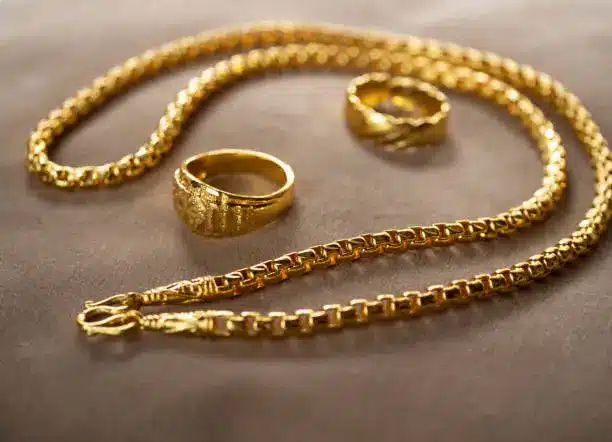
Simple Care Habits That Extend the Life of Gold Plated Jewelry
Treat gold plated jewelry like a silk blouse, not a denim jacket. One simple rule covers most situations: last on, first off — put your jewelry on after all cosmetics, perfumes, and lotions are dry, and take it off first when you get home.
Should You Buy Gold Plated Jewelry? A Practical Decision Guide
After everything we’ve covered, the real question isn’t “is gold plated good?” — it’s “is gold plated right for Ihr situation?”
1. How often will you wear it? If it’s a daily ring or bracelet, skip standard plating and go for heavy gold plate (2.0μm+) or gold filled. The price difference is small, but the durability gap is enormous. If it’s a statement necklace you’ll wear to three events a year, standard plating is perfectly fine.
2. What’s your budget? In the $20–50 range, a well-made heavy gold plated piece is a smart buy — you’re getting the look of gold at a fraction of the cost. If your budget is $200+, consider gold vermeil or gold filled — the price jump buys you dramatically more longevity and often a sterling silver base that’s kinder to sensitive skin.
3. Are you willing to do basic care? If you’re happy following the “last on, first off” rule and wiping pieces down after wear, you can easily double the life of a gold plated item. If you want jewelry you never have to think about, save up for solid gold.
Gold plated isn’t “fake” — it’s a legitimate manufacturing process that uses real gold. Choose the right thickness for your wearing habits, buy from a source that discloses their plating standards, and take care of it. Do those three things, and gold plated jewelry is a genuinely smart choice — not a compromise.
If you’re sourcing gold plated jewelry for your own brand, look for a manufacturer that stands behind their work with measurable quality standards. Azone Jewelry, a Dongguan-based manufacturer with over 20 years of experience, offers 1–2 year plating warranties backed by REACH, SGS, and GRS certifications — the kind of factory-level quality assurance that separates jewelry built to last from jewelry built to a price point. You can contact their team to discuss custom gold plated collections with verified plating specifications.


 English
  Spanish
  French
  German