.png.webp)
Introduction
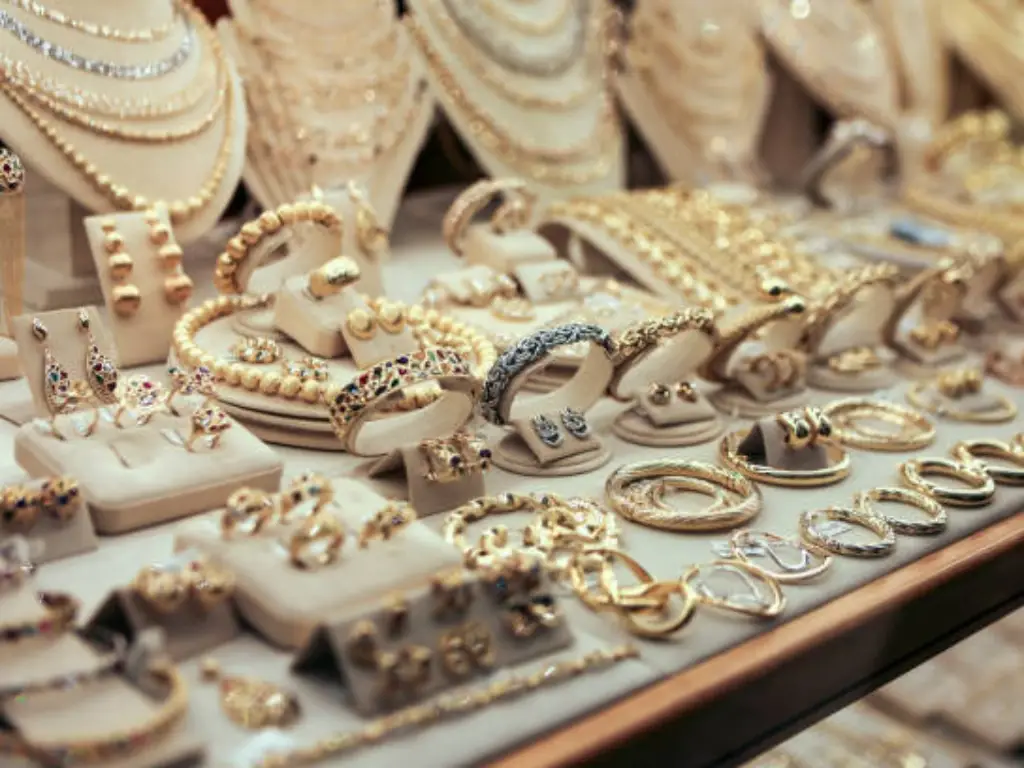
You purchase a beautiful new jewelry, and at the end of the day, you have red, swollen, and itchy skin. To a person with sensitive skin, purchasing accessories is a lot of a gamble. This is why it is a must to know what is meant by hypoallergenic jewelry.
In this guide, we will uncover the hard truth about jewelry metals, explain what triggers these miserable reactions, and teach you exactly how to choose and source the right materials.
What Does “Hypoallergenic” Actually Mean?
We should eliminate the most widespread misconception in the jewelry business. The term hypoallergenic is not a magic formula. By medical and industrial standards, it merely implies that the product is designed in such a way that the risk of an allergic reaction is reduced to a minimum. It refers to the probability of a response being less than normal. This does not imply that it is 100% allergy-free to all the human beings on the planet.
Why? Because your exact skin sensitivity is unique to you. However, a genuine hypoallergenic option offers massive, tangible benefits over standard costume jewelry:
- Skin-Friendly Comfort: It allows you to say goodbye to the swelling, itching, and contact dermatitis that ruins the experience of wearing accessories.
- Everyday Wearability: High-quality hypoallergenic jewelry is designed for daily wear. You can leave it on 24/7, whether you are in the shower, at the gym, or asleep.
- Long-Lasting Durability: The lack of nickel and other cheap reactive metals means these pieces are inherently more resistant to corrosion and oxidation.
What Causes Jewelry Allergies? Metals You Must Avoid
We must first know the problem before we consider the solutions. We have to distinguish two different phenomena first: skin green and skin irritation.
When your skin turns green, then you are normally responding to copper. This is an oxidation process. It is irritating and unpleasant, but it is hardly an allergy. Conversely, if you experience significant redness, swelling, or persistent discomfort, this is often a sign of metal hypersensitivity, commonly triggered by specific reactive alloys.
| Symptom & Experience | The True Cause | Is it Dangerous? | The Solution |
| Noticeable redness, swelling, or persistent itching where the metal touches the skin. | Metal Hypersensitivity: The skin is reacting negatively to a specific alloy, most frequently Nickel. | Yes. Remove the jewelry. Switch to high-quality alternatives like implant-grade titanium, platinum, or high-karat solid gold. | Switch to implant-grade titanium, platinum, or high-karat solid gold. |
| Skin turns green or black, but there is NO pain, itching, or swelling. | Chemical Oxidation: The Copper or brass in the jewelry is reacting to the salt in your sweat or acids in your lotion. | No. It is completely harmless, just visually annoying. | Wash with soap. Opt for rhodium-plated jewelry, or solid metals that do not contain high copper levels. |
These reactions are not left to chance by the top-tier jewelry manufacturers. As an example, the facilities that are leading in the industry perform intensive Artificial Sweat Testing and Salt Spray Testing in the research and development stage. They can replicate the exact chemical conditions of human perspiration and thus create alloys that are resistant to oxidation (green skin) and allergic reactions.
The Primary Culprit: Nickel
Make no mistake: a nickel allergy is almost certainly the most common culprit behind your discomfort. The American Academy of Dermatology cites it as a leading cause of contact dermatitis.
Why is it everywhere? Due to the low cost of nickel and its ability to provide a brilliant shine. It is extensively used as a base in low-quality jewelry. When you sweat, this metal content reacts with moisture and the salts are released and they enter your skin. For individuals with a known sensitivity, even trace amounts of nickel can trigger considerable discomfort and visible skin irritation.
Other Toxic or Allergenic Metals to Avoid
Nickel is not the only offender. When assessing types of metals, you must also avoid:
- Lead: Historically used to make metals heavier and easier to mold. It is highly toxic and entirely unacceptable in modern manufacturing.
- Brass: An alloy of copper and zinc. While not inherently toxic, it oxidizes rapidly and frequently causes mild sensitivities and green discoloration.
- Cheap Metal Alloys: If a brand simply lists “base metal” or “alloy” without specifying the exact hypoallergenic jewelry materials, walk away. This usually means a mystery blend of cheap, reactive metals.
Best Hypoallergenic Metals for Sensitive Skin
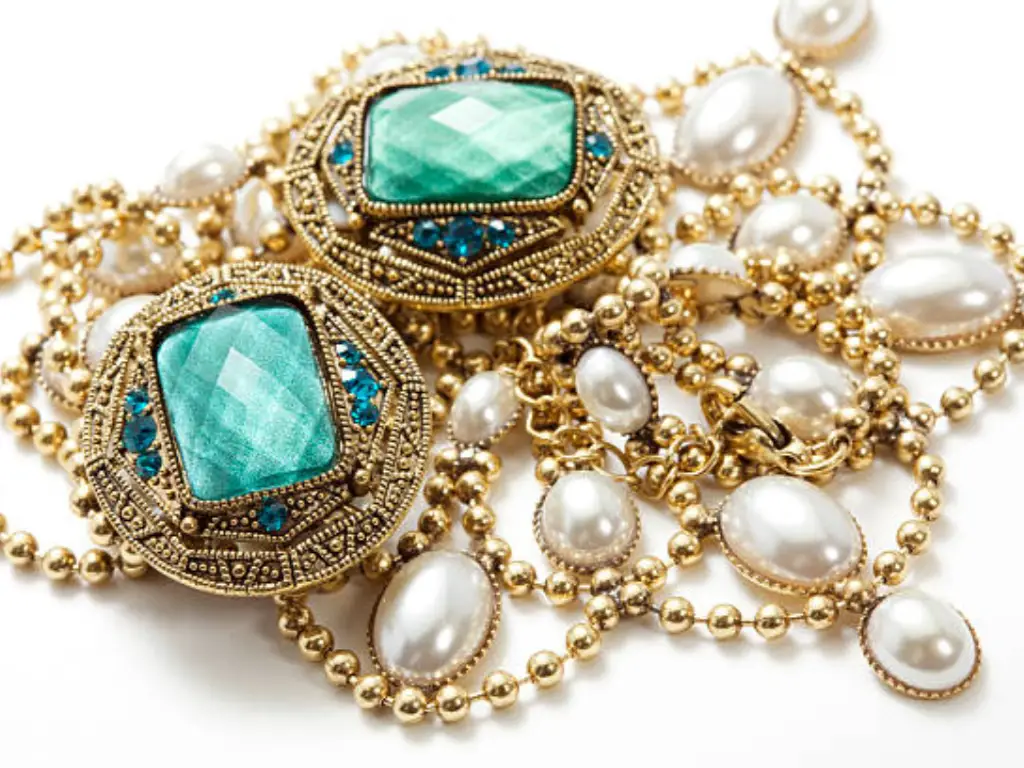
If you want to avoid a reaction, you need to rely on materials proven to work. Here are the excellent options you should look for:
- Surgical Stainless Steel (316L): This is a durable choice and a massive player in the market. It is highly resistant to corrosion and is frequently used in medical implants. While 316L does contain a very small amount of nickel to increase durability, the nickel is so tightly bound within the alloy that it does not leach out, making it a highly reliable and well-tolerated hypoallergenic option for the vast majority of wearers.
- Titanium: If you want an ironclad guarantee against reactions, titanium is it. It is entirely unreactive, incredibly lightweight, and used extensively in medical procedures.
- Solid Gold and Platinum: Pure gold (24K) is too soft for everyday wear, so it is mixed with other metals to create gold jewelry. For sensitive skin, 14K or 18K yellow gold or rose gold are generally safe, as they contain less alloy metal. However, white gold can be tricky; it is often alloyed with nickel to achieve the look of white gold, though it is usually covered by a layer of rhodium plating. Platinum is a premium, entirely hypoallergenic option.
- Sterling Silver: Pure silver (99.9%) is too soft, so sterling silver (92.5% silver, usually 7.5% copper) is created. It is generally a great option for those with metal allergies, provided the remaining 7.5% does not contain nickel. Keep in mind that silver jewelry does require regular cleaning to prevent tarnish.
The Hidden Trap: Why Does Jewelry Cause Allergies Over Time?
The following is a situation that puzzles most people who wear jewelry: You purchase a new jewelry. You put it on three months without any problems. Then, all at once, you get a rash on your skin. What happened? Did you all of a sudden become allergic?
Probably not. You got into the snare of cheap plating.
Conventional water plating is a coating of rusty paint on a car. With time, the top layer which is microscopically thin is worn off by friction, sweat, and exposure to harsh chemicals (such as perfumes and lotions). When the plating breaks, the inexpensive base metal beneath, which is typically loaded with nickel, is in direct contact with your skin.
PVD Plating vs. Traditional Water Plating
Physical Vapor Deposition (PVD) is the answer to hypoallergenic jewelry tarnish and plating failure. PVD is a vacuum coating technique which attaches the color to the base metal on a molecular level. It is infinitely better than conventional water plating. It is ecologically safe, it is extremely strong, and most importantly, it does not need a nickel base layer to stick to it. The danger of a delayed allergic reaction is practically removed by means of a safe base such as stainless steel with PVD plating.
| Feature | PVD Plating | Traditional Water Plating |
| Application Process | Vacuum bonded at a molecular level. | Chemical dip; sits on the surface like paint. |
| Nickel Requirement | Requires absolutely zero nickel to adhere. | Almost always relies on a hidden nickel base layer. |
| Durability | Incredibly durable; resists friction and sweat. | Wears away quickly, exposing reactive base metals. |
| Allergy Risk | Virtually eliminates delayed allergic reactions. | Extremely high risk once the top layer inevitably fades. |
| Eco-Friendliness | Clean, green, and environmentally friendly. | Frequently produces toxic chemical wastewater. |
How to Choose and Test Hypoallergenic Jewelry at Home
If you are a consumer, the easiest way to protect yourself is to read the labels carefully. Do not just look for the word “hypoallergenic.” Look for specific phrasing: “Nickel-Free,” “Lead-Free,” or “Surgical Stainless Steel.” If you are buying fine jewelry, ask for the exact composition.
In case you already have hypoallergenic earrings or other items and you are certain that they are safe, you can test them at home. A nickel testing kit is easily available on the internet. You just have to rub a cotton swab with a certain chemical solution on the metal; in case it turns pink, the part contains a lot of nickel and must be discarded.
The Anatomy of High-Quality Manufacturing Standards
When you are a jewelry brand, your supply chain is your life and death. It is easy to say that a product is hypoallergenic, but it is the challenge to prove it throughout a production run of 10,000 units. Engineering produces high-quality manufacturing, which is a measurable result, and needs the following non-negotiable standards:
- Chemical Compliance: The products should comply with the standards of REACH and ROHS, with a strict limit on the release of nickel, lead, and cadmium to the United States and European markets.
- Simulated Stress Testing: Trustworthy plants use Artificial Sweat Tests and Salt Spray Tests to test that rhodium plating or PVD layers can withstand daily wear in the real world without losing allergens.
- Precision Engineering: The industry average defect rate is 5-10%, but the best manufacturers have less than 3% by using high-precision CNC engraving and carefully controlled plating conditions.
- International Audits: Certifications like SMETA and BSCI are third-party confirmations that technical quality is in harmony with ethical labor and environmental practices.
What to Look for in a Reliable Jewelry Manufacturer
To brand owners and wholesalers, it should not be like walking through a minefield to find a good supplier. In the case of hypoallergenic jewelry sourcing, you need to consider a manufacturer based on four pillars:
- Elastic Customization and Capacity: You require a partner that can accommodate high-volume orders and at the same time one that is ready to accommodate your growth. Seek factories that have their own 2D/3D/CAD design departments, which have a low Minimum Order Quantity (MOQ) – preferably 50 to 100 pieces to do initial test runs.
- Effective Turnaround: In retail, speed is revenue. An effective OEM/ODM partner must be capable of producing custom samples within 7 to 14 days and full mass production within 15 to 30 days.
- Sustainable Practices: Contemporary consumers are concerned about the planet. Collaborate with factories that use GRS-certified recycled silver and gold, provide FSC-certified packaging, and are able to provide transparent environmental impact reports of their plating facilities.
- Assured After Sales Service: In case of a batch failure, who covers it? A reliable manufacturer will provide a transparent warranty on their plating and address quality concerns quickly.
Azone Jewelry has spent over two decades perfecting these exact standards, consistently delivering a sub-3% defect rate across our 500,000-piece monthly capacity. We bridge the gap between high-precision engineering and flexible growth, offering the low MOQs and rapid turnaround times essential for modern brand success. Contact us today to secure your supply chain and receive a detailed quote for your custom designs under a protected NDA.
Partner with Azone Jewelry: Your Global Manufacturing Standard
Azone Jewelry has been functioning as the professional support of world brands since 2003, offering a 1,500-square-meter facility where low nickel content is a non-negotiable minimum. Our defect rate is less than 3% due to accuracy CNC engraving and PVD technology, and all of our jewelry products are always above the standards of REACH and BSCI safety. Your growth is supported by our flexible production with MOQs of 50 units and 1-2 years warranty on plating to make sure that your customers do not feel irritated. Call Azone Jewelry and discuss our GRS-certified sustainable production and turn your design into a hypoallergenic market leader.
Conclusion
The most hypoallergenic jewelry is not by chance but a deliberate design. The only way to counter the frustration of metal allergies is to select the appropriate materials.
Azone Jewelry is the right manufacturer to partner with in case you are a jewelry brand and want to find a manufacturer that considers these strict standards as an absolute minimum. We offer the stability, safety and speed that your brand requires to succeed.
Are you prepared to protect your supply chain? Call Azone Jewelry now to receive a free quote or negotiate your own designs under a secure NDA.


 English
  Spanish
  French
  German