.png.webp)
Introduction
You’ve poured your heart into a new collection, and then are hit with 1-star reviews complaining about “green skin” and broken clasps. In the competitive B2B jewelry market, poor quality of materials isn’t just a design flaw – it’s a brand killer leading to skyrocketing return rates and eroded trust. Choosing a selection results in a problem with inconsistent quality; the issue is beneath the surface, and cleaning pieces gently with a soft cloth can help maintain their appearance.
Understanding what exactly costume jewelry is made of is the distinction between a trendy fashion item that sells for a short time and a high-end brand that can command a hefty margin in the United States. This guide peels away the marketing fluff to expose the actual anatomy of fashion jewelry; the better question regarding the chemical reality of skin discoloration and the industrial standards (such as ISO 3160-2 and ASTM B117) you need to demand from your manufacturer to protect your reputation.
The Anatomy of Costume Jewelry: The 4-Layer Onion Model
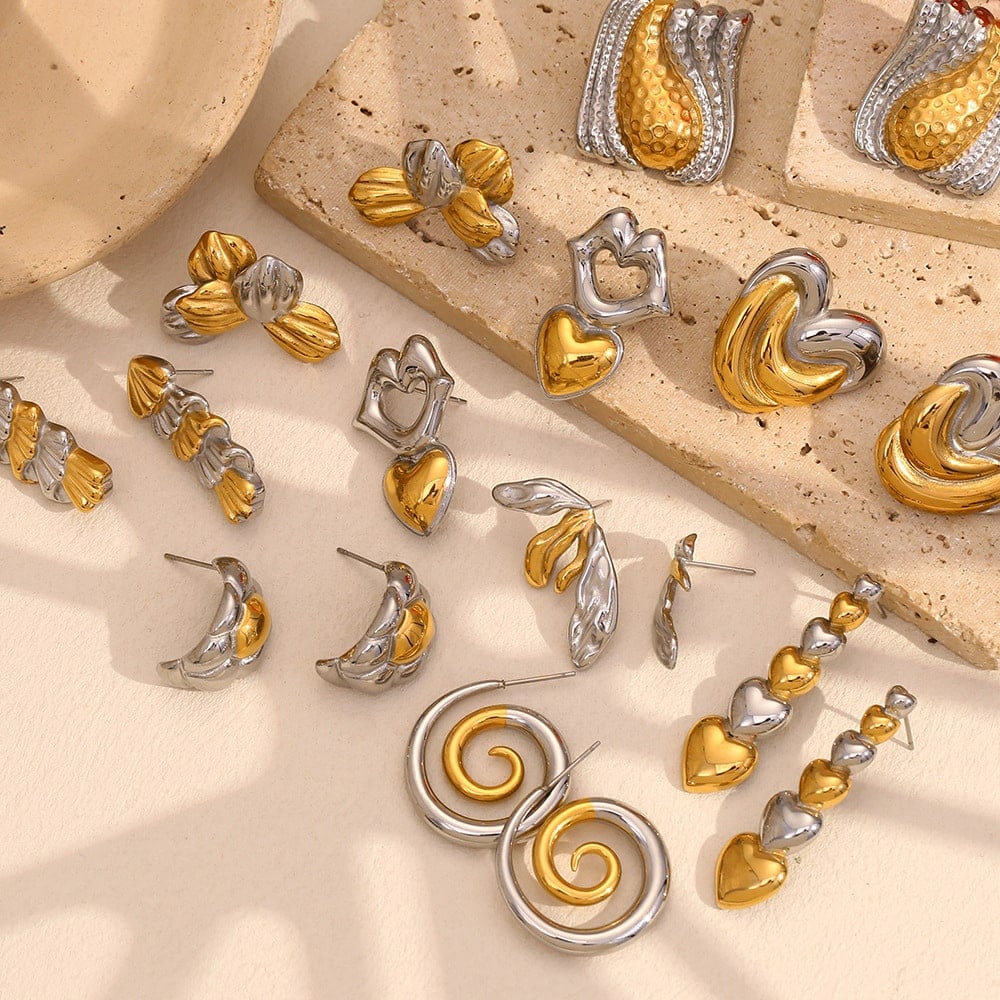
A common misconception of the emerging designer is that jewelry is sculpted from a single, solid material. In reality, professional grade costume jewelry, including imitation gemstones made from less expensive materials, is built like an onion – precisely constructed with each layer performing its own purpose of defense or aesthetics.
When you are holding a well made costume jewelry pieces, you’re not touching the base metal; you’re interacting with a multi-stage engineering shield, similar to the innovative techniques used by fashion icons like Elsa Schiaparelli:
- Layer 1: E-Coating (The Invisible Shield): An electrophoretic clear film that prevents oxidation and wear, ensuring the jewelry maintains its shine even at the sale price.
- Layer 2: Precious Metal Plating (The Luxury Surface): 1-3 microns of real gold or rhodium, along with some precious stones, which gives the premium color.
- Layer 3: Isolation Layer (The Barrier): A thick layer of palladium or copper, which helps prevent the core metal from “swallowing” the gold plating.
- Layer 4: The Base Metal (The Foundation): Determines the weight, durability and complexity of casting of the piece.
Base Metals: Choosing the Right Base for Your Brand
The base of your costume jewellery dictates the physical limits of your jewellery. Can it have intricate 3D details? Will it have an expensive feel in a customer’s hand? A good OEM partner will never go for a one-size-fits-all material, but instead, they reverse engineer the choice of affordable materials and base metal based on your specific aesthetic and market positioning.
| Base Metal | Best Application | Pros | Cons |
| Brass (Eco-Copper) | Common materials for designer rings, intricate European motifs, fine prong settings. | High malleability, satisfying premium weight, traditional “Fine Jewelry” feel. | Requires strict E-coating to prevent oxidation. |
| 316L Stainless Steel | Modern chains, minimalist bands, waterproof “everyday” lines. | Extremely durable, sweat-resistant, inherently hypoallergenic. | Harder to cast into extremely delicate or complex 3D shapes. |
| Zinc Alloy | Chunky statement pieces, oversized fashion necklaces. | Low cost, lightweight, incredible for large 3D casting. | Highly reactive; demands a perfect isolation layer to prevent bubbling. |
The Plating Revolution: Why Some Pieces Last and Others Fade
This is where the battle for the survival of your brand is won or lost. Two pieces of jewelry may appear to be the same out of the box, but without a doubt, one will turn black in a week, while the other, which is an excellent choice with a touch of luxury, will retain its luster for two years. The key to the secret is in the plating tank.
Flash Plating vs. PVD Micron Plating
Many budget factories make use of Flash Plating. This process dips the metal in gold for a matter of seconds, leaving a layer of less than 0.1 microns thick, making it a popular choice for fashion enthusiasts seeking a cost-effective solution. It looks great for a product shoot, but the color starts to wear off the minute it comes in contact with skin friction.
On the other hand, high-end brands require Micron Plating along with PVD (Physical Vapor Deposition) technology to replicate the look of fine jewellery. By applying a measurably thicker layer of real gold (1.0um thickness to 3.0um thickness) in a vacuum environment, the gold is bonded to the metal at a molecular level, which can be achieved at a fraction of the cost of solid gold.
The Azone Advantage: We don’t just “promise” color, we engineer it. With the help of advanced protocols for PVD, we offer a stunning pendant necklace featuring cubic zirconia with a 1 to 2-year plating guarantee to ensure your customers are happy and keep your return rates close to zero.

The “Green Skin” Phenomenon: Turning a Complaint Into Science
It is the most feared customer feedback: “Your ring turned my finger green!”
The Chemical Reality
Let’s debunk a myth: Green skin does not necessarily mean that the jewelry is “toxic” or “fake.” It is a very simple chemical reaction. When the acid from sweat mixes with copper (found on brass and even 14K solid gold alloys for example), anti tarnish copper salts are formed. These salts leave behind a greenish color tint on the skin, especially when exposed to harsh chemicals.
While this reaction is harmless, it has the consumer feel “cheap.” The ultimate prevention strategy isn’t to give up on brass – it’s to use better manufacturing. When a factory carries out the process of the 4-Layer Onion Model perfectly, the sweat doesn’t touch the reactive copper that offers a warm, reddish tone at all. True quality control prevents the chemical reaction at its source.
The Real Danger: Nickel and Lead
While green skin is an aesthetic nuisance, Nickel and Lead are actual safety hazards. Nickel is the industry culprit of 20% of severe skin allergies (itching, blisters) that can even affect current fashion trends. To safeguard your brand, you need to be sure that your supplier is strictly Nickel-Free and Lead-Free.
| Metal Profile | Allergic Risk | Reaction | Industry Status |
| Nickel | Critical | Severe itching, rashes, swelling. | Banned/Regulated. Often used as a cheap plating base. |
| Lead | Toxic | Long-term health hazards. | Banned. Used in old alloys for weight. |
| Eco-Brass | Low | Green tint (not an allergy). | Standard. Safe for most, requires good plating. |
| 316L Steel | Zero | None. | Medical Grade. Ideal for sensitive skin. |
B2B Sourcing: The Hidden Compliance Standards (REACH, ISO, ASTM)
If you are the owner of a jewelry brand and reading this, your manufacturer’s compliance is your insurance policy. In the mature markets of the US and the EU, you aren’t selling jewelry; you are selling compliance, which opens in a new window.
Why Certifications are Your “Safety Net”
Joining forces with an unverified workshop is a huge liability. If your products fail to pass up to international, you risk having your products seized and facing legal lawsuits.
- EU REACH Regulation: Severe restrictions for Nickel, Lead and Cadmium.
- BSCI / SMETA Audits: Demonstrates your factory operates with ethical labor practices – essential for telling today’s brand story.
- GRS (Global Recycled Standard): Allows you to market “Sustainable Jewelry” by using recycled brass or silver.
The “Industrial Torture” Tests
A professional factory doesn’t “guess” quality, they prove it with rigorous internal quality testing. Ask your supplier whether they do the following:
- Artificial Sweat Test (ISO 3160-2): Immersing pieces in artificial sweat for 48 hours. If it goes green here, it’s going to go green on your customer.
- Salt Spray Test (ASTM B117): 48~72 hours in a corrosive salt fog chamber This simulates years of wearing in humid, coastal environments.
- Tape Adhesion Test (ASTM D3359): Tape Ripping Industrial off plating. If the gold flakes off the plating bond is weak.

Choose the Right Manufacturer
Scaling a jewelry brand is not only about beautiful designs but it’s about creating a strong and predictable supply chain. The question is, how do you differentiate the world-class OEM from the unreliable workshops, which may produce items with a cheaper, less durable core? Use this high level buyer’s checklist:
- Rapid Prototyping: Are they able to take a sketch and convert it into a CAD design and produce a physical sample in 7 to 14 days?
- Strict Defect Control: Do they have in-house testing equipment (pull tests, salt spray, wear resistance) to produce a defect rate of less than 3%?
- Scalable Flexibility: Do they allow a low Minimum Order Quantity (MOQ of 50-100 pieces) to allow you to test the market without having to risk massive inventory?
- Verifiable Compliance: Are they able to provide REACH compliance and 360 degree environmental impact reports?
Frequently Asked Questions (FAQs)
Q1: Is Costume Jewelry Worth If You Get A Premium Brand?
A: High-quality costume jewelry enables brands to showcase intricate designs that are on-trend and at an affordable price point. The key is making sure the pieces are engineered with Micron PVD plating and pass the salt spray testsASTM B117. When constructed to these industrial standards, fashion jewelry offers the luxurious appearance and 1-2 year life expectancy of fine jewelry at an affordable cost of solid gold.
Q2: Can I Wear Costume Jewelry in the Shower or While Swimming?
A: Generally, no. While 316L Stainless Steel with PVD plating is very water resistant, traditional brass or zinc-based pieces should be kept in a cool, dry place. Exposure to hot water, chlorine and salts quickly erode the protective E-coating exposing it to oxidation and stone loss. For premium collections, we recommend the “Last On, First Off” rule for maximum life.
Q3: What is the Best Metal for Sensitive skin?
A: For highly sensitive skin, 316L Medical-Grade Stainless Steel is the safest option as it is naturally hypoallergenic. If your design calls for the elegance of brass, make sure your manufacturer is strictly Nickel-Free and Lead-Free and complies to the EU REACH standards. By substituting nickel with a palladium isolation layer, 95 percent of the common allergic reactions are eliminated.
Ready to Up Level the Quality of Your Brand?
Since 2003, Azone Jewelry has been the silent drive behind more than 70% of the designer brands and wholesale partners that we work with. We meet all of the standards on the checklist, a combination of 20 years of craftsmanship, and never compromising on ethical and quality standards, ensuring a full page of quality assurance.
Stop losing customers to poor plating and brittle castings.


 English
  Spanish
  French
  German