.png.webp)
Introduction
Finding the exact necklace trends that will drive consumer demand in 2026 requires more than observing fashion runways. It requires analyzing hard production data and understanding the specific styling problems consumers face daily. Whether you are a consumer updating your personal collection, or a jewelry brand founder planning your next product line, you need factual information. You need to know which designs will sell, which items provide long-term wearability, and how to combine multiple pieces without causing physical tangling or visual clutter.
This comprehensive guide delivers exactly that. The following analysis is based on continuous supply chain data, consumer search behavior, and 23 years of frontline manufacturing experience from top-tier production facilities. By examining the production metrics at Bijoux Azone, a leading manufacturer specializing in custom jewelry since 2003, we can definitively identify the precise items the market is ordering. We will detail the specific physical attributes of 2026’s top styles, provide exact styling formulas for layering, map out neckline compatibility, and explain the manufacturing standards necessary to ensure these products remain durable and profitable.
Here is the definitive guide to what necklaces are in style in 2026, and how to execute these trends successfully.
Top 4 Necklace Trends Dominating 2026 (And How to Wear Them)
Consumer demand in 2026 prioritizes a combination of high-impact visuals and functional daily wear. The market has moved away from delicate, easily broken items toward substantial pieces and individualized designs. These are the four specific categories dominating current production orders across global retail markets.
The Chunky Chain Revival: Bold, Industrial, and Front-Fastening
Thick, heavy-link chains and substantial collar-style necklaces are the primary trend for 2026. Consumers are purchasing oversized curb chains, thick rope chains, and industrial-style hardware measuring anywhere from 8mm to 15mm in width. The most significant functional update to this trend is the front-fastening clasp. Instead of hiding the closure at the back of the neck, designers are utilizing oversized toggle clasps, carabiners, and decorative hooks at the front center of the chest.
Styling Tip: Wear a single, heavy front-fastening chain over a plain, solid-colored t-shirt or a structured blazer. The thick metal provides immediate visual contrast against simple fabrics. Do not add smaller pendants to these heavy chains; the clasp itself functions as the central visual element.
Manufacturing Reality: Heavy chains present specific production challenges. As professional manufacturers at Azone Jewelry, we see that chunky chains are highly susceptible to link separation and clasp failure if not produced correctly. Brands sourcing these items must demand strict pull test data. Proper laser welding at the link joints and high-tension spring mechanisms in the carabiner clasps are mandatory to ensure durability under the weight of the metal. If a factory uses hollow links to save material costs without reinforcing the joints, the product will dent and break during normal wear.
Modern & Baroque Pearls: Breaking the Traditional Rules
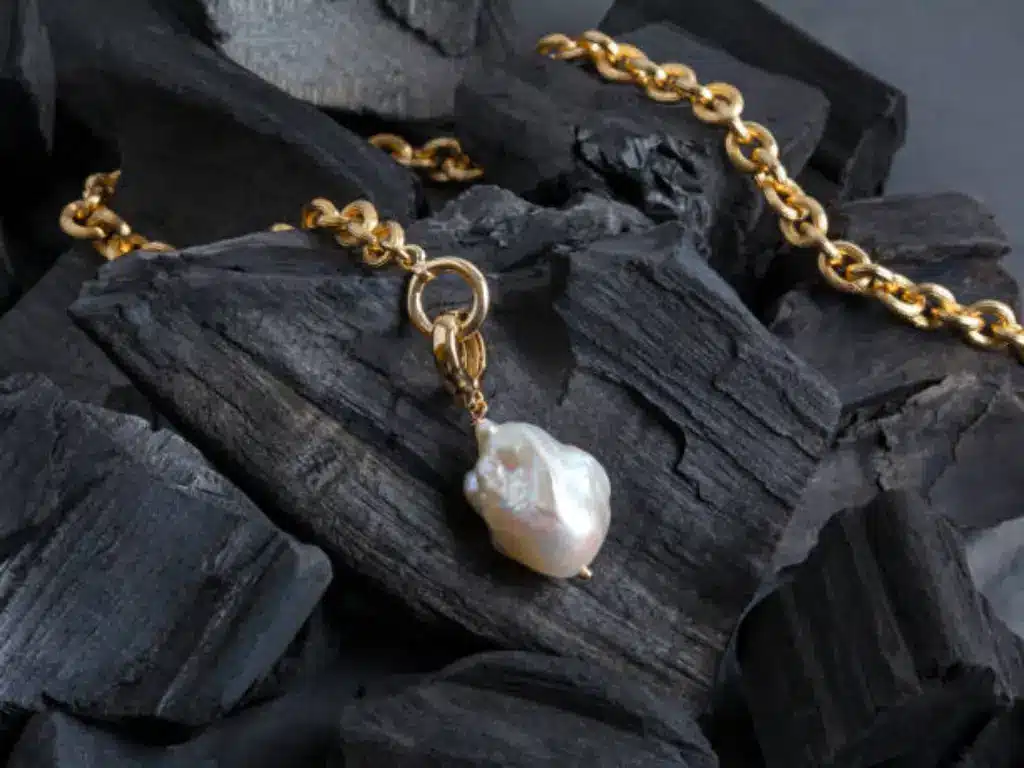
The market has rejected uniform, spherical pearl strands. The 2026 trend focuses entirely on irregular, non-symmetrical baroque pearls, oversized single pearl pendants (often exceeding 12mm in diameter), and hybrid designs that combine pearls with heavy metal chains or leather cords. Consumers want pearls that look organic, unique, and distinctly modern rather than perfectly matched and traditional.
Styling Tip: Pair a large baroque pearl pendant with casual clothing, such as a denim jacket or a basic cotton top. The contrast between the formal material of the pearl and the casual fabric creates the specific aesthetic consumers are currently buying. When wearing hybrid chain-and-pearl designs, keep other accessories minimal to maintain focus on the central piece.
Meaningful Amulets & Personalized Pendants
Consumers are actively purchasing jewelry that displays specific personal information or historical references. This includes large initial pendants, birthstone placements, vintage-style intaglio engravings, and medallion-style amulets. Buyers want pieces that communicate their identity, their family connections, or their personal beliefs. The demand for blank pendants intended for custom engraving has increased significantly.
Manufacturing Reality: Capitalizing on the personalization trend requires extremely fast supply chain reaction times. Custom initials and specific engravings cannot sit in long production queues. Advanced manufacturing facilities now utilize 3D design and CAD drafting to expedite this process. With current technology, a factory can produce a flat-cut sample in exactly seven days, and a fully cast custom sample in just two weeks. Brands must partner with manufacturers capable of this speed to capture the personalization market. Furthermore, precise CNC engraving technology is required to ensure the text or imagery on the amulets is legible and deep enough to withstand daily wear without fading.
The Rise of Gender-Neutral & Men’s Necklaces
The categorization of jewelry by gender is declining rapidly. There is massive consumer demand for necklaces that appeal to all demographics, driven largely by younger consumer bases. This category includes dark steel chains, oxidized silver finishes, glossy black onyx pendants, unpolished natural stones, and thick black cord necklaces. These items are designed to be interchangeable and are frequently marketed as shared accessories within households. The standard length for these gender-neutral pieces typically ranges between 20 inches and 24 inches to accommodate different body types.
Trend vs. Timeless: Investing in Quality and Sustainability
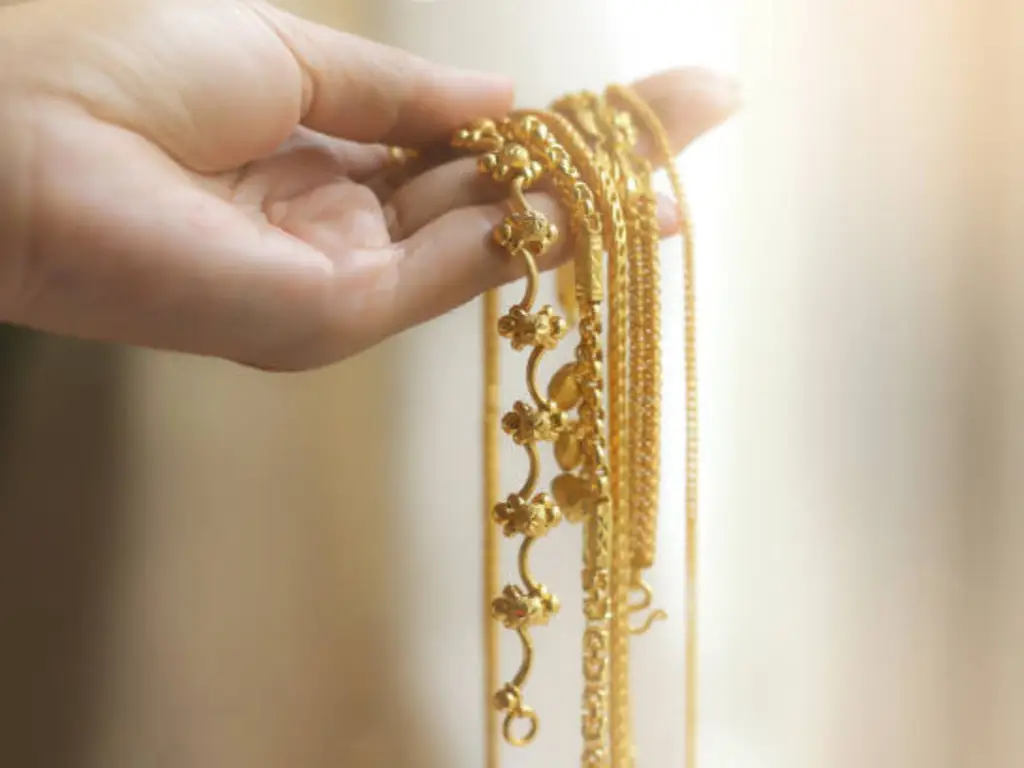
Understanding the difference between a core investment piece and a short-term trend is crucial for both consumers managing a budget and retail brands managing their inventory budgets. Misallocating funds toward the wrong category results in unsellable stock and financial loss.
The Timeless Investments: Base chains (such as simple 14K or 18K solid gold snake chains, box chains, or thin herringbone chains), high-grade baroque pearls, and classic initial pendants represent long-term value. These are daily-wear items. Consumers should invest higher amounts of money in fine jewelry materials for these pieces to prevent skin irritation and ensure longevity. Brands should treat these as core, high-margin inventory, allocating approximately 70% of their purchasing budget to these stable categories.
The Short-Term Trends: Oversized colored resin beads, extremely exaggerated imitation diamond chains, or hyper-seasonal motifs represent temporary fashion movements. Consumers should purchase these in affordable fashion jewelry categories rather than investing in fine metals. Brands should manufacture these items using cost-effective base metals with high-quality plating, turning over this inventory quickly before the trend cycle ends.
The Sustainability Shift (Industry Standard): In 2026, the most critical factor determining long-term value is material sourcing and environmental compliance. Consumers actively check product descriptions for material safety and factory working conditions. Future top-selling items must pass strict REACH testing, ensuring zero nickel release, zero lead, and zero chromium. Furthermore, utilizing GRS-certified recycled gold and silver, packaging products in FSC-certified materials, and operating out of SMETA and BSCI-certified production lines are now mandatory requirements for brands that want to maintain market share. Retail buyers will reject brands that cannot provide a 360-degree environmental impact report.
The Art of Layering: Formulas & Industry Secrets (No More Tangling!)
Layering multiple necklaces is the standard method of wearing jewelry in 2026. However, consumers frequently complain about chains tangling together, resulting in damaged products, scratched plating, and frustration. The solution relies on specific measurements, distinct chain gauges, and the physical laws of gravity, not guesswork.
The “1-2-3” Layering Formula for Beginners
To achieve a visually organized stack of necklaces without overlap, use this exact three-step measurement formula:
- The Base: Start with a 14-inch to 16-inch thin chain or choker. This sits tightly against the base of the neck. We recommend a flat chain, such as a herringbone or omega chain, measuring no more than 2mm in width.
- The Focal Point: Add an 18-inch to 20-inch chain featuring a distinct pendant. This rests on the collarbone or upper chest area. The chain should be a standard cable or rolo link.
- Le Elongation: Finish with a 22-inch to 24-inch heavier chain or a Y-necklace. This pulls the visual focus downward. The gauge of this final chain should be thicker than the base layer, typically between 4mm and 6mm.
Industry Secret: How to Prevent Your Necklaces from Tangling
The primary reason necklaces tangle is that consumers wear multiple chains of the exact same weight, length, and thickness. When chains have identical physical properties, they twist together through normal body movement and friction.
As manufacturing experts, we advise solving this through weight distribution. Ensure that your longest necklace (the one with the pendant) is the heaviest item in the stack. The physical weight of the heavy pendant creates downward tension, utilizing gravity to pull the longest chain straight. This prevents the longest chain from migrating upward and tangling with the shorter, lighter chains.
Additionally, you must mix different chain structures. For example, wear a smooth snake chain next to an interlocking curb chain. Chains with identical link structures will lock into each other. Different metal textures reduce the surface friction that causes twisting.
Mixed Metals: The Golden Ratio of Gold and Silver
The rule prohibiting wearing gold and silver together is obsolete. Consumers actively combine different metal colors in 2026. To execute this correctly and deliberately, use the 80/20 ratio. Choose one primary metal color to constitute 80% of your total jewelry look, and use the second metal color for the remaining 20%. For instance, layer three gold chains with one silver pendant. Alternatively, purchase a single piece of jewelry that is manufactured with both gold and silver components to serve as a visual transition point between your other pieces.
Visual Cheat Sheet: Matching Necklace Lengths to Your Neckline
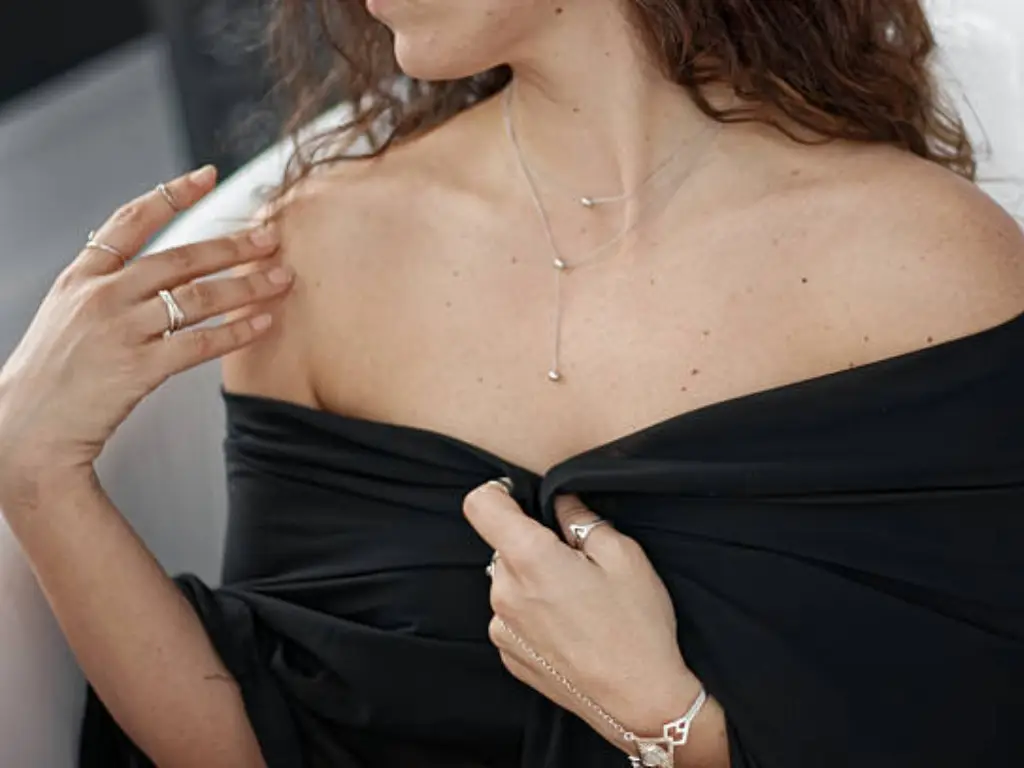
Wearing the correct necklace length with the correct clothing neckline determines the success of an outfit. If the necklace falls exactly on the hem of the shirt, it creates visual clutter. Use this specific text guide to match measurements accurately:
- V-Necks: Match the shape of the clothing. Wear an 18-inch to 20-inch pendant necklace or a Y-necklace. The downward point of the necklace must end exactly one inch above the lowest point of the V-neck fabric.
- Crewnecks: Do not wear long chains over a high, rounded crewneck. Instead, wear a 16-inch to 18-inch necklace that sits directly on the skin, ending exactly one inch above the collar line of the shirt. Alternatively, wear a thick, chunky collar necklace that rests entirely outside and on top of the fabric line.
- Turtlenecks: High necklines require elongation. Wear a 22-inch to 24-inch chain with a large, statement pendant. The chain must hang low over the chest to break up the solid block of fabric. Do not wear 14-inch or 16-inch chokers with turtlenecks.
- Square Necks and Strapless: These necklines leave a large amount of exposed skin on the chest. Utilize a 16-inch statement collar or a layered combination that fills the negative space. The longest necklace should not touch the fabric of the square neckline.
- Button-Down Shirts: Unbutton the top two buttons to create a narrow V-shape. Wear a delicate 15-inch choker paired with an 18-inch pendant that rests inside the open collar, directly on the skin.
Behind the Shine: Why Manufacturing Quality Defines Your 2026 Success
Excellent design is irrelevant if the physical product fails under daily use. The 2026 trends—specifically the heavy chains, front-fastening clasps, and mixed metal layering—place significant physical stress on jewelry components. For jewelry brands, inadequate manufacturing directly results in high return rates, customer complaints, and severe profit loss.
The heavy friction from layering multiple chains quickly degrades low-quality metal plating. To succeed in 2026, brands must demand rigorous testing protocols from their factories. A standard production run must include exact electroplating thickness measurements, artificial sweat testing, tape testing for plating adhesion, and extensive salt spray testing to prevent oxidation and color fading.
Factories must execute precise production workflows. This includes low-defect mold casting (maintaining a rejection rate below 3 percent), meticulous CNC engraving, secure stone-setting, and thorough polishing before any item is boxed. A responsible manufacturing partner will provide a one-to-two-year warranty on electroplating, ensuring the retail brand can sell its inventory with total financial confidence.
Conclusion & Ready to Build Your 2026 Collection?
The 2026 necklace trends demand substantial designs, exact layering techniques, personalized details, and verifiable environmental sustainability. Consumers know exactly what they want to buy, and they expect durable, high-quality products that meet international safety standards. Delivering these products requires precise engineering and dependable supply chains.
If you are a jewelry brand, wholesaler, or designer looking for a highly capable manufacturing partner to produce your 2026 inventory, Bijoux Azone is fully equipped to deliver.
Operating since 2003, Azone Jewelry specializes in the high-quality manufacturing of custom jewelry and fashion accessories. We operate a 1,500-square-meter facility equipped with specialized departments for laser cutting, stamping, CNC machining, laser welding, and manual assembly. We provide the exact infrastructure necessary to scale your brand profitably:
- Flexible Order Sizes: We support low Minimum Order Quantities (MOQ) of 50 to 100 pieces. This allows brands to test new 2026 designs in the retail market with minimal financial risk before committing to large volume orders.
- Fast Production Speeds: We deliver flat-cut product samples in 7 days, fully cast samples in 2 weeks, and complete full production bulk orders in 15 to 30 days.
- Strict Quality Control: We guarantee a defect rate of less than 3%. Our facility executes comprehensive quality assurance testing on every order, including REACH compliance testing, strict pull tests for chain durability, and comprehensive salt spray tests for plating longevity. We provide a 1-to-2-year warranty on our electroplating.
- Complete Sustainability: We utilize recycled gold and silver materials, package items in FSC-certified materials, and operate under SMETA, BSCI, and GRS certifications.
- Reliable Delivery: We ship globally via DHL express, ensuring a 2-to-3-day transit time from our factory to your distribution center.
Do not risk your brand’s reputation on unverified suppliers. Contact Bijoux Azone today to book a free design consultation. Send us your 2D sketches, 3D files, or CAD drawings, and let our team of professionals—averaging over 10 years of individual jewelry production experience—manufacture your next highly profitable collection.


 English
  Spanish
  French
  German