.png.webp)
Introducción
You own costume jewelry. You likely wear it frequently, and over time, it has accumulated dirt, oil, and oxidation. You want to clean it. However, if you apply the cleaning methods meant for fine jewelry—such as solid gold, platinum, or sterling silver—to costume jewelry, you will cause permanent damage.
Costume jewelry requires a highly specific, very gentle cleaning process. If you use harsh chemicals, abrasive materials, or excessive moisture, you will dissolve the adhesives holding the stones in place, or you will strip away the thin layer of electroplating that gives the jewelry its color.
This guide provides the exact, literal steps you must take to clean your costume jewelry safely. It also provides business owners and jewelry brands with the factual manufacturing standards required to prevent these issues during production. Read this entire guide before you apply any liquid or tool to your jewelry.
Why Costume Jewelry Needs a Completely Different Cleaning Approach
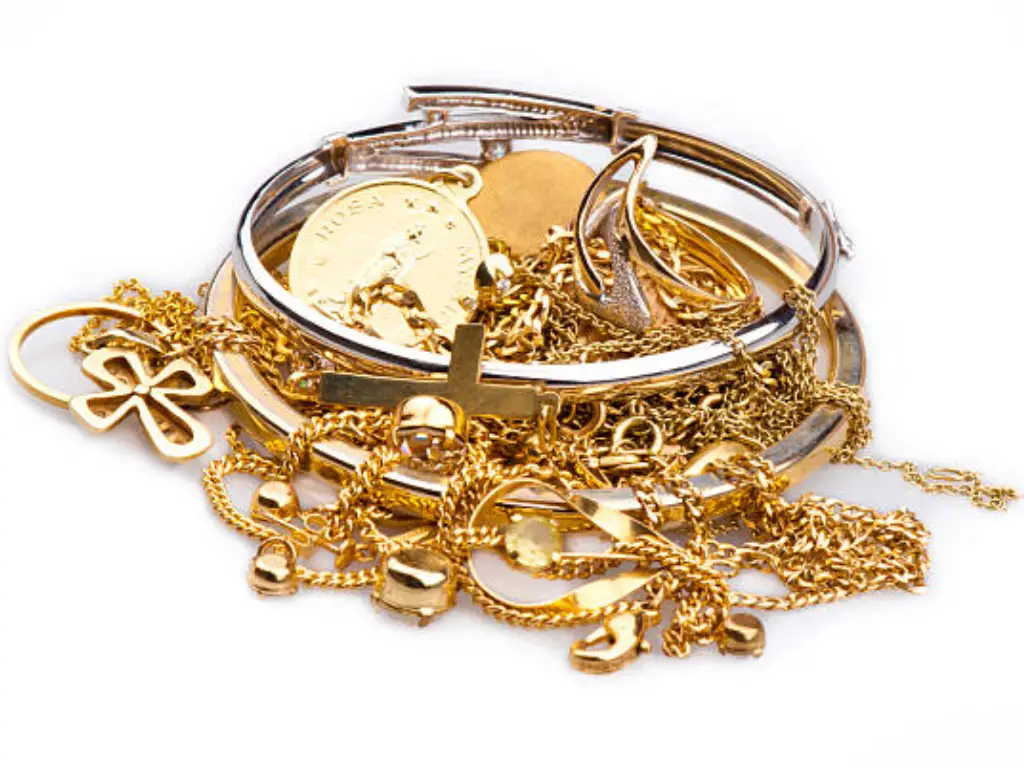
To understand how to clean costume jewelry, you must first understand how it is manufactured. Fine jewelry is made of solid precious metals. Costume jewelry is constructed from inexpensive base metals, primarily brass, copper, or nickel alloys.
Manufacturers then apply a micro-layer of gold or silver plating over this base metal to improve the appearance. This plating layer is exceptionally thin, often measuring only a few microns. Because it is thin, it is highly susceptible to chemical reactions and physical abrasion.
Additionally, the stones used in costume jewelry are rarely secured by metal prongs. Instead, manufacturers use acrylic or glass stones (rhinestones) and secure them to the base metal using cyanoacrylate adhesives or standard industrial glues.
When you expose cyanoacrylate adhesive to hot water or chemical solvents, the structural integrity of the glue fails. The adhesive hydrolyzes, turns soft, and the stones detach from the metal base. When you expose the thin metal plating to acidic substances or abrasive powders, the plating physically wears away, exposing the dark, reactive brass or copper underneath.
Therefore, you cannot treat costume jewelry like fine jewelry. You must use methods that do not degrade the glue and do not scratch the plating.
Step 1: The 3-Second “Material Diagnosis” (Do This Before Cleaning!)
Do not apply any cleaning solution until you have visually inspected the specific piece of jewelry. Different materials require different handling. Look at your jewelry and assess the following three conditions:
- Are there glued stones or rhinestones present? Look closely at the settings. If you do not see small metal claws (prongs) wrapping over the edges of the stones, the stones are glued. If the stones are glued, you must use the “No-Water Spot Treatment” method. You cannot submerge this item in any liquid.
- Is the surface turning green? A green substance on the metal is called verdigris. This is a specific chemical reaction (copper oxidation) that occurs when the copper in the base metal reacts with moisture and the oils from your skin. If you see verdigris, you must use a dry physical removal method before applying any cleaning agents.
- Is the base metal showing through the plating? Look at the edges and the areas that contact your skin. If the piece was originally gold-colored but now shows a dull, reddish-brown copper color or a dark grey nickel color in certain spots, the plating has worn off completely. Cleaning will not restore the gold color.
Based on this diagnosis, you will select the exact method described in the sections below.
The “Mythbusting” Truth: Cleaning Methods That Actually RUIN Fake Jewelry
There is a large volume of incorrect information available regarding jewelry cleaning. Many popular tutorials recommend household items that cause immediate chemical and physical damage to costume jewelry. You must avoid the following methods entirely.
Why Lemon Juice, Vinegar, & Baking Soda Can Be Dangerous
Lemon juice and white vinegar contain high concentrations of citric acid and acetic acid. Acidic solutions are effective at removing tarnish from solid sterling silver. However, when you apply acid to the thin electroplating on costume jewelry, the acid initiates a rapid chemical reaction that strips the plating away from the base metal. You will permanently lose the gold or silver finish.
Baking soda is a mild abrasive. When you rub baking soda paste onto costume jewelry, the tiny, hard particles physically scratch the surface of the plating and the surface of acrylic stones. Over time, these micro-scratches remove the plating completely and cause the faux stones to look cloudy and dull.
The Hot Water & Ultrasonic Cleaner Trap
You must never use hot water on costume jewelry. Hot water causes the metal base to expand rapidly. This thermal expansion breaks the bond between the metal and the rigid glue holding the stones. Furthermore, hot water accelerates the degradation of the adhesive itself.
Ultrasonic cleaners are machines that use high-frequency sound waves to create microscopic bubbles in a liquid bath. When these bubbles collapse, they create a high-pressure force that removes dirt. This force is too strong for costume jewelry. The vibrations will physically dislodge glued stones, and the liquid bath will compromise the adhesive.
The Safest Way to Clean Costume Jewelry: The “Dab, Don’t Soak” Method
If your jewelry only requires standard cleaning to remove skin oils, cosmetics, and everyday dust, you must use the most gentle process possible. The objective is to apply minimal moisture and zero abrasion.
The Tools You Need:
- A clean, soft microfiber cloth.
- Cotton swabs (Q-tips).
- A soft-bristle baby toothbrush.
- One drop of mild, unscented dish soap.
- A small bowl of room-temperature water.
The Cleaning Procedure:
- Prepare the Solution: Dispense exactly one drop of the mild dish soap into the bowl of room-temperature water. Stir the water gently to mix the soap. Do not create excessive lather.
- Dampen the Tool, Do Not Submerge the Jewelry: Dip the tip of a cotton swab or the very edge of the baby toothbrush into the soapy water. Tap the tool against the edge of the bowl to remove excess liquid. The tool should be slightly damp, not dripping.
- Apply the “Dab, Don’t Soak” Technique: Gently dab the damp cotton swab or brush onto the surface of the jewelry. Move the swab along the edges of the stones and the crevices of the metal. Do not press hard. You are transferring the dirt from the jewelry to the swab. If the swab becomes dirty, discard it and use a new one.
- Wipe Clean: Immediately after cleaning a small section, use a dry section of the microfiber cloth to wipe away the moisture and the lifted dirt.
- Ensure Total Dryness: Moisture is the primary cause of oxidation. After you have cleaned the entire piece, dry it completely with the microfiber cloth. You may use a hairdryer set to the “cool” or “no heat” setting to force air into the small crevices and evaporate any remaining microscopic water droplets.
Advanced Rescues: Fixing Tarnished or “Green” Fake Jewelry
If your costume jewelry has developed severe oxidation or green copper rust, the basic soap method will not be sufficient. You must apply targeted treatments.
Safely Removing “Green Gunk” (Verdigris) Without Liquid
Verdigris is the green substance that accumulates on brass and copper alloys. Because verdigris is worsened by moisture, you must remove it using a dry method.
Take a wooden toothpick or a completely dry, stiff-bristle toothbrush. Gently scrape the tip of the toothpick against the green accumulation. The verdigris is usually brittle and will flake off the metal. Work slowly and carefully to avoid scratching the surrounding plating. Once you have physically dislodged the green flakes, use a dry microfiber cloth to wipe the debris away. Do not apply water to the area afterward, as this will restart the oxidation process.
What to Do When the Plating is Already Gone (Honest Advice)
If the plating has been physically worn away by friction or chemical damage, exposing the dull base metal beneath, no cleaning method will restore the original finish. Cleaning removes dirt; it does not replace missing metal.
If you encounter this, you have two literal options. First, you can take the jewelry to a professional electroplating facility and pay them to re-apply a layer of gold or silver. Second, if the item is inexpensive, you can accept the altered appearance or discard the item. No household cleaning product can reverse plating loss.
How to Keep Costume Jewelry from Tarnishing (Everyday Care)
Preventing damage is far more effective than attempting to reverse it. You can extend the lifespan of costume jewelry significantly by controlling how you wear and store it.
Proper Storage & The “Last On, First Off” Rule
Oxygen and humidity cause base metals to tarnish. To prevent this, you must limit the jewelry’s exposure to the air.
Store your costume jewelry inside small, airtight plastic bags (such as Ziploc bags). Place the jewelry inside the bag, press the plastic flat to force out as much air as possible, and seal the closure tightly.
When wearing the jewelry, adhere to the “Last On, First Off” rule. Chemicals in cosmetics, perfumes, hairsprays, and sunscreens will degrade electroplating. Therefore, you must apply all of your cosmetics and allow them to dry completely on your skin before you put on your jewelry (Last On). At the end of the day, you must remove your jewelry before you wash your face or apply skincare products (First Off).
The Clear Nail Polish Trick (Done Right)
If rings or bracelets consistently turn your skin green, this means the acidic oils in your skin are reacting with the copper in the base metal. You can stop this chemical reaction by creating a physical barrier between the metal and your skin.
Purchase a bottle of clear, transparent nail polish. Paint a thin, even layer of the clear polish on the inside surface of the ring or the back surface of a pendant—specifically the areas that make direct contact with your skin. Allow the polish to dry completely for 24 hours before wearing the item. The polish acts as a sealant. Do not apply the nail polish to the visible front of the jewelry or over rhinestones, as the chemicals in the polish will make the stones appear cloudy.
The Ultimate Prevention: Why Manufacturing Quality Matters (For Jewelry Brands)
If you are a consumer, the methods above represent the maximum effort you can exert to maintain costume jewelry.
However, if you are a B2B jewelry brand owner, an e-commerce seller, or a retail buyer, you must understand a critical business fact: no amount of careful cleaning by your customer will save a product that was manufactured with substandard plating and low-grade adhesives.
When your customers complain that your jewelry is turning their skin green, that the stones are falling out after one week, or that the gold color fades immediately, the fault does not lie with their cleaning habits. The exact cause is inferior manufacturing. To eliminate these customer service complaints and protect your brand reputation, you must upgrade your supply chain and partner with a manufacturer that utilizes rigorous testing standards.
The Secrets of Long-Lasting Costume Jewelry
High-quality costume jewelry looks identical to low-quality costume jewelry on a computer screen. The difference is entirely in the physical manufacturing process and the quality control testing.
Reputable manufacturing facilities test their products before shipping them to brands. They perform the Artificial Sweat Test, where the jewelry is exposed to a chemical solution that replicates human sweat, to ensure the plating does not dissolve. They perform the Salt Spray Test to measure exact corrosion resistance over specific time intervals. They perform physical Pull Tests to ensure the cyanoacrylate adhesives have cured correctly and the stones will not detach under normal physical stress.
Furthermore, responsible manufacturing requires strict adherence to international safety and environmental standards. The base metals and plating materials must comply with REACH, SGS, and ROHS standards. This guarantees that the nickel release levels are within legal limits and that the jewelry does not contain toxic levels of lead or cadmium. This compliance protects the consumer’s health and protects your business from legal liability.
Stop Tarnishing Issues at the Source with Azone Jewelry
If you are a jewelry brand experiencing high return rates due to tarnishing and structural failures, you need a manufacturing partner capable of meeting precise technical specifications.
Joyería Azone has operated as a specialized manufacturer of custom jewelry and fashion accessories since 2003. We provide brand owners with consistent, high-quality production that directly solves the problems of rapid tarnishing and lost stones.
We operate a 1500-square-meter facility equipped with comprehensive production departments, including CNC machining, laser cutting, stamping, polishing, and electroplating. By controlling the entire production process internally, we maintain strict oversight over the materials and the assembly techniques.
Our business model is designed to support both emerging brands and established companies. We offer the following specific manufacturing advantages:
- Verified Quality Control: We guarantee a defect rate of strictly less than 3%. Every batch of jewelry undergoes comprehensive testing, including plating thickness measurement, artificial sweat testing, and wear resistance testing.
- Reliable Plating Warranty: We apply industry-standard electroplating techniques designed for durability. We provide a 1-to-2-year warranty on our plating, ensuring your customers receive a product that maintains its color.
- Low Minimum Order Quantities (MOQ): We support small batch production. Our MOQ is between 50 and 100 pieces, allowing you to test new designs in your market without tying up capital in large inventory volumes.
- Creación rápida de prototipos and Production: We provide 2D, 3D, and CAD design services. We generate physical samples within 7 to 14 days. Once you approve the sample, we complete full production of the final order within 15 to 30 days.
- Certified Compliance and Sustainability: Our facility holds SMETA and BSCI certifications. We use recycled gold and silver materials that meet GRS standards, and we utilize FSC-certified packaging. We operate with a 360-degree environmental impact assessment for our electroplating processes.
Stop relying on manufacturers who produce jewelry that fails after a week of use. Partner with a factory that uses correct engineering principles and verified materials.
Contact Azone Jewelry today to submit your design requirements and receive a precise production quote.
Frequently Asked Questions (FAQs) About Cleaning Fake Jewelry
Can I use toothpaste to clean costume jewelry? No. Toothpaste contains silica and other physical abrasives designed to polish human tooth enamel. If you rub toothpaste onto costume jewelry, the abrasives will permanently scratch the thin metal plating and dull the surface of any faux pearls or acrylic stones.
How do you clean fake gold jewelry that turned black? First, clean the jewelry using the mild dish soap and water method described above to remove surface dirt. If the black color remains after cleaning, the item has not just accumulated dirt; the gold plating has oxidized or completely worn away, exposing the tarnished base metal beneath. You cannot reverse this process with cleaning solutions.
Does rubbing alcohol damage fake jewelry? Yes. Isopropyl alcohol is a strong solvent. While it evaporates quickly and will not rust the metal, the alcohol will chemically react with acrylic stones, plastic components, and certain adhesives. Applying rubbing alcohol to faux stones will cause the transparent plastic to become permanently cloudy and white. Keep alcohol away from costume jewelry.


 English
  Spanish
  French
  German