.png.webp)
What Is PVD Jewelry? The Durable Plating Technology That’s Changing Everyday Accessories
Wondering if that “18K Gold PVD” jewelry is actually waterproof and as durable as it sounds? PVD (Physical Vapor Deposition) is a high-tech vacuum coating process that bonds metal at the atomic level. Unlike traditional electroplating, it creates a finish that is genuinely waterproof, safe for sensitive skin, and up to 10 times more durable. Here’s everything you need to know before you buy.
01 · What Is PVD Jewelry?
PVD stands for Physical Vapor Deposition. Originally developed for aerospace and industrial tooling, where coatings need to survive extreme temperatures, friction, and corrosion, the technology eventually made its way into the jewelry industry. And for good reason.
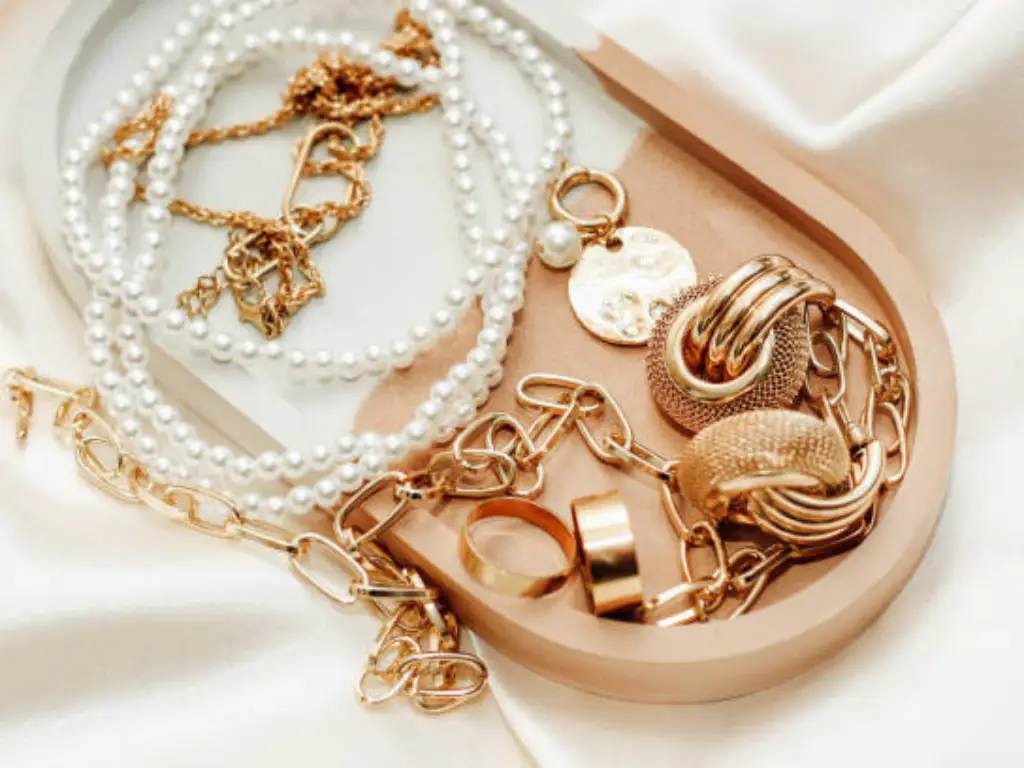
In plain terms, PVD jewelry is jewelry whose surface has been treated with a microscopically thin but incredibly dense layer of metal (typically gold, rose gold, or black titanium compound) inside a vacuum chamber. Unlike traditional electroplating, where metal particles simply “sit” on the surface like paint on a wall, PVD particles embed into the base material at the atomic level. The difference between a sticker and a tattoo is a useful comparison: one peels off, the other becomes part of you.
The base metal is almost always stainless steel (specifically 316L surgical-grade). This provides corrosion resistance underneath while the PVD layer handles color and scratch resistance on top. Together, they create a piece of jewelry that looks premium, costs far less than solid gold, and stands up to daily life in ways traditional plating simply cannot.
02 · How Does PVD Compare to Traditional Gold Plating?
Before you decide whether PVD is right for you, it helps to know what you’re comparing it against. The choice between PVD, electroplating, gold-filled, and other options comes down to three questions: How long do you want it to last? Where will you wear it? And what’s your budget? Keep these in mind as we walk through the comparisons.
PVD Plating vs. Electroplating — What’s Fundamentally Different?
Traditional electroplating is a wet chemical process. A base metal (usually brass or a cheap alloy) is dipped into a solution containing gold ions, and an electric current deposits a thin layer of gold onto the surface. That layer typically measures around 0.5 microns thick and adheres purely through surface tension. There is no molecular bond.
PVD, by contrast, is a dry vacuum process. The jewelry piece is placed in a sealed chamber, the air is evacuated, and solid source material (gold, titanium, or zirconium) is vaporized into a plasma. These vaporized particles then strike the jewelry surface and bond at the atomic level. The process often includes a titanium nitride (TiN) intermediate layer that boosts hardness dramatically.
| Dimension | Galvanoplastia tradicional | Revestimiento PVD |
|---|---|---|
| Bond type | Surface adhesion only | Atomic-level fusion |
| Gold layer thickness | ~0.5 microns | 0.03–0.08 microns (but far denser) |
| Hardness (Vickers) | 100–200 HV | Up to 2,500 HV |
| Typical lifespan | 3–6 months before visible fading | 2–5 years with daily wear |
| Environmental impact | Chemical baths, hazardous waste | Dry process, no toxic chemicals |
| Water resistance | Poor — keep dry | Excellent — shower, swim, gym |
The irony is that PVD uses less gold by volume but delivers dramatically better performance. The secret isn’t how much material is applied. It’s how it’s applied.
PVD vs. Gold-Filled — Which Lasts Longer?
Gold-filled jewelry is made by mechanically bonding a thick layer of solid gold (at least 5% of the item’s total weight, by legal definition) onto a brass or copper core under heat and pressure. It’s the closest thing to solid gold without the solid gold price.
PVD and gold-filled occupy different lanes. Gold-filled wins on precious metal content and sheer longevity: a well-maintained gold-filled piece can last 10 to 30 years. But PVD wins on lifestyle compatibility. Gold-filled jewelry should come off before swimming, heavy sweating, or showering. The thick gold layer is vulnerable to chlorine and prolonged moisture at the edges. PVD, with its molecularly sealed surface, can handle all of those without flinching.
| PVD Coated | Gold-Filled | |
|---|---|---|
| Gold content | Trace (atomic layer) | ≥5% by weight |
| Vida útil | 2–5 years | 10–30 years |
| Water resistance | Excelente | Moderate (avoid chlorine) |
| Resizable? | No (stainless steel base) | Yes (brass core, within limits) |
| Precio | $$ | $$$ |
When Does PVD Make More Sense Than Other Options?
Choose PVD if:
- You want jewelry you never have to take off: in the shower, at the gym, on a sweaty summer day
- You have piel sensible and react to nickel in traditional costume jewelry
- You want the look of gold or rose gold at a price that doesn’t make you nervous about losing a piece
- You’re building a versatile everyday collection rather than a single investment heirloom
Choose gold-filled if you’re after longevity and don’t mind taking pieces off for water activities. Choose solid gold only when the piece carries sentimental or investment value that justifies the premium.
03 · Is PVD Jewelry Durable Enough for Everyday Wear?
PVD jewelry is not indestructible, but it is dramatically more durable than most people expect. PVD sits in the sweet spot between the disposability of fashion jewelry and the heirloom durability of solid gold. It won’t outlast your grandchildren, but it will almost certainly outlast your next style refresh.
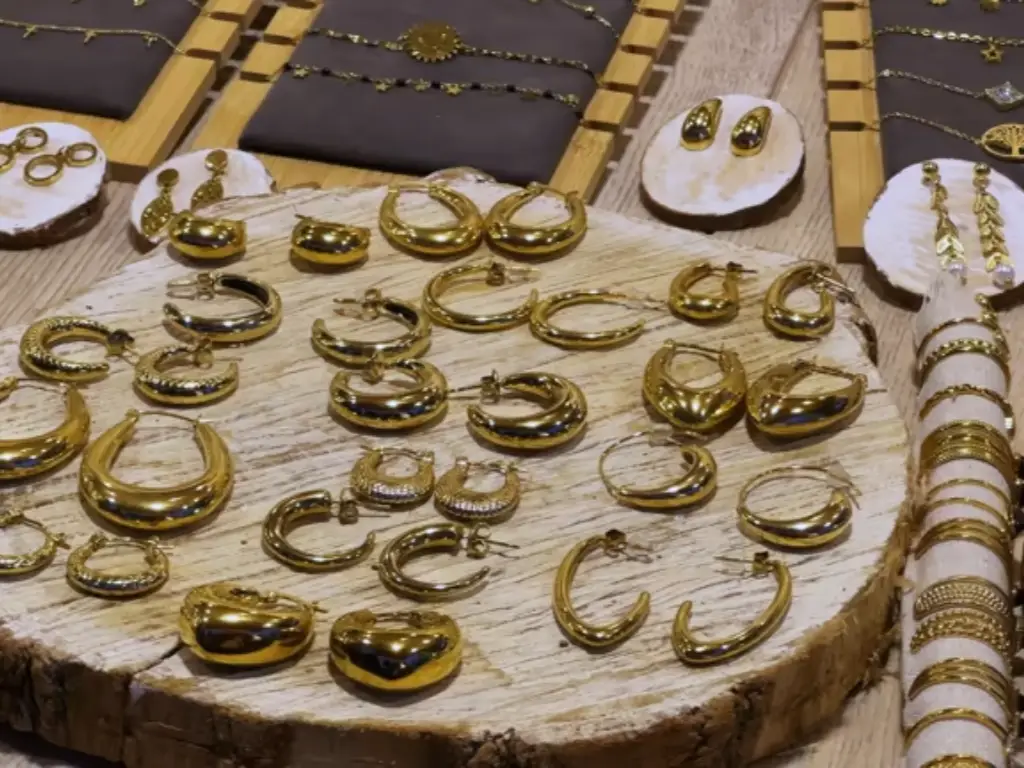
How Long Does PVD Jewelry Actually Last?
A quality PVD piece, worn daily, should maintain its color and finish for 2 to 5 years. Premium applications, particularly those with a TiN (titanium nitride) intermediate layer, can reach up to 10 years with proper care.
The durability comes from a layered defense system. A 316L stainless steel core resists corrosion from within. A TiN hard coat (Mohs hardness 8–9, comparable to sapphire) acts as the armor layer. And the PVD gold or color layer provides the aesthetic surface. Think of it like a car: rust-proof chassis, reinforced frame, beautiful paint job. Each layer has a job, and together they’re formidable.
Consumer testing backs this up. In one documented long-term wear test, a reviewer wore a PVD ring continuously for over three months through showers, hand sanitizer exposure, workouts, and even an accidental trip through the washing machine. The color showed no visible fading.
What Affects PVD Durability the Most?
Four factors determine how long your PVD jewelry will really last:
- Coating thickness matters, but not in the way you think. PVD layers are measured in microns (typically 0.3–3 microns for decorative applications). While a thicker coating provides more material to wear through, the quality of the atomic bond matters more than the absolute thickness. A well-bonded 0.5-micron PVD layer will outlast a poorly bonded 2-micron one.
- Base material is non-negotiable. PVD works best on stainless steel. Attempts to PVD-coat brass or copper often fail because thermal expansion mismatches create micro-cracks in the coating over time. If you see “PVD gold” on a brass base, temper your durability expectations.
- Chemical exposure accelerates wear. PVD resists most everyday chemicals, but it’s not chemically inert. Perfume (ethanol), sweat (sodium chloride), and chlorinated water can combine to create micro-corrosion at any microscopic defect in the coating. The risk is low but real. This is why even high-end PVD eventually shows age.
- Mechanical abrasion is the real enemy. PVD resists daily friction beautifully, but hard impacts and abrasive contact can scratch through even the hardest TiN layer. Keys in the same pocket or rubbing against diamond jewelry will leave marks. PVD is scratch-resistant, not scratch-proof.
Can You Really Shower, Swim, and Work Out in PVD Jewelry?
The short answer is mostly yes. And that’s what makes PVD different.
- Showering: ✅ Safe. Water alone won’t harm PVD. Minimize prolonged contact with heavily fragranced body washes, but don’t overthink it.
- Swimming pool: ⚠️ Proceed with caution. Chlorine can slowly attack the TiN intermediate layer. Occasional pool visits are fine; daily lap swimming in PVD jewelry will shorten its lifespan.
- Ocean / saltwater: ✅ Generally safe. Rinse with fresh water afterward as a precaution.
- Gym / workout: ✅ Safe. Sweat won’t harm the coating. Just avoid letting dumbbells or machine handles repeatedly rub against rings or bracelets at pressure points.
- Sleeping: ✅ Completely fine.
PVD earns its “never take it off” reputation, but treat it with the same common sense you’d apply to any object you want to keep looking good.
04 · Is PVD Jewelry Safe for Sensitive Skin?
If you’ve ever worn a pair of earrings that left your lobes red, itchy, and swollen within hours, you know the nickel allergy struggle. And you’re far from alone. Approximately 15% of women and 2–3% of men have a nickel sensitivity, making it the single most common contact allergen worldwide (Thyssen & Menné, 2010).
PVD jewelry is one of the safest choices for sensitive skin because it works as a double-barrier system. The base is 316L stainless steel, which already contains a passive chromium oxide layer that seals in most of its nickel content (10–12% by composition). On top of that, the PVD coating itself forms a completely nickel-free seal over the entire surface. The nickel literally cannot reach your skin.
This stands in stark contrast to standard electroplated jewelry. With electroplated pieces, the gold layer is thin, porous, and prone to wear. Within weeks or months, micro-abrasions expose the nickel-containing brass or alloy base beneath, and that’s when the reaction starts. With PVD, the coating has to be physically gouged through before any base metal contact occurs. That’s a much higher bar.
A note of caution: “hypoallergenic” is not a legally regulated term in most countries. The EU’s REACH regulation sets a clear standard: nickel release must stay below 0.5 μg/cm²/week for prolonged skin contact. But not every “hypoallergenic” label means the piece has actually been tested to this threshold. When in doubt, look for brands that explicitly cite REACH compliance or independent lab testing rather than relying on the word alone.
05 · How to Identify Quality PVD Jewelry Before You Buy
Not all PVD jewelry is created equal. The difference between a piece that looks pristine after three years and one that fades in six months often comes down to factors you can vet before clicking “add to cart.” Good PVD jewelry equals the right base material plus quality manufacturing plus a transparent brand. Here’s how to check all three.
Key Quality Indicators to Look For
1. Base material: insist on 316L stainless steel.
This is the single most important quality signal. 316L contains molybdenum (2–3%), which gives it superior corrosion resistance over 304 stainless or generic “alloy steel.” If a product listing says only “stainless steel” without specifying the grade, assume it’s a lower tier. The best manufacturers state “316L” explicitly. They’re proud of it.
2. Color uniformity: look before you buy.
Quality PVD produces a consistent, even color across the entire piece. Examine close-up product photos, not just the styled shots. Look for uneven shading between chain links, darker spots around clasps or edges, and color that looks “painted on” rather than integrated. These are signs of rushed or low-temperature PVD application.
3. Brand transparency: certifications and warranty are tell-all signals.
Reputable PVD jewelry manufacturers invest in third-party verification. SGS, BSCI, REACH, and RoHS certifications indicate the factory has passed independent quality and safety audits. Perhaps more telling is the warranty. A brand offering a 1–2 year plating warranty is standing behind their PVD process. Brands that don’t mention warranty duration are usually hoping you won’t ask.
4. Price sanity check: PVD shouldn’t be suspiciously cheap.
PVD equipment is expensive. The process requires vacuum chambers, plasma generation, and skilled operators. A “PVD gold necklace” priced at $8 is almost certainly not real PVD. It’s likely standard electroplating with a creative product title. Expect to pay $20–60 for genuine PVD fashion pieces, and more for complex designs or thicker coatings.
Red Flags That Signal Low-Quality PVD
Watch for these warning signs when shopping:
- Vague material language: “gold PVD finish” without specifying the base metal. What’s underneath?
- No warranty or return policy: Legitimate PVD manufacturers stand behind their work.
- “PVD look” or “PVD color”: If the language hedges, the process probably does too. This phrasing often signals electroplating dressed up in PVD marketing.
- Photos that look computer-rendered: If every image is a glossy 3D render with no real-life photos, you can’t judge the actual finish quality.
- Price dramatically below market: If it’s 70% cheaper than comparable PVD pieces from established brands, there’s a reason.
PVD is just one step in the full manufacturing process. To see how pieces are engineered from raw metal to final polish, explore our complete guide on how stainless steel jewelry is made.
If a brand won’t tell you what’s under the gold, treat it like a restaurant that won’t tell you what’s in the sauce. And move on.
06 · How to Care for Your PVD Jewelry
One of PVD’s best selling points is how little maintenance it actually needs. Caring for PVD is simpler than caring for solid silver (no polishing cloths, no anti-tarnish strips) and infinitely easier than maintaining electroplated pieces with their “never get it wet” anxiety.
Do:
- Rinse with lukewarm water and pat dry with a microfiber cloth when the piece feels dirty
- Store pieces separately: a soft pouch or individual compartment prevents pieces from scratching each other
- Check clasps and connections every few months; the coating protects the surface, but mechanical parts can still loosen
- Wear it. PVD actually benefits from the mild friction of regular wear, which helps maintain an even surface sheen
Don’t:
- Use ultrasonic cleaners. The cavitation effect can exploit microscopic coating defects and cause peeling at the edges
- Apply chemical jewelry cleaners, bleach, or acetone. Stick to water and mild soap
- Store PVD pieces rubbing against diamond or gemstone jewelry. Diamonds are harder than the TiN layer and will scratch it
- Soak in hot springs or sulfur-rich thermal water. Sulfur compounds react with gold at the molecular level, PVD or not
That’s it. No elaborate rituals, no special products. The low-maintenance reality of PVD is arguably its most underrated advantage over every other non-solid-gold option on the market.
If you’re a brand or designer sourcing PVD jewelry for your own collection, look for manufacturers who offer verifiable certifications (SGS, REACH, BSCI), a 1–2 year plating warranty, and deep production capability. Azone, for example, brings 22 years of PVD-focused manufacturing with over 40,000 ODM designs and a dedicated vacuum plating workshop. Learn more about PVD jewelry manufacturing to explore what’s possible for your line.
References
- Thyssen, J.P. & Menné, T. “Metal Allergy — A Review on Exposures, Penetration, Genetics, Prevalence, and Clinical Implications.” Chemical Research in Toxicology, 2010. https://pubmed.ncbi.nlm.nih.gov/19831422/
- European Chemicals Agency. “REACH Regulation — Annex XVII: Restrictions on nickel and its compounds.” https://echa.europa.eu/
- Matthews, A. & Holmberg, K. Coatings Tribology. Elsevier, 2009. Research profile: https://research.manchester.ac.uk/en/persons/allan.matthews
- Azone Jewelry — PVD Stainless Steel Jewelry Manufacturer. https://azonejewelry.com/
- Azone Jewelry — Contact. https://azonejewelry.com/wholesale-jewelry-contact/


 English
  Spanish
  French
  German